A-Level选校 大学 学院 音乐学院 课程类型
选校讨论常常从排名开始,可英国的高等教育机构本身就分几类,路径完全不同。大学、学院与音乐学院在课程结构、申请通道与入学要求上都不是一回事。这篇文章把三类机构的差别拆开讲。后面还给出一套可以照着做的筛选顺序。
Most conversations about choosing a school start with rankings, yet British higher education is split into institution types that lead to very different degrees. Universities, colleges and conservatoires differ in course structure, application route and entry requirements. This piece separates the three and ends with a screening routine you can run over one weekend.
三种机构的法律身份 / Three Types of Provider
英国的高等教育机构不是一个统一的类别。大学自己有权授予学位,课程以学术与研究为主。学院多数是继续教育学院,开 A-Level、BTEC 与部分本科课程,本科段的学位往往由合作大学颁发。音乐学院以表演训练为核心,规模通常只有几百人。看 UCAS 课程页时,provider 那一栏写的名字决定了你毕业证的抬头。很多学生以为名字里有 university 就一定是研究型,其实不少现代大学以教学为主。OfS 官网的注册机构名单把 provider 分了类,查一次比猜十次快。招生规模、班级形式与考核方式都跟着这个身份走,选错类型,后面两年都在补差距。音乐学院与大学音乐系的名字很像,provider 一栏却完全不同。
British higher education is not one single category of institution. Universities award their own degrees and lean towards academic study and research, while colleges are mostly further education providers teaching A-Levels, BTECs and some degree courses, with the degree often validated by a partner university. Conservatoires are small performance-led institutions where the whole cohort is usually measured in hundreds. The provider name on a UCAS course page is what ends up on your certificate, so read it before you fall for a course title.
College 的两个含义 / What College Means
在英国说 college,可能指两件完全不同的事。牛津与剑桥的 college 是大学内部的住宿与导师单位,学生既属于 college 也属于 faculty。其他地方的 college 多是独立的继续教育学院,读的是 A-Level、预科或职业课程。国际学生看校名时最容易在这里出错。很多学生以为拿到某个剑桥 college 的录取就是那所学院的文凭,其实学位由大学授予。判断方法很简单,看 UCAS 上 provider 写的是 university 还是 college。名字里带 college 的机构也可能是音乐学院,Leeds Conservatoire 就是一个例子。继续教育学院的班级通常更大,师生关系与大学也不一样。校名里带 college 的机构在英国有上百所,逐个查并不现实。
In Britain the word college carries two meanings that have nothing to do with each other. At Oxford and Cambridge a college is an internal unit handling accommodation and small-group teaching, and every student also belongs to a faculty or department, whereas elsewhere a college is usually a standalone further education institution teaching A-Levels, foundation courses or vocational qualifications. International applicants mix these up constantly, and the confusion is expensive because the certificate comes from the awarding body rather than the college. The provider field on UCAS settles the question faster than any prospectus.
音乐学院的周课表 / Inside a Conservatoire Week
音乐学院的课表围绕练习安排。每个学生有一位 principal study 导师,每周一到两次一对一专业课。专业课之外是 studio class、masterclass、合奏与合唱排练,以及音乐理论与听觉训练。练习时间不是课余活动,而是排进日程的部分。学生一天里大部分时间都在琴房。很多学生以为进了音乐学院就只练琴,其实理论、历史与 professional studies 都要交作业。选校时先看导师名单,比看排名有用。有些学校把伴奏课与教学法课设为必修,选课前值得确认。琴房数量与开放时间也影响每天的练习安排,Open Day 可以去看。
A conservatoire timetable is built around practice rather than around lectures. Each student is assigned a principal study teacher and gets one or two one-to-one lessons a week, with studio classes, masterclasses, ensemble rehearsals and aural training filling the rest of the schedule. Practice hours are timetabled instead of being left to spare time, and students spend the bulk of the day in a practice room. Theory, history and professional studies still carry written work, which surprises applicants who assumed the course was performance only. Look at the teaching staff before you look at any ranking.
大学音乐系的模块结构 / Modules in a University Music Department
大学音乐系的课表更像人文科目。核心是音乐史、分析、民族音乐学、作曲与音乐技术,表演只是其中一个模块。一周里主要是 lecture 与 seminar,tutorial 用来讨论论文。orchestra 与 chapel choir 有,但都在评估课程之外。想走演奏路线的学生在这里常觉得练习时间不够。想走研究、教育或音乐产业的学生反而更合适。常见的错误是只看学校名气,不看模块表里表演占多少学分。论文与听力考试的比重大,写作弱的学生第一学期会比较吃力。系里通常允许把表演模块换成作曲或技术模块,规则看手册。
A university music department looks much more like a humanities subject. History, analysis, ethnomusicology, composition and music technology form the core, with performance as one module among several, and the week runs on lectures, seminars and tutorials rather than on practice rooms. Orchestras and chapel choirs exist, but they sit outside the assessed curriculum. Applicants aiming at a performing career often find the practice time too thin, while those heading for research, education or the music industry fit the structure well. Choosing by reputation without checking how many credits performance carries is the usual mistake.
两个申请通道与 10 月 1 日 / Two Application Routes
本科申请有两条通道。UCAS 主轮覆盖绝大多数大学课程,音乐学院走 UCAS Conservatoires,是单独的申请表与单独的截止日期。音乐类课程多数在 10 月 1 日截止,比主轮早三个多月,UCAS 官网的 conservatoires 页面写得很清楚。两条通道可以一起用,互不影响。音乐学院的申请表要填 audition 地点与曲目,还要一份 reference。很多学生以为晚几天补交材料没关系,实际上 10 月一过就没有试奏位置了。主轮的截止日期在一月中旬,两个日期放在同一个日历里才不会混。音乐学院的申请要选试奏城市,海外考点名额有限,早交更稳。
There are two application routes and they do not overlap. Most university courses go through the main UCAS scheme, while conservatoires use UCAS Conservatoires, a separate form with separate deadlines and a separate reference. Music courses at conservatoires mostly close on 1 October, roughly three months before the main January deadline, and the UCAS Conservatoires pages set this out plainly. You can apply through both routes at once without either application affecting the other, though a late conservatoire form usually means no audition slot.
考级证书与 UCAS Tariff / Graded Exams and the Tariff
ABRSM 与 Trinity 的器乐考级不进入 UCAS Tariff。这是 UCAS 官网明确写的,八级证书代表能力,不折算成分数。申请材料里它证明的是你练到了什么程度,不是你的学术成绩。多数大学音乐系要求 A-Level Music,部分学校接受八级理论或演奏替代,具体写在 provider 的 entry requirements 里。音乐学院的学术门槛通常低一些,对演奏水平的要求高得多。常见的错误是把八级当成万能通行证。乐理八级在部分学校能抵一个入学条件,但不等于 A-Level 的分数。申请前把目标学校的 entry requirements 打印出来逐条对照。
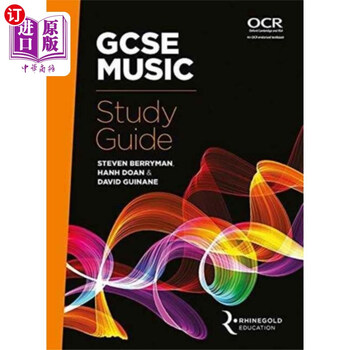
Graded music exams from ABRSM and Trinity do not appear in the UCAS Tariff, and UCAS states this directly: a Grade 8 certificate shows what you can play, not a points score. In an application it evidences the standard reached, while your A-Level grades carry the academic weight. Most university music departments ask for A-Level Music, and some accept Grade 8 theory or practical in place of it, which is spelled out in each provider's entry requirements. Conservatoires tend to set a lower academic bar and a much higher playing bar, so the two routes reward different profiles.
试奏与面试的实际流程 / Auditions and Interviews
音乐学院面试通常要求两首风格对比的曲目。考官听的是控制、音准与音乐判断,不只是技术难度。视奏与听觉测试常在复试出现,形式各校不同。面试会问你为什么选这首、最近在听什么。很多学生以为选最难的曲子能加分,其实弹得干净的中等曲目更容易留下印象。Royal Academy 与 Royal College 的流程分初试与复试,具体日期以学校官网为准。曲目单要在申请时就定下来,临时换曲在复试里很常见也很吃亏。伴奏通常由学校提供,提前一周把谱子寄过去是常规做法。
Conservatoire auditions usually ask for two contrasting pieces. Panels listen for control, intonation and musical judgement rather than for the hardest repertoire available, and sight-reading plus aural tests often appear at the recall stage in formats that vary by institution. The interview tends to circle back to why you chose that programme and what you have been listening to lately. Many applicants assume the most difficult piece earns credit, yet a clean, well-shaped moderate programme usually leaves a stronger impression.
2026/27 学费与生活费 / Fees and Living Costs
2026/27 学年英格兰本科课程的学费上限是 9,790 英镑。这个数字来自教育部 2025 年 11 月的公告,新生与续读学生同样适用。生活费贷款按地区分档,伦敦以外是 10,830 英镑,伦敦是 14,135 英镑,gov.uk 的学生财务页面有完整表格。音乐专业另有一笔额外开销,乐谱、伴奏费、乐器维护都不在学费里。伦敦的几所音乐学院生活成本明显更高。很多学生以为音乐学院学费更贵,其实受同一上限约束的课程按同一标准收费。住宿按伦敦内外差价明显,通勤时间也要算进每天的成本。奖学金各校单独设,音乐学院的名额少,申请截止往往早于入学一年。
For 2026/27 the tuition fee cap for undergraduate courses in England is 9,790 pounds, announced by the Department for Education in November 2025 and applied to new and continuing students alike. Maintenance loans are banded by location, at 10,830 pounds outside London and 14,135 pounds in London, with full tables on the gov.uk student finance pages. Music adds costs the fee does not cover, including sheet music, accompanist fees and instrument maintenance. Many families assume conservatoire fees are higher, but designated courses sit under the same cap.
学院路线的衔接课程 / College Route Courses
没有 A-Level Music 的学生也有别的入口。Access to HE Diploma 是一年制课程,为 19 岁以上学生设计,完成后可以申请本科。Foundation Year 多设在大学内部,读完进入本校大一。HND 与 foundation degree 是两年制职业导向课程,部分可以续读本科最后一年。这些路径在 UCAS 官网都能按条件筛选。很多学生以为只有 A-Level 一条路,其实年龄与背景不同,入口也不同。Access 课程的成绩按 Distinction、Merit、Pass 评定,大学会看具体档位。预科这一年不算在三年学制里,学费与生活费要单独准备。
Students without A-Level Music still have entry points. An Access to HE Diploma is a one-year course designed for learners aged 19 and over, and it leads into undergraduate applications, while a foundation year usually sits inside a university and feeds directly into year one. HNDs and foundation degrees run for two years with a vocational focus and sometimes allow entry to the final year of a degree. Age and prior qualifications decide which door opens, not a single fixed ladder.
联合学位与双主修 / Joint Honours Degrees
联合学位让音乐与另一门科目并列成为主修。常见组合是音乐与数学、音乐与现代语言、音乐与戏剧。这类课程适合想保留第二兴趣或走音乐产业的学生。音乐学院很少提供联合学位,课程表几乎被表演占满。选之前先看模块比例,有些 joint honours 前两年是五五开,第三年偏向一边。常见的错误是只看课程名字,没看每年实际的学分分配。联合学位的个人陈述要照顾两个科目,篇幅分配很容易失衡。有些组合在第二年才能选,申请时只看得到大框架。
Joint honours degrees let music sit alongside another subject as a full partner. Common pairings include music with mathematics, music with a modern language and music with drama, and they suit students who want to keep a second interest alive or move towards the music industry. Conservatoires rarely offer joint honours because the timetable is already full of performance. Check the credit split before applying, since some programmes run fifty-fifty for two years and then tilt towards one side.
转学的成本 / The Cost of Transferring
从大学音乐系转到音乐学院,通常要重新 audition,已修的表演学分不一定被承认。反方向也一样,音乐学院的专业课很难换成大学的模块学分。转学一般从大一或大二开始,中间可能多读一年。费用与住宿合同都要重新安排。很多学生以为转学只是换学校,其实换的是课程结构。决定之前先给两边 registry 发邮件确认学分政策。学分认定的邮件要留档,口头承诺在注册处那里不算数。转学窗口通常只在学年开始前开放,错过就要再等一年。
Moving from a university music department to a conservatoire normally means a fresh audition, and performance credits already earned are not automatically recognised. The reverse transfer runs into the same problem, because one-to-one principal study does not map neatly onto university modules. Transfers usually restart in year one or year two, which can add a year, and both fees and accommodation contracts have to be rearranged. Emailing the registry at both institutions about credit policy costs nothing and settles most of the uncertainty.
用三天筛出机构类型 / A Three-Day Screening Routine
筛机构可以很具体。第一天在 UCAS 上按 subject 与 provider type 过滤,把候选缩到十所以内。第二天打开每所学校的模块表,数一数表演与论文各占多少学分。第三天看 audition 要求与截止日期,把 10 月 1 日那批单独列出来。做完这三步,机构类型基本清楚了。很多学生以为选校是排名游戏,其实是把自己每天要做的功课对上。排名每年变,课表四年不变。把候选学校的 audition 日期写进同一张表,冲突会立刻显出来。看完一圈还犹豫,就回到课表,看哪一种日子你愿意过四年。
Screening providers can be done in three sittings. Start on UCAS by filtering on subject and provider type until the list is under ten, then open each module map and count how credits divide between performance and written work, and finally list audition requirements with the 1 October conservatoire group kept separate. By that point the institution type question has usually answered itself. Rankings change every year while a timetable stays the same for the length of the degree.
学而思学习机X5Pro经典培优【256G内存翻倍 享两年只换不修】小初高全学科 焕新升级12.6英寸6+256GB¥3999.0📱 去京东购买京东精选更多咨询请联系16621398022(同微信)
需要一对一辅导?Need One-on-One Tutoring?
16621398022(同微信)
关注公众号 tutorhao 获取更多学习资源
Visit aleveler.com

或截图后用「扫一扫 → 相册」选择本图