学术竞赛 UKMT BPhO 化学 生物 本科申请
每年十月到次年三月,英国几项主要的学科竞赛挤在几个月里开考,学生一边赶 A-Level 进度,一边要决定报哪一项。很多人把竞赛当成申请材料里的加分项,实际上英国本科录取里没有这样一张加分表。竞赛真正起作用的地方,是它给出了可核实的具体内容:你读过什么、在超出考纲的地方走到哪一步。这篇文章把数学、物理、化学、生物与论文五条线路的入门选择讲清楚,也讲清楚哪些投入并不值得。读完你至少能判断,自己现在该报哪一项、什么时候报。
Between October and March the main UK subject competitions fall into a short window, and most students have to choose while their A-Level courses are still moving. Competitions are often described as a bonus on the application, yet no UK university publishes a points table for them; what they supply is concrete and checkable material about reading and problem-solving beyond the syllabus. This article sets out the entry points on five routes, together with the investments that rarely pay back.
竞赛在申请材料里的位置 / Where Competitions Appear
UCAS 2026 年入学的个人陈述已经改版,原来的长文换成三个固定问题。第三个问题问的是课堂之外你做了哪些准备,竞赛正好落在这一栏。这一栏篇幅有限,只写参加了某某竞赛几乎没有信息量。招生官想看到的是具体内容:哪一类题、卡在哪一步、后来怎么补上。竞赛在这里的作用接近一条证据,不是一个标签。很多学生以为写上奖项名称就够了,其实描述过程的那两句话更值钱。写不出过程的经历,通常也撑不起面试里的追问。
The personal statement changed for 2026 entry, replacing the single essay with three fixed questions. The third asks what you have done outside your education, which is where competition work belongs; it is also the answer most applicants write in the vaguest terms. Naming an award tells a tutor almost nothing, while two sentences about a specific problem and the dead end you hit say far more. An experience you cannot describe in process terms usually collapses under interview questioning.
没有加分表:录取到底看什么 / No Points Table
英国本科录取没有竞赛加分制度,这一点和不少国家的评价方式差别很大。剑桥大学官网列出的筛选环节是入学笔试与面试,竞赛成绩不作为单独一项计分。牛津与帝国理工的理科专业同样把笔试放在前面。竞赛能起到的作用,是在成绩相近时提供学科兴趣的证据。它证明你愿意在没有人要求的情况下多做一点。这个证据的说服力取决于细节,不取决于奖牌等级。奖项写进材料只是开头,面试官追问的是题目本身。
No UK admissions system converts a competition result into points, which is the first thing applicants from other systems get wrong. Cambridge lists admissions tests and interviews as its selection stages, and a competition result is not scored as a separate item; science courses at Oxford and Imperial place similar weight on the written paper. What a competition can do is supply evidence of subject interest when grades are close, showing that you worked beyond what was asked. The strength of that evidence sits in the detail rather than in the medal.
数学:UKMT 的阶梯 / Mathematics: The UKMT Ladder
英国数学协会 UKMT 的竞赛是一条按年级分卷的阶梯。高级数学挑战赛 SMC 通常在十月举行,成绩靠前的一批会被邀请进入十一月的英国数学奥林匹克第一轮 BMO1。再往上是需要完整书写证明的解答题。这条路线的门槛在英国竞赛里算低的,学校统一报名,个人也能通过指定考试中心报名。SMC 的题不超纲太多,但时间压力大,二十五道题要在九十分钟内做完。常见的错误是把它当成普通测验,从头按顺序做,最后几道高分题没时间看。
UKMT runs a ladder of papers organised by year group, with the Senior Mathematical Challenge in October and invitations to the first round of the British Mathematical Olympiad in November. Later rounds drop multiple choice entirely and demand written proof, a different skill from picking an option under time pressure; the senior paper itself gives 25 questions in 90 minutes. Entry is cheap by UK standards, arranged through schools or an approved centre. Many students treat it as an ordinary test and work from question one, which is why the high-tariff items at the end go unread.
物理:BPhO 的两条线 / Physics: The BPhO Papers
物理方向的主要入口是英国物理奥林匹克 BPhO,由牛津大学物理系组织。第一轮在十一月,题目长度和计算量都超过 A-Level 卷面,部分小题需要用到 A-Level 数学里的微积分。低年级学生可以先参加面向十二年级的 AS 挑战赛,难度更贴近课程进度。BPhO 的评分看重思路的完整,写出关键式子往往就有分,算错最后一步不至于全丢。这一点和 A-Level 物理的 mark scheme 逻辑接近,练过的人回到卷面上更愿意写步骤。第一次参加控制在两道大题的量,做完再谈速度。
The main physics entry point is the British Physics Olympiad, organised by the Department of Physics at Oxford. Round 1 falls in November and runs longer and heavier than an A-Level paper, with some parts needing calculus from A-Level maths; younger students can start on the AS challenge, which tracks the syllabus more closely. Marking rewards a complete line of reasoning, so a correct equation usually earns credit even when the final number is wrong. Students who have practised that habit tend to show more working in their ordinary papers.
化学与生物:学会办的竞赛 / Chemistry and Biology
化学与生物方向的竞赛由学会主办,路径比数学和物理简单。英国皇家化学学会的化学奥林匹克第一轮在一月,题目以长题干和陌生情境为主,考的是把课内原理迁移到没见过的体系。剑桥化学挑战赛 C3L6 在六月,面向十二年级,难度介于 A-Level 与奥赛之间,适合作为第一次尝试。生物方向是英国生物奥林匹克,由皇家生物学会组织,通常在年初。生物题的信息量大,阅读速度往往比知识储备更早成为瓶颈。做题时先划出条件和要求,比硬背术语管用。
Chemistry and biology competitions come from the learned societies, and the route in is simpler than for maths or physics. The Royal Society of Chemistry runs the first round of the UK Chemistry Olympiad in January, built on long contexts that require transferring familiar principles into unfamiliar systems; the Cambridge Chemistry Challenge in June sits between A-Level and olympiad level and works well as a first attempt. Biology is handled by the Royal Society of Biology early in the year, where reading speed tends to become the limiting factor before subject knowledge does.
论文类竞赛:人文社科的主场 / Essay Competitions
人文社科方向的学生更适合论文类竞赛,而不是奥赛。经济、历史、哲学、法律这些学科的竞赛通常给一个开放题目,要求两千字左右的论证。评判看的是论点是否站得住、有没有读原始材料、反驳是否认真处理。写作周期长,从定题到定稿常要六到八周。找一位老师或高年级学生读两遍稿子,比自己改五遍有效。这类竞赛的结果不确定性大,但它留下的稿子可以反复用在申请材料里。选题时避开自己只读过二手介绍的领域。
Students heading for humanities and social sciences are better served by essay competitions than by olympiads. Economics, history, philosophy and law prizes usually set an open question and ask for roughly two thousand words of argument, judged on whether the thesis holds, whether primary material was read, and whether counter-arguments were taken seriously. The writing cycle runs six to eight weeks from choosing a question to a final draft, and one careful outside reader is worth five solitary revisions. Results are unpredictable, but the essay itself keeps its value in later applications.
入门选择:先看课程进度 / Choosing an Entry Point
第一次参加竞赛,选择标准应该简单。先看主办方是不是大学或正式学会,再看有没有公开的历年真题,最后看是否按年级分卷。三个条件都满足的项目,准备成本最低,信息也最透明。常见的错误是先报名再找资料,结果发现题目范围远超当前进度。另一个信号是报名渠道,需要通过学校或考试中心统一报名的项目,通常组织更规范。宣传里只讲奖项、不给真题的竞赛,值得多问一句。主办方写不清的项目,直接跳过。
For a first competition the selection rules can stay simple: check that the organiser is a university or a recognised society, that past papers are published, and that papers are banded by year group. Projects meeting all three are the cheapest to prepare for and the easiest to judge; the usual mistake is signing up first and discovering afterwards that the assumed syllabus is far ahead of your own. Entry arrangements are another signal, since competitions run through schools or approved centres tend to be better organised. Where the publicity lists prizes but never shows a paper, ask what the paper actually contains.
拿不到奖也能写的内容 / Working Without a Medal
拿不到奖并不等于这段经历没用。申请材料里能写的东西包括你读过的一本书、一道想了三天的题、一次失败的尝试和后来的修正。这些内容在面试里比奖项名称更能撑住十分钟的对话。很多学生以为只有名次才值得写,实际上招生官更关心你能不能把一件事讲清楚。记录习惯在这里很关键,考完当天写下三道最难的题和自己的思路,半年后写材料时就不用靠回忆。笔记写得越具体,面试时越轻松。
A missing medal does not make the work worthless. What can be written up includes a book you read because of a problem, a question that took three days, and a wrong approach you later repaired; in an interview that material sustains ten minutes of conversation in a way a certificate cannot. The habit that matters is recording, so note three hard questions and your reasoning on the day of the paper and the writing later becomes transcription rather than memory.
时间成本与投入产出 / Time Cost and Return
时间成本要提前算清楚。一项竞赛的认真准备大约是每周三到四小时,持续两到三个月,期间还要维持 A-Level 的正常进度。同时报三项的结果通常是三项都只做了一半。十二年级秋季是最挤的时候,课内作业、预估分、竞赛和申请文书撞在同一段时间。可行的做法是每个学年只保留一项主竞赛,其余当作练手。竞赛准备和课内复习有重叠的部分,数学与物理尤其明显,这部分时间可以算作一份。
Time cost deserves an honest estimate before signing up. Serious preparation for one competition runs three to four hours a week for two or three months, on top of normal A-Level work, and entering three at once usually means doing all three badly. The autumn of Year 12 is the tightest stretch, when coursework, predicted grades, competitions and application drafts collide; keeping one main competition per year and treating the rest as practice is the arrangement that survives. Maths and physics overlap enough with revision that part of the hours counts twice.
竞赛与卷面成绩的关系 / Back to the Exam Paper
竞赛训练对卷面成绩的帮助是间接的。竞赛题比 A-Level 难,练的是在陌生情境里找模型的能力,而卷面考的是标准流程的准确度。用竞赛题代替 past papers 是常见的错误,考试局的 mark scheme 对步骤和表述有固定要求,这些只能从真题里学。比较合理的配比是把竞赛准备放在学期中段,考前六周切回真题。这样两边都不至于荒废,也不会在最后阶段打乱节奏。竞赛题做多了,回到卷面上审题会更快。
Competition practice helps exam performance indirectly. The papers are harder than A-Level and train model-building in unfamiliar settings, while the exam rewards accuracy inside standard procedures; substituting olympiad questions for past papers is a familiar mistake, because mark schemes have fixed expectations about working and wording that only past papers teach. A workable arrangement puts competition preparation in the middle of term and switches back to past papers six weeks before the exam.
常见误区 / Common Mistakes
报名不等于经历,这是最常见的一种误解。只交报名费、没有做过一套完整真题的学生,在面试里往往一句话就露底。堆数量是第二个问题,五项竞赛各拿一个参与证明,不如一项做到能讲清楚。把竞赛当补课也不合适,竞赛题不覆盖考纲,缺的知识点还是要在课内补。忽略报名截止时间是第四个常见失误,很多项目的报名在考试前两个月就关了。学校不组织的时候,个人报名要自己盯日期。报名前先确认考点和考试形式,线上与纸笔的准备方式不同。
Paying the entry fee is not the same as having the experience, and an interviewer can usually tell within one question. Stacking five competitions with five participation certificates is weaker than one attempt you can explain properly; treating a competition as tutoring also misfires, since the papers do not follow the syllabus and gaps still have to be filled in class. Deadlines catch people out because entries often close two months before the paper, and where the school does not organise entry, the dates are yours to track.
一条可执行的时间线 / A Timeline That Fits
按学年排一条可执行的时间线并不复杂。十一年级下学期确定一到两个学科方向,暑假读完一本相关的课外书。十二年级九月到十月参加 SMC 或开始写论文,十一月是 BPhO 第一轮,一月是化学与生物竞赛,六月可以试 C3L6。十三年级只保留一项,用来准备面试和文书,不再开新的战线。这条线的好处是每一项都有前置准备,不会出现报名后临时抱佛脚的情况。方向变了也没关系,砍掉后面的项目比硬撑更划算。
A workable timeline is not complicated. Choose one or two subject directions in the spring of Year 11 and read one related book over the summer; in Year 12, take the Senior Mathematical Challenge or start an essay in September and October, sit the physics round in November, the chemistry and biology papers in January, and try the Cambridge Chemistry Challenge in June. Year 13 keeps a single competition for interview and statement material rather than opening a new front. Every item then has preparation behind it instead of a scramble after entry.
学习建议 / Study Tips
给正在犹豫的学生几条具体建议。先确定学科方向,再挑竞赛,顺序反了会浪费一整个学期。第一次参加选难度中等的项目,把完整流程走一遍,包括报名、备考、考后复盘。真题至少做两套,掐时间做,做完对照评分标准自己批。考后一周内把错题和思路写成笔记,这份笔记后面写文书和准备面试都用得上。学校没有组织的时候,去主办方官网查考试中心名单,不要通过第三方代报。时间紧的学期,宁可少报一项,也别两项都做成半成品。
A few practical notes for students still deciding. Fix the subject direction before choosing a competition, since the reverse order wastes a term; start with a mid-difficulty paper to learn the whole cycle, from entry through preparation to a written review. Two full past papers under timed conditions, marked against the published scheme, teach more than a dozen half-finished questions. Write up the wrong answers within a week, because that note feeds both the statement and the interview, and where the school does not enter candidates, check the official centre list rather than paying an agent.
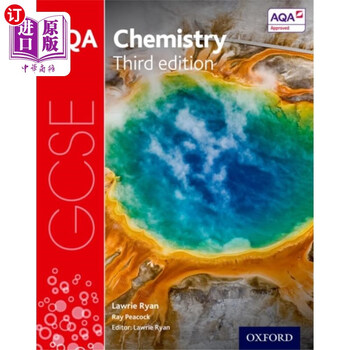
海外直订AQA GCSE Chemistry Student Book AQA GCSE化学学生手册¥588.0📱 去京东购买京东精选
需要一对一辅导?Need One-on-One Tutoring?
16621398022同微信
竞赛备考、A-Level 同步辅导、文书修改
Visit aleveler.com
关注公众号 tutorhao 获取更多学习资源

或截图后用「扫一扫 → 相册」选择本图