夏校行前 行李清单 室友相处 推荐信
夏校录取通知到手,真正的准备工作才开始。行李怎么装、室友怎么相处、推荐信什么时候开口,这三件事决定三周课程的体验,也决定这段经历能不能在两年后写进申请材料。很多学生把注意力全放在选课上,到了宿舍才发现被子要自己买。下面按行前的时间顺序拆开讲,每一节都能当天动手。
The offer letter is the easy part. What follows, packing, shared rooms and the quiet business of asking for a reference, shapes how the three weeks actually feel and whether the experience is usable two years later in an application. Most students spend their preparation on course choice and discover on arrival that the bed has no duvet. The sections below follow the order in which these problems arrive.
签证与入境文件:ETA 与签证类型怎么分
英国从 2025 年起对免签国家旅客要求 ETA,也就是电子旅行授权,申请在 gov.uk 官网完成,费用和审批时间以官网当页写的为准。美国短期夏校分 B-1/B-2 与 F-1 两种口径,差别在于项目是否发 I-20,这个问题只有学校官网和国际学生办公室能给确定答案。护照有效期按多数项目要求留出六个月以上。很多学生以为签证批下来就万事大吉,其实入境时边境官员看的是护照、录取信、住宿确认三样摆在一起。把这三样打印成纸质版放进随身包,手机没电的时候它比截图管用。常见的错误是把所有文件都留在邮箱里,落地排队时网络还没连上。
Entry paperwork is where summer plans quietly fall apart, and the visa is rarely the culprit. The UK now expects an Electronic Travel Authorisation from visa-exempt visitors, applied for through the gov.uk site, while American programmes divide between B-1/B-2 and F-1 according to whether the school issues an I-20, a detail only the programme's own international office can settle. Keep the passport valid well past the course dates. Print the offer letter, insurance certificate and accommodation address, since a dead phone in the border queue is a weak argument, and leaving everything in an inbox is a mistake that shows up every summer.
行李:夏校房间不提供的东西
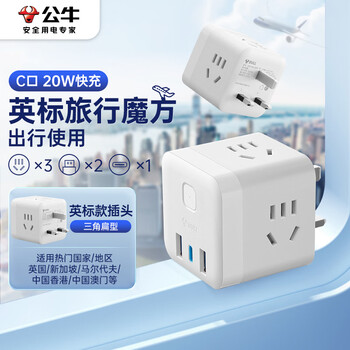
大部分英国寄宿学校的夏校房间只给一张床垫,被子、枕头、床单要自备或者到校购买,录取材料的住宿页通常有一行小字写明。很多学生以为宿舍配置和酒店差不多,第一晚只能裹着外套睡。转换插头按英标三孔准备两个,一个插电脑一个插手机,老楼的书桌下面往往只有一个插座。洗漱用品带一周的量就够,落地第二天去超市补齐更省行李重量。洗衣袋和四五个衣架看着不起眼,公共洗衣房排队的时候,它们是唯一能让你第二天穿上干净衬衫的东西。床边的小台灯和耳塞是提高睡眠质量的两件小物,室友作息不同时尤其明显。
British boarding houses usually supply a mattress and nothing else, which means duvet, pillow and sheets are either brought from home or bought on arrival; the accommodation page of the offer pack states this in a single line that everyone skips. Two UK three-pin adaptors cover a laptop and a phone, since older study bedrooms often have one socket under the desk. A week of toiletries is enough, with a supermarket trip on day two cheaper than paying for excess baggage. A laundry bag, four hangers and a small bedside lamp do more for the first week than a third pair of shoes.
二十三公斤的取舍:鞋与书先减
经济舱托运限额多在 23 公斤,两周到四周的夏校用不到一半。真正吃重量的是鞋和书,一双正装鞋加一双运动鞋基本到顶,教材等开学书单出来再买。重的东西穿在身上是老实的办法,外套口袋塞充电器和数据线。出门前在家称一次,机场柜台的超重费按公斤计价,比多带一件毛衣贵得多。常见的错误是带三套正装,实际只有结业展示那天需要。登机箱里放一套换洗衣物和常用药,行李延误时前两天不至于手忙脚乱。
Weight limits sit around 23 kg on most economy long-haul tickets, and a summer course of two to four weeks rarely needs half of it. Shoes and books are what actually consume the allowance; one pair of smart shoes plus trainers is the practical ceiling, and textbooks can wait until the reading list appears. Weigh the case at home, because airport excess charges are priced per kilo and climb faster than most families expect. Wearing the heavy coat and filling its pockets with chargers is an old trick that still works; leave three kilos spare for the return leg, which always weighs more.
药品与处方:原包装和英文说明
常用药带原包装和英文说明书,处方药附医生开的英文处方或者诊断说明。英国对含可待因、麻黄碱的药品有额外要求,具体条款以 gov.uk 官网的药品入境页面为准,出发前查一次。很多学生以为把药分装进小盒更省地方,海关和学校医务室都认不出药名,反而添麻烦。体温计、创可贴、止泻药、抗过敏药这四样到当地最先用上。学校医务室一般只处理轻症,夜间要看当地 NHS 的急诊流程,保险单上的紧急电话出发前存进手机。把药名和剂量用英文写在卡片上放进行李,需要时递给医生比现场翻译快。
Prescription medicine travels best in its original box with the pharmacy label intact, accompanied by a doctor's letter in English; UK rules add conditions for products containing codeine or pseudoephedrine, and the gov.uk medicine pages are the version to check before departure. Decanting pills into a weekly organiser looks efficient until a school nurse or customs officer cannot identify them. A thermometer, plasters, rehydration sachets and antihistamines cover most of what goes wrong in the first fortnight. School medical centres handle minor complaints, so save the insurance emergency number in the phone and know where the nearest NHS walk-in centre sits.
宿舍邮件:到达时间与门禁
拿到房间号之后给宿舍管理员发一封邮件,问清到达时间、门禁、能否提前入住、被子是否提供。邮件写清姓名、项目名称、到达航班号,三四行就够,不要写成自我介绍。很多学生以为发邮件显得麻烦别人,其实宿管每天处理几十封,写得清楚的人拿到最快回复。室友名单通常在出发前两周公布,看到名字先查对方的时区,别在凌晨两点发消息。提前问清钥匙领取地点和周末前台的值班时间,周日晚上到达的人最容易在门口等半小时。
Once the room number arrives, one short email to the housemaster settles arrival time, curfew, early check-in and whether bedding is supplied. Name, programme and flight number in three lines beat a paragraph of self-introduction, because accommodation staff answer dozens of these a day and reply fastest to the clearest. Roommate details usually appear a fortnight before departure, and checking the other person's time zone prevents a two in the morning message. Ask where keys are collected and whether the front desk is staffed at weekends; Sunday evening arrivals are the ones left standing outside.
室友相处:第一晚说清三件事
作息差异是宿舍矛盾的第一来源,第一晚就把关灯时间、闹钟、耳机使用说清楚,比忍两周再爆发省事得多。清洁分工写在纸上贴到门后,公共区域按周轮换,谁倒垃圾谁擦桌子写明白。贵重物品锁进行李箱,现金和护照不要摊在桌面。遇到真正的问题找宿管,宿管有权调房,同学没有这个权限,在群里抱怨只会让气氛更僵。很多学生以为忍一忍就过去了,三周的课程忍两周,剩下的时间都在生气。语言不顺的时候用手机翻译把规则说清楚,比含糊点头强。
Sleeping habits cause more friction than anything else in a shared room, so light-off time, alarms and headphone use are worth settling on the first night rather than the last. A cleaning rota taped to the door, with rubbish and surfaces rotating weekly, removes the guesswork. Lock valuables in the case and keep passports off the desk. Real problems go to the housemaster, who can move people between rooms, a power the corridor group chat does not have; complaining there only hardens the atmosphere.
洗衣房、厨房与公共空间
公共洗衣房按次收费,洗衣液在学校小卖部有卖,用硬币还是校园卡提前问清楚。深色浅色分开洗是老规矩,烘干机把羊毛衫缩成童装这件事每年都在发生。厨房用完立刻清理,油渍放一夜就变成整层楼的投诉。冰箱里的食物贴上名字和日期,公共冰箱的清空日一般写在门上。晚上十一点以后走廊说话的声音能传到三层之外,老楼的结构就是这样。把洗衣时间安排在周中下午,周末排队的人最多。
Laundry runs on coins or a campus card, and the detergent sold in the school shop is cheaper than the airport version. Sorting colours from darks matters less than checking the dryer setting, since a wool jumper shrunk to child size is a summer school tradition. Kitchens need clearing the moment cooking ends, because oil left overnight becomes a floor-wide complaint. Label food in the shared fridge with a name and date, and note the weekly clear-out day posted on the door.
课堂参与:讨论分怎么拿
夏校成绩单上通常有 participation 一栏,讨论课的发言会被记录。很多学生以为英语不够流利就先不说话,其实老师看的是观点有没有讲清楚,语法错误不影响这一项的评分。课前读材料比课上抄笔记重要,读不完就把摘要和三个问题写下来带进教室。小组作业里主动认领一个具体部分,比说我都可以更容易被记住。结业展示严格控制时间,超时会被打断,排练两遍比改稿五遍有用。课后追着老师问一个具体问题,比课后发一封长邮件更容易建立印象。
Participation is a recorded line on the summer transcript, and seminar contributions feed into it. Fluency matters far less than whether the argument is legible; grammatical slips do not cost marks in that column, while silence does. Reading before class beats copying slides during it, and a page of notes with three questions is enough preparation when the reading is long. Claiming one concrete part of a group project gets a student remembered, and a single question asked at the end of a seminar builds more of a relationship than a long email afterwards.
推荐信:开口的时机与材料
夏校结束后向授课老师要推荐信,时机是结课当天或者第二天,老师还记得你的课堂表现。拖到三个月后再发邮件,对方要翻名单才能对上人。开口时给三样东西:课程名称与时间、你做过的一个具体贡献、打算申请的方向。很多学生以为老师会自己写,其实老师最缺的是素材。邮件标题写清姓名和课程,正文不超过十行。先问一句是否愿意写,含糊的应允等于没有,换一位更合适。
Ask on the last day of the course or the morning after, while the seminar is still fresh; a request three months later sends the tutor back to a name list. Bring three things: the course title and dates, one specific contribution, and the direction the student intends to apply in. Tutors are short of material, not of goodwill, so a ten-line email with those details outperforms a long one. Confirm early that the person is willing to sign, because a vague yes is worth nothing.
推荐信内容:UCAS 三个板块与夏校信的区别
英式推荐信讲究具体事例,一句该生表现优秀没有分量,写第三周小组展示里他重做了数据部分才有。UCAS 官网说明,本科申请推荐信由学校出具,从 2024 年申请季起改为三个固定板块,分别覆盖学校整体情况、影响申请的特殊情况、其它相关信息,老师个人发挥的空间比过去小。夏校老师写的信多用于项目申请、奖学金或者美国方向的补充材料,写清接触时长和观察场景最关键。找老师之前先确认对方是否愿意署名。信写好后请老师发一份 PDF 给你存档,邮箱搬家时不会丢。
British references trade in evidence, and a line saying the student performed well carries no weight next to one describing who rebuilt the data section in week three. The UCAS website states that undergraduate references come from the school and, from the 2024 cycle, follow three fixed sections covering the school context, any circumstances affecting the application, and other relevant information, which leaves less room for personal colour. Summer tutors usually write for programme applications, scholarships or US supplements, where contact hours and the setting of the observation matter most. Ask for a PDF copy to keep.
结课后跟进:成绩单与联系方式
结课成绩单通常几周后寄到邮箱,收不到就主动问项目办公室,别等对方想起来。把结业作品、成绩单、老师联系方式整理进一个文件夹,第二年写申请时直接调用。给老师发一封简短的感谢邮件,写清你从这门课里带走的一个具体方法,比群发模板有用得多。同组同学留两三个联系方式,大学面试被问到项目细节时,他们是唯一能帮你回忆现场的人。护照上的出入境记录和登机牌也留着,签证历史在后面的申请里用得上。这一周整理花不了两小时。
Transcripts arrive by email a few weeks after the course ends, and a polite follow-up to the programme office is sometimes what produces them. Keep finished work, the transcript and tutor contacts in one folder, ready for the application written the following year. A short thank-you note naming one method the student actually took away is remembered; a template is not. Two or three classmates are worth keeping in touch with, since they are the only people who can recall what happened during the project when an interview asks.
需要行前规划或课程辅导?
A-Level / GCSE / IB 全科辅导,夏校申请与面试准备
16621398022同微信
更多咨询请联系 16621398022(同微信) | aleveler.com


或截图后用「扫一扫 → 相册」选择本图