KS3历史 诺曼征服 宗教改革 工业革命 史料
KS3 历史在英格兰是 7 到 9 年级的必修内容,三年从 medieval Britain 一路读到二十世纪,外加一个世界史单元。它没有统一考试,很多家长到 Year 9 选 GCSE 科目时才发现,孩子这三年到底学了什么、该怎么检查,一直没人说清楚。下面按课程框架、史料方法、资源与三年节奏的顺序,把这件事讲完。
History at key stage 3 runs across Years 7 to 9 in England, moving from medieval Britain through to the twentieth century with one extra unit on a non-European society. There is no national test at the end of it, which is why the three years can feel invisible until GCSE options arrive in Year 9. What follows sets out the statutory framework, the source skills exam boards expect later, and a workable plan for resources across the three years.
一、KS3 历史是必修,但不是统考科目
英格兰的公立学校在 7 到 9 年级必须开设历史,依据是 2013 年 9 月 11 日发布、2014 年 9 月起实施的国家课程历史学习纲领(DfE)。这份文件规定了教什么、按什么顺序教,但没有规定怎么考。2008 年起 KS3 的法定 SATs 被取消,学校改用校内测评。所以家长看到的分数来自各校自己的评分标准,不同学校之间不能直接比较。这也解释了为什么有些孩子校内历史成绩不错,一到 GCSE 却觉得题目无从下手。
History is compulsory in Years 7 to 9 in maintained schools in England, under the national curriculum programme of study published by the Department for Education in September 2013 and taught from September 2014. Because the statutory key stage 3 tests were scrapped in 2008, schools now set their own assessments, and a top grade from one school says little about another. That gap between school marks and GCSE demand is where most of the surprises come from.
二、课程框架:四个时段加一个世界史单元
纲领把 KS3 的英国史切成四段:中世纪英国 1066 至 1509,1509 至 1745,1745 至 1901,1901 年至今。每段都要求概览与深度两种学法交替使用,先看长时段的变化,再挑一个点挖细。主流教材的目录基本按这四段排,家长翻一遍目录就能对上孩子这学期在讲什么。世界史部分只要求至少一个重要社会或议题单元,纲领里的示例有莫卧儿印度 1526 至 1857、清朝中国 1644 至 1911。选哪一个由学校自己定,全国并不统一。
The programme of study divides British history into four blocks: medieval Britain 1066 to 1509, Britain 1509 to 1745, Britain 1745 to 1901, and 1901 to the present day. Teachers are expected to alternate overview studies with depth studies, so pupils see the long arc and then one worked example in detail. For world history the only requirement is at least one significant society or issue, with Mughal India and Qing China given as examples, and the choice sits with the school.
三、从讲故事到讲因果:KS3 与小学的区别
小学历史多是人物和事件的故事,KS3 要求孩子开始回答为什么。同一个诺曼征服,小学讲 1066 年的战役,KS3 会追问威廉为什么能赢、赢了之后怎么稳住英格兰。常见的错误是孩子把时间线背得很熟,却讲不出一个事件的三个原因。到了 GCSE,历史卷子的高分答案几乎都建立在因果关系和史料价值判断上,阅卷老师看的就是这一层。
Primary history tends to run on stories about people and events; key stage 3 asks pupils to explain why things happened. Take the Norman Conquest: the battle of 1066 is the easy part, while the harder question is how William held England afterwards. A pupil can recite the timeline and still freeze when asked for three causes of a single event, which is exactly the skill GCSE marks.
四、史料分析:从描述到追问来源
史料题占 KS3 校内测评的很大一块,也最容易失分。纲领要求学生会用不同类型的史料做出历史判断,并分辨不同的解释是怎么被建构出来的。一份中世纪的编年史、一张 1900 年的工厂照片、一段口述回忆,价值和局限各不相同。很多学生以为史料题就是总结材料说了什么,其实题目问的是这份材料能证明什么、不能证明什么。做题时先写材料的作者、时间和写作目的,再判断它适合回答哪一类问题。
Source questions make up a large share of school assessment at this stage and are the easiest place to drop marks. The programme of study asks pupils to use different types of source rigorously and to see how contrasting interpretations have been constructed. A medieval chronicle, a photograph of a factory in 1900 and an oral recollection each support some claims and not others, so the answer needs the author, date and purpose before any judgement about usefulness.
来源判断有个简单顺序:谁写的、什么时候写的、写给谁看、为什么写。四个问题答完,材料的可靠性大致就出来了。宣传海报和私人日记在这四项上差别很大,但两种都能用,关键是回答的问题要对得上。训练时可以拿同一事件的两份材料并排放,一份官方、一份私人,让孩子写两段话说清各自能证明什么。
Provenance has a short checklist: who wrote it, when, for whom, and why. Four answers usually settle how reliable a source is, and a propaganda poster and a private diary differ sharply on all four while both remain usable for the right question. Putting an official and a private source on the same event side by side, then asking what each one can prove, trains the judgement faster than any worksheet.
五、四个概念决定答题质量
变化与连续、原因与结果、相似与不同、重要性判断,这四个概念在纲领里单独列出,也是校内评分表上常见的四栏。写作时把它们当成骨架,比多背两页史实管用。判断重要性这类题没有标准答案,但需要给出标准,比如影响的人数、持续的时间、对后来制度的影响。学生最常把重要性写成我觉得重要,缺的正是这套标准。
Change and continuity, cause and consequence, similarity and difference, and significance are named separately in the programme of study, and they usually appear as separate rows on a school mark scheme. Using them as a skeleton earns more than memorising two more pages of facts. Significance questions have no single right answer, but they do require stated criteria, such as how many people were affected or how long the change lasted.
六、扩展答案的写法:主张、证据、解释
KS3 的扩展答案一般给 8 到 12 分,评分表按层次给分,不是按点给分。一个稳妥的段内结构是先给主张,再放一段具体史实,然后解释这段史实为什么支持你的主张。只写主张和史实、不写解释的答案,通常停在中档。段落之间用因为、所以、然而这类词接上,比堆四五个并列的例子得分高。写完之后检查一遍,每一段有没有回答题干里的那个动词。
Extended answers at key stage 3 are usually worth eight to twelve marks and are marked in levels rather than per point. A reliable paragraph states a claim, supplies one specific piece of evidence, and then explains why that evidence supports the claim. Answers that stop after the evidence tend to sit in the middle band, and checking each paragraph against the command word in the question catches most of the lost marks.
层次给分的评分表通常有四档:描述、解释、分析、评价。同一份答案里,描述占的篇幅越多,档位越低。老师批改时会数学生写了几句解释,这是最直接的提分入口。翻出一篇旧作文,把每句标成描述或者解释,比例一目了然,下一次写的时候心里就有数。
Level-based mark schemes usually run through four bands: description, explanation, analysis and evaluation. The more of an answer that stays at description, the lower the band, and teachers literally count explanatory sentences when they mark. Going back over an old piece and labelling each sentence as description or explanation shows the ratio at a glance.
七、人物单元不要写成传记
都铎这一段的作业常让孩子写亨利八世或者伊丽莎白一世,写出来却像人物小传。题目真正想看的,是这个人的决定如何改变了教会、财政或者议会的地位。写宗教改革时,把 1534 年的至尊法案放在前面,再讲它带来的土地和权力转移,比罗列六位王后的名字有用。人物只是入口,制度和后果才是内容。
Tudor homework often asks for a piece on Henry VIII or Elizabeth I, and the result reads like a short biography. What the question rewards is how a decision changed the church, the treasury or the standing of Parliament. Putting the 1534 Act of Supremacy first and then tracing the transfer of land and power scores better than listing six wives.
八、大屠杀单元的处理方式
1901 年至今这一段里,大屠杀是纲领明确点名的内容,多数学校放在 Year 9。这一段的教学难点不在史实密度,而在于让学生理解它发生在有铁路、有官僚体系、有现代国家的欧洲。常见的错误是把它写成一段孤立的暴行,与之前的反犹传统和之后的国际人权框架断开了。题目如果问的是为什么,答案需要制度、宣传、战争环境这几层,而不是某一个人的恶意。
The Holocaust is named explicitly in the 1901 to present day block and is usually taught in Year 9. The difficulty is not the volume of facts but showing that it happened in a Europe with railways, bureaucracy and modern states. Answers that treat it as an isolated atrocity, cut off from earlier antisemitic traditions and from later human rights frameworks, miss the institutional, propaganda and wartime layers the question is asking for.
九、世界史单元:莫卧儿与清朝怎么学
世界史单元在 KS3 里只占一个学期左右,容易被当成配菜。纲领给的示例里,莫卧儿印度和清朝中国都强调与其他地区发展的联系,也就是同一时期欧洲在做什么。学这一单元时,做一张双栏时间表,左栏写印度或中国的事件,右栏写同期英国的事件,联系就出来了。这类表在 GCSE 的 thematic study 里还能接着用。
The world history unit takes roughly one term and is easily treated as an add-on. Both examples in the programme of study, Mughal India and Qing China, are framed around connections with developments elsewhere, which means asking what Europe was doing at the same time. A two-column timeline, one side for India or China and one for Britain, makes those links visible and carries over into the thematic studies at GCSE.
十、校内测评怎么读:等级、百分比与评语
既然没有统考,校内测评就是唯一的信号。多数学校给的是等级或者百分比,两者都不能跨校比较,能比较的是同一所学校里前后两次的变化。看测评时,比分数更有用的是评语里提到的那一条技能,比如史料价值判断或者因果解释。如果评语连续两次都指向同一个问题,那才是需要补的地方。
With no national test, school assessment is the only signal available. Grades and percentages do not travel between schools, whereas a pupil's own trajectory within one school does. The comment attached to the mark is usually more informative than the mark, especially when the same skill is flagged twice in a row.
十一、资源怎么挑:教材、档案与博物馆
教材方面,Hodder Education 和 Oxford University Press 都有成套的 KS3 历史用书,按四个时段分册,适合跟着学校进度读。免费资源里,BBC Bitesize 的 KS3 历史栏目覆盖主要单元。英国国家档案馆的教育页面提供可下载的原始文件,做史料题时直接能用。帝国战争博物馆的线上展览适合 1901 年之后的内容。纪录片可以看,但要挑有史学顾问、标注史料出处的。纯解说类看再多,也换不来史料题的分。
For textbooks, Hodder Education and Oxford University Press both publish KS3 history series split by the four periods, which map onto what the school teaches. Free material is stronger than it used to be: BBC Bitesize covers the main units, the National Archives education pages supply downloadable original documents, and Imperial War Museums online exhibitions suit the post-1901 content. Documentaries are worth watching only when they credit a historical adviser and name their sources.
十二、三年节奏:Year 7 打底,Year 8 加史料,Year 9 收口
Year 7 的目标是把时间线和基本概念立住。中世纪这一段名词多,做一张自己的年表比抄笔记有用。Year 8 进入 1509 至 1901,宗教改革、内战、工业革命三块内容重,史料题的比例也在这时候上来。Year 9 要应付 1901 年之后的内容和 GCSE 选科,压力明显不同。历史如果打算继续读,这时候就该翻一翻 AQA、Edexcel、OCR 三家 GCSE 历史 spec 的单元设置,看哪一套跟学校讲过的东西接得上。三年里拉开差距的是每周固定的二十分钟复习,不是考前突击。
Year 7 is about fixing a timeline and the basic concepts, and the medieval block is dense with terms, so a timeline the pupil builds beats copied notes. Year 8 moves into 1509 to 1901, where the Reformation, the civil wars and industrialisation carry most of the weight, and source questions start to count heavily. By Year 9 the pupil is handling the twentieth century while choosing GCSE options, and if history is continuing it is worth comparing the unit structure of the AQA, Edexcel and OCR specifications against what the school has already taught.
十三、历史术语要会用,不只是认识
纲领要求学生对 empire、civilisation、parliament、peasantry 这类抽象词获得有历史依据的理解。这跟背定义不是一回事。写都铎时期的议会时,parliament 指的是一个由君主召集、代表地方利益、还没有现代政党结构的机构。孩子如果拿今天的议会去套,答案就会偏。读到这类词时停下来问一句:当时的它跟现在的它差在哪里。这个动作比抄十遍定义管用。
The programme of study asks pupils to gain a historically grounded understanding of abstract terms such as empire, civilisation, parliament and peasantry. Knowing a dictionary definition is not the same thing. Parliament under the Tudors was summoned by the monarch and represented local interests without modern parties, so a pupil reading it through today's institution will drift off target. Asking how a term differed then is worth more than copying its definition ten times.
十四、家长能做的几件事:复盘、选书、走一趟
家里能帮的部分不多,但有几处很省力。每周花十分钟让孩子把本周学的内容讲一遍,讲不通的地方就是没懂的地方。选书时优先挑附原始史料摘录的读物,纯叙述的通俗史可以当兴趣,替代不了课堂材料。条件允许的话去一趟本地档案馆,英国多数城市的 record office 对公众开放,看到纸质的教区登记册或者工厂名册,孩子对史料这两个字的感受会变。这些做法不会直接变成分数,但能让三年的历史课有个连贯的形状。
What a parent can do is limited but cheap. Ten minutes a week of asking the pupil to explain what the class covered exposes the parts that never landed. When choosing reading, prefer books that quote original sources, since narrative popular history is fine for interest but does not replace class material. A visit to a local record office, most of which are open to the public, does more for the idea of evidence than any worksheet.
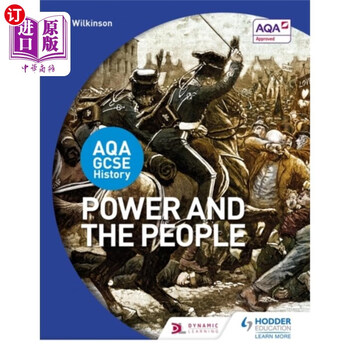
海外直订AQA GCSE History: Power and the People AQA GCSE历史:权力与人民¥359.0📱 去京东购买京东精选
需要一对一辅导?Need One-on-One Tutoring?
A-Level / GCSE / IB / KS2-KS3 历史与人文科目辅导
16621398022 同微信
关注公众号 tutorhao 获取更多学习资源
Visit aleveler.com
或截图后用「扫一扫 → 相册」选择本图