KS3 英语 阅读 写作 语法 词汇 三年进阶
KS3 指英格兰的 Year 7 到 Year 9,学生 11 到 14 岁。这三年没有全国统考,学校按 DfE 2013 年发布的 key stage 3 English programme of study 自己安排教学与评估,文件编号 DFE-00184-2013,公立学校自 2016 年 9 月起必须执行这份法定文件。很多学生以为没有统考就可以松下来,等到 Year 10 打开 AQA 8700 的卷子,才发现阅读题的分值长成了 4 分、8 分、12 分、20 分四档,写作题的技术准确性单独占 16 分,而 KS3 这三年正是把这些能力一点点垒起来的时间。
Key Stage 3 covers Years 7 to 9, when pupils are 11 to 14 years old. There is no national test at the end, so schools plan and assess the three years themselves, following the statutory programme of study for English published by the Department for Education in 2013 (DFE-00184-2013), which maintained schools in England have had to teach since September 2016. Plenty of pupils treat the missing test as a quieter year. The gap only appears in Year 10, when AQA 8700 pays 4, 8, 12 and 20 marks for reading and puts 16 of the 40 writing marks on technical accuracy. The three KS3 years are where those habits are built, and where a weak habit becomes expensive.
KS3 英语的四块法定内容
DfE 的 KS3 英语大纲把内容切成四块:阅读、写作、语法与词汇、口语。阅读要求读整本书,覆盖小说与非虚构,包含 1914 年前的经典与当代作品、两部莎士比亚戏剧,以及世界文学的代表作。写作要能写结构完整的说明文与议论文,也要写故事、剧本、诗歌,还包括演讲稿和正式信件。语法与词汇部分接着 KS1、KS2 的 Appendix 2 往上延伸,口语则落在短演讲、正式辩论与剧本表演上。四块不是四门课,考的都是同一套语言能力。
The Department for Education splits Key Stage 3 English into four blocks: reading, writing, grammar and vocabulary, and spoken English. Reading means whole books, fiction and non-fiction, covering pre-1914 and contemporary writing, two Shakespeare plays and seminal world literature. Writing covers formal expository and narrative essays, stories, scripts and poetry, plus talks and formal letters. Grammar work extends Appendix 2 from key stages 1 and 2 into harder texts. Spoken English sits in short speeches, formal debates and rehearsed performance. None of the four is a separate subject; they all lean on the same command of language.
整本书怎么读才算读完
大纲要求每年至少深入研究两位作者,这件事靠节选做不到。读整本书的重点不在复述情节,而在能指出作者做过的选择:事件为什么按这个顺序排,哪个意象反复出现,哪一句突然变短。常见的错误是读书笔记写成一整页剧情摘要,里面没有一个词谈用词、句长或时态转换。笔记里至少留一栏专写语言,读完一章填一行,三年下来就是一份可以直接搬到 GCSE 的素材。
The programme of study asks for at least two authors studied in depth each year, which extracts cannot deliver. A finished book is not a retold plot. It is a set of choices a writer made: the order of events, the image that keeps returning, the sentence that suddenly shortens. The usual mistake is a reading journal that summarises chapters and never once mentions word choice, sentence length or a shift in tense. One column of that journal should be reserved for language, filled in after every chapter. Do that for six books and the pupil arrives at GCSE with a bank of quotations already half analysed. Without it, every new text starts from zero.
阅读题里的推断与证据
KS3 大纲明确写着 making inferences and referring to evidence in the text,意思是推断必须落回原文。这条要求在 Year 10 变成 AQA Paper 1 的 8 分题:给一段文字,问作者怎样让读者感到紧张,答案要先指出具体词句,再解释这个选择的效果。只写感受不引原文,分数停在低档。练习时可以把答案拆成两半,前半句用引号,后半句写效果,两半都必须存在。找不到可以引用的词,说明这段文字还没读细,再读一遍比硬写感受省事。
Pupils are asked to make inferences and refer to evidence in the text, which is a precise instruction: any claim about a character has to be anchored in a quoted phrase. In Year 10 that becomes an eight-mark question on AQA Paper 1, where pupils explain how a writer creates tension, and the mark scheme wants the word, then the effect of the word. Answers that describe feelings without quoting stay in the lower band. A simple drill is to split each answer in two: the first half carries a quotation, the second half carries the effect. A reading the text cannot support earns nothing, however confident it sounds.
批判性阅读要看的三件事
批判性阅读同时盯三样东西:语言,包括比喻与用词;文本的结构与组织方式;诗歌的惯例。学生要能说出十四行诗的分节与韵脚怎样改变语气,也要能比较两篇文字对同一主题的不同处理。比较这一步在 GCSE 英语文学里直接考,诗歌比较有自己的评分标准,给的不是术语清单,而是一条站得住的论证线。列出十个手法却不说它们做了什么,是最常见的失分方式。
Critical reading tracks three things at once: language, including figurative language and word choice; the structure and organisation of a text; and poetic convention. Pupils should be able to explain how a sonnet's stanzas and rhyme scheme shift the tone, and to compare two treatments of one theme. Comparison is examined directly in GCSE English Literature, where the poetry question rewards a line of argument rather than a list of devices. Naming ten techniques without saying what each one does is the most common way to lose marks. A single well-explained feature beats a catalogue.
议论文与叙事文各看什么
写作部分要求写结构完整的正式说明文与议论文,也要求写故事、剧本和诗歌,还要写演讲稿、私人信件与正式信件。议论文的评价点不在立场对错,而在论点是否推进、论据是否支撑、段落之间有没有承接。叙事文看的是时间控制与视角是否一致,一个第一人称叙述者写满两页还不滑进概述,就已经跨过了多数人卡住的那道坎。两种文体的共同要求是把读者当作不知情的人来写。
Writing has to cover well-structured formal expository and narrative essays, stories, scripts, poetry, talks, personal letters and formal letters. A persuasive piece is judged on whether the argument moves forward, whether each claim is supported and whether paragraphs connect, not on which side a pupil picks. Narrative writing is judged on control of time and consistency of viewpoint. Holding a first-person narrator for two pages without slipping into summary already clears a hurdle that stops many pupils. Both modes assume a reader who knows nothing yet. A useful test is to hand a draft to someone outside the class and ask what they expected on the next line. Where their expectation beats the pupil's own plan, the plan needs work.
计划、起草、修改、校对
大纲把 plan, draft, edit, proof-read 写成四个独立环节,多数学生只做完前两个就交了上去。修改不等于改错别字,改的是段落顺序、例子强弱和语气;校对才处理拼写与标点。考试时间紧,平时练习反而应该把四步拆开做,一步一稿,这样才看得出自己长期跳过的是哪一步。拆开做比一次写完慢,但暴露的问题具体。
Planning, drafting, editing and proof-reading are four separate stages in the programme of study, and most pupils submit the second one. Editing is not spell-checking: it reorders paragraphs, replaces weak examples and adjusts register. Proof-reading handles spelling and punctuation. Under exam pressure the stages merge, which is exactly why practice should separate them and produce four short drafts of one piece. The stage a pupil consistently skips is usually the one that would have raised the mark.
Appendix 1 拼写与 Appendix 2 语法
KS3 的语法课不是从零开始,而是把 KS1、KS2 的 Appendix 2 拿来做更难文本的分析。拼写的依据在 Appendix 1,词缀、词根和常见例外都在那份文件里。课堂上要求用准确的术语讨论语言,比如主动与被动、从句、语域、情态。术语说错往往不是记性问题,而是概念还没分开,比如分不清主语和动作的发出者,一遇到被动句就乱。
Grammar at Key Stage 3 is not a fresh start. It takes Appendix 2 from key stages 1 and 2 and applies it to harder texts, while spelling follows the patterns and exceptions listed in Appendix 1. Pupils are expected to discuss language with accurate terminology: active and passive voice, clauses, register, modality. A pupil who mislabels a clause usually has not separated the idea of a subject from the idea of an actor, which is why passive sentences derail the analysis. Fixing the concept is quicker than memorising more labels.
标准英语与语域的切换
大纲要求学生会用 Standard English,并能区分书面语与口语、正式与非正式语域。这一点在写作评分里是隐性扣分项:一篇文章开头正式,中间突然冒出缩写或网络用语,读起来就前后不一致,技术准确性跟着掉。可以拿一条日常消息改写成正式邮件,保留全部信息,只换语气,再从邮件改回消息,两个方向都走一遍。改不动的地方,往往就是语域概念没建立的地方。
Pupils are expected to use Standard English confidently and to tell spoken from written language and formal from informal registers. This is where marks quietly disappear: a piece that opens formally and then drops into contractions and slang reads as inconsistent, and technical accuracy suffers with it. Rewriting a text message as a formal email, keeping every fact and changing only the register, exposes the gap. Doing it in both directions is harder and worth the effort. Whatever refuses to move is the part of register the pupil has not yet understood. Register also shifts inside one piece: a formal opening, a direct address to the reader, then a return to distance. Marking those moves in a model text makes them visible before the pupil has to produce them.
口语:演讲、辩论与剧本表演
口语部分要求做短演讲、参加正式辩论、排练并表演剧本与诗歌,用音量、语调、停顿和动作把意义送出去。学校通常把口语放在课堂里评估,不单独设考,所以最容易被挤掉。练法是录音回放,两分钟的讲话录一遍自己听,语速过快和填充词过多会立刻显形。到了 GCSE,口语是一个单独记录的 endorsement,早练过的人不会在那时候才发现自己不适应开口。
Spoken English asks for short speeches, formal debates and rehearsed performance of scripts and poems, using volume, intonation, pace and silence to carry meaning. Most schools assess it in class rather than in an exam hall, which makes it the first thing to be squeezed out. Recording a two-minute talk and listening back is the fastest way to hear a rushed pace or a habit of filling silence with noise. At GCSE the spoken language endorsement is reported alongside the qualification as a separate statement, so pupils who have practised arrive with an advantage that costs nothing to build.
Year 9 衔接 AQA 8700 的两张卷
AQA 的 GCSE English Language 8700 自 2015 年 9 月起教学,2017 年起开考,考纲与样卷都可以在官网 aqa.org.uk/8700 下载。两张卷都是 1 小时 45 分钟、80 分,各占最终成绩的一半。Paper 1 是探索性阅读与写作,读一篇小说或描写文;Paper 2 是观点与视角,把非虚构与文学非虚构两篇放在同一主题下对读。口语作为 endorsement 单独记录,不进 9 到 1 的总分。
AQA GCSE English Language 8700 was first taught from September 2015, with exams from 2017, and the specification and sample papers sit on the exam board site at aqa.org.uk/8700. Both papers run 1 hour 45 minutes and carry 80 marks, half of the final grade each. Paper 1 handles creative reading and writing around one fiction or descriptive text; Paper 2 sets a non-fiction text against a literary non-fiction text on the same theme. The spoken language endorsement is reported separately and does not feed the 9 to 1 grade.
一学年 36 周的排法
按 36 周的学年算,每学期读两本书、写四种文体是可行的节奏。秋季学期放阅读与短篇写作,春季学期做议论文和一次正式演讲,夏季学期收拾语法清单,并做完一次跨文本比较。每周留一次 20 分钟做引用练习:从当周读过的段落里挑一句,写下它做了什么。量不大,但一年下来积累的句子库,比任何一本教辅都贴近自己的阅读史。
Across a 36-week year, two books and four text types per term is a rhythm that survives a normal school timetable. Autumn can carry reading and short writing; spring can take persuasion and one formal speech; summer can clean up the grammar list and finish a comparison across texts. One 20-minute slot a week is enough for quotation work: choose a sentence from that week's reading and write down what it does to a reader. The output looks small. Over a year it becomes a personal bank of evidence, closer to the pupil's own reading than any revision guide. The plan only works if the books are chosen before term starts. Choosing in week three costs a fortnight of the autumn slot.
读完不等于读懂的两种表现
很多学生以为读完一本书就完成了阅读任务,作业里交上去的还是情节。另一种表现是写作只改语法,段落顺序和例子从第一稿到最后一稿一动不动。这两种做法在 Year 8 都不会立刻扣分,学校评估宽松的时候尤其看不出来。到了 GCSE 的 20 分长答和 24 分作文上,两份卷子会在同一时间把这三年欠下的部分一起要回去,那时候再补,成本高得多。
Many pupils count a finished book as a finished reading task and hand in plot. The other habit is editing grammar while paragraph order and examples stay untouched from first draft to last. Neither habit costs much in Year 8, especially where school assessment is generous. Both surface at once on the twenty-mark reading answer and the twenty-four-mark writing task at GCSE. Repairing them in Year 11 is expensive; repairing them in Year 7 is a matter of one column in a notebook. The fix is not more practice papers. It is a short habit that forces the pupil to point at the text before saying anything about it.
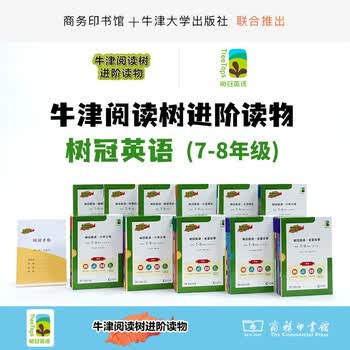
牛津阅读树英语进阶分级读物 7-8年级推荐¥670.0📱 去京东购买京东精选
需要一对一辅导?Need One-on-One Tutoring?
A-Level / GCSE / IB / KS2-KS3 全科辅导
16621398022 同微信
Visit aleveler.com
或截图后用「扫一扫 → 相册」选择本图