AQA与OCR化学对比 试卷结构 实验技能
很多学生以为 AQA 和 OCR 只是换了封面的同一份化学考卷,复习时把两边的 past paper 混着刷。真坐进考场才会发现,编号体系、卷面结构和实验题的摆法都不一样。这篇把两套大纲摊开对比:AQA 8462 与 OCR Chemistry A (Gateway Science) J248,讲清楚各自的卷子长什么样、实验技能怎么考、数学要求落在哪一步,以及学校已经选定考试局之后你还能做什么。
Many students assume AQA and OCR are the same chemistry paper behind a different cover, and mix past papers from both when revising. In the exam hall the numbering, the paper structure and the way practical work is examined turn out to differ. This comparison sets AQA 8462 alongside OCR Chemistry A (Gateway Science) J248, covering what each paper looks like, how practical skills are assessed, where the maths sits, and what is still within your control once your school has entered a board.
1. 8462 与 J248 是两条不同的路线
AQA 的 GCSE Chemistry 编号是 8462,OCR 的传统路线叫 Chemistry A (Gateway Science),编号 J248。两份大纲都是线性资格,所有考试集中在课程结束时同一考季完成。内容组织方式的差别一眼就能看出来:AQA 把内容切成十个编号主题,从原子结构和元素周期表一路排到资源利用;OCR 只设六个教学主题 C1 到 C6,另外单独加一个实验技能主题 C7。编号不同,教材目录、past paper 封面和 mark scheme 也就不能混着看。另外,OCR 除 J248 之外还有一条情境化路线 Chemistry B (J258),一所学校通常只教其中一条,报名前先确认代码。
AQA's GCSE Chemistry is 8462, and OCR's traditional route is Chemistry A (Gateway Science), J248. Both are linear qualifications, with every paper sat in the same series at the end of the course. The content is organised very differently. AQA splits the subject into ten numbered topics, running from atomic structure and the periodic table through to using resources. OCR uses six teaching topics, C1 to C6, plus a dedicated practical skills topic, C7. Because the numbering systems differ, contents pages, past paper covers and mark schemes are not interchangeable between the two. OCR also runs a context-led alternative, Chemistry B (J258), and a school normally teaches only one of them, so check the code before you buy anything.
2. 试卷结构:100 分卷与 90 分卷
AQA 8462 只有两张卷,Paper 1 与 Paper 2 都是 1 小时 45 分钟、100 分、各占 50%,两卷合计 200 分。OCR J248 同样是两卷制,但每卷 90 分,合计 180 分;Foundation 层考 J248/01 和 J248/02,Higher 层考 J248/03 和 J248/04。换算成每分钟要拿的分数,AQA 每分约 1.05 分钟,OCR 每分约 1.17 分钟,OCR 平均给分时间略宽松,代价是卷子里固定塞了一道六分的 extended response。卷面分值也影响时间分配:同样 105 分钟,AQA 要拿下 100 分,OCR 只要拿下 90 分,但 OCR 的单题更长。
AQA 8462 has two papers that each last 1 hour 45 minutes and carry 100 marks, giving a 200-mark qualification, whereas OCR J248 also has two papers but sets each at 90 marks for 180 in total. Foundation candidates sit J248/01 and J248/02, Higher candidates sit J248/03 and J248/04, and per mark AQA allows roughly 1.05 minutes against OCR's 1.17, which makes OCR slightly more generous with time at the price of a compulsory six-mark extended response.
3. 内容切分:主题 1 到 5 与 C1 到 C3
AQA 的 Paper 1 直接考主题 1 到 5,即原子结构、键合与物质性质、定量化学、化学变化、能量变化。Paper 2 考主题 6 到 10,但大纲明说 Paper 2 的题目可以回扣 4.1 到 4.3 的基础概念。OCR 的 Paper 1 与 Paper 3 考 C1 到 C3 加 C7,Paper 2 与 Paper 4 考 C4 到 C6 加 C7,并且假定你已经掌握 C1 到 C3,后两张卷还带 synoptic assessment。这条的实操含义很直接:复习第二张卷时,AQA 的学生不能把主题 1 到 3 完全封存,OCR 的学生也不能把 C1 到 C3 扔掉。
AQA Paper 1 examines topics 1 to 5, from atomic structure and bonding through quantitative chemistry and chemical changes to energy changes. Paper 2 examines topics 6 to 10, and the specification states that its questions may draw on the fundamental concepts in sections 4.1 to 4.3. On the OCR side, Papers 1 and 3 cover C1 to C3 plus C7, while Papers 2 and 4 cover C4 to C6 plus C7 with assumed knowledge of C1 to C3, and those second papers carry synoptic assessment as well.
4. 实验技能的位置:八个 required practicals 与独立主题 C7
AQA 大纲列出八个 required practical activities:制盐、滴定、电解、温度变化、反应速率、层析、离子检验、水的分析。实践技能至少占全部分数的 15%,但 AQA 没有把实验单列成一个主题,题目散落在各个主题里,考的是你对这个实验背后化学的理解。OCR 把实验技能做成独立主题 C7,同样对应考试中 15% 的实验内容,学生至少要完成八个实验活动,C7 的内容在两张卷里都会出现。两边的实验清单重合度很高,制盐、电解、层析、离子检验都是两边都要动手做的,差别在题目怎么包装。复习组织方式因此不同:OCR 可以整块刷实验题,AQA 得在学完每个主题时回想对应实验。
AQA lists eight required practical activities, from making salts and titration through electrolysis, temperature change, rates of reaction, chromatography and ion tests to the analysis of water samples. Practical skills account for at least 15% of the marks, but AQA does not set them aside as a separate topic; the questions are embedded across the content and test the chemistry behind each experiment. OCR turns practical work into topic C7, tied to the 15% practical content in the exams, with at least eight activities for students to complete, and C7 appears in both papers. Revision planning follows from that: OCR can be revised as a distinct practical block, whereas AQA asks you to revisit each experiment as you finish its topic.
5. 题型:15 分选择题区块与位置不定的开放题
OCR J248 的卷面结构写得很死:Section A 是 15 分的选择题,Section B 是 75 分的简答、实验、数学与结构化题目,外加一道六分的 Level of Response 长答。AQA 大纲只说明题型包括选择题、结构化题、封闭短答和开放回答,没有规定哪个题型占多少分。这个差别直接影响答题节奏:OCR 的开头十五分可以快速扫完,先把基本分稳住;AQA 的选择题夹在结构化题之间,翻页时要反复切换思路。做 OCR 卷时若在前面拖太久,后面的六分长答就只能草草收尾,那十五分反而是整卷最容易提前拿稳的部分。
OCR J248 fixes the shape of each paper. Section A is 15 marks of multiple choice. Section B carries the remaining 75 marks of short answer, practical, maths and structured questions, plus one six-mark level-of-response item. AQA only states that its questions include multiple choice, structured, closed short answer and open response, without fixing how many marks each style carries. That changes the rhythm of the exam: OCR candidates can clear the opening 15 marks fast and bank them. AQA candidates, by contrast, meet multiple choice questions scattered among structured ones and have to switch thinking as they turn pages.
6. AO 权重:评估目标的 20% 落在哪类题上
AQA 8462 的评估目标分配是 AO1 与 AO2 各约 40%,AO3 约 20%,两卷内部的 AO 比例与整体权重对齐。AO3 指的是分析信息、解释与评估、改进实验程序,落到题面上就是给你数据表让你算、给你两组实验结果让你挑哪个更可靠、让你改写实验步骤。20% 看着不高,摊到每张 100 分的卷子上仍有大约 20 分,选择题里也可能出现,不能指望在大题里一次拿完。看到 evaluate 或 suggest an improvement 这类动词,考的都是同一件事:说清楚改哪一步,以及为什么这样改能减少误差。
AQA 8462 weights its assessment objectives at roughly 40% AO1, 40% AO2 and 20% AO3. Each paper mirrors those proportions internally. AO3 covers analysing information, interpreting and evaluating, and improving experimental procedures. In practice that means questions which hand you a data table, ask which of two methods is more trustworthy, or invite you to rewrite a method. When a question uses words like evaluate or suggest an improvement, the demand is the same: name the step being changed, then explain why the change reduces the error.
7. 六分 Level of Response 题的三段写法
六分题不是写满六行就给六分。OCR 的六分 extended response 按 level of response 评分,先判断你落在哪一级,再在级内看细节。稳的写法是三段:先把题目里的现象或数据说清楚,再用化学原理把它连起来,最后回到题目问的那句话给结论。常见的错误是整段都在描述现象,一句原理都没有,落在第一级。落笔前在草稿区写三个关键词,分别对应现象、原理、结论,按这三个词扩句,比直接铺陈稳得多。AQA 的开放回答题吃的是同一套结构,只是分值和位置不固定。
A six-mark question does not pay six marks for six lines of writing. OCR's extended response items are marked by level of response: the examiner places the answer in a level first, then decides where inside that level it sits. A reliable structure has three moves, describing the observation or data, linking it to the relevant chemistry, and returning to the exact wording of the question to conclude. The usual failure is a paragraph of description with no chemistry in it, which lands in the lowest level. AQA's open response questions reward the same shape, though the marks and position vary.
8. 分层:Foundation 1 到 5 与 Higher 4 到 9
两家都是 9 到 1 的评分制,都分 Foundation 与 Higher 两层。OCR J248 大纲写明 Foundation 对应 5 到 1,Higher 对应 9 到 4;AQA 8462 同样是 Foundation 1 到 5、Higher 4 到 9。选层由学校决定,学生不能自己换。分层的差别不在内容多少,而在同一主题里的深度:Higher 卷会出现需要两步推理的定量题,Foundation 卷更多是直接套公式。同一主题在两层的卷子里都会出现,做 Higher 的题之前扫一遍 Foundation 卷的同类题,基础概念反而补得更牢。
Both boards use the 9 to 1 scale and both offer Foundation and Higher tiers. OCR's J248 specification states that Foundation covers grades 5 to 1 and Higher covers 9 to 4, and AQA 8462 follows the same pattern. The tier is chosen by the school, not by the student. Tiering is less about how much content is taught than about depth within a topic: Higher papers include quantitative questions that need two steps of reasoning, while Foundation papers lean on direct substitution into a formula.
9. 转学与换考试局的现实限制
你考哪一套,取决于学校在 JCQ 那边注册了哪个 spec code,个人报名也按考点的代码走。转学时新旧学校用了不同考试局,内容重合的部分很大,但术语和编号体系完全不同。最典型的麻烦是拿 AQA 的 mark scheme 去对 OCR 的答案,看起来意思对了,给分点却对不上。两边的教材对同一个概念用的词也不一样,OCR 常写 particles 和 formulae,AQA 的表述更直白,读题时先认术语。真要换,先拿到新考试局的 spec 目录,把 C1 到 C6 与主题 1 到 10 做一张对应表。
Which specification you sit depends on the code your school has entered with JCQ, and private candidates follow the code of the centre entering them. When a school move also means a board move, most of the chemistry overlaps but the vocabulary and numbering do not. The classic problem is marking OCR answers against an AQA mark scheme: the sense looks right, yet the creditworthy points do not line up. If a change is coming, get the new specification's contents pages first and build a mapping table from C1 to C6 onto topics 1 to 10.
10. 真题数量与教材资源
每年两家各出四份卷:AQA 是 Paper 1 与 Paper 2 各出 Foundation 和 Higher,OCR 是 J248/01 到 J248/04 四份。真题总量差不多,资源多少不能当选择依据。两边编号都稳定,找近五年的卷子都不难,只是 AQA 每份卷子只对应一层,OCR 的四个代码把层和卷都编在了一起。真正的差别在配套材料:英国多数学校用 AQA,教辅和题库更多按 AQA 的主题编号编排;OCR 的材料少一些,但 C7 独立成题让实验题的分类更清楚,找题时按 C7 一次就能捞全。
Each board publishes four papers a year: AQA issues Paper 1 and Paper 2 at both tiers, and OCR issues J248/01 to J248/04. The volume of past papers is comparable. The amount of material on offer is therefore a weak reason to choose one. The real difference is the support around the papers. Most schools in England teach AQA, so revision guides and question banks are more often indexed by AQA topic numbers, while OCR material is thinner yet easier to sort. C7 collects the practical questions in one place, which makes targeted practice simpler.
11. 定量计算:cm3 到 dm3 这一步
两套大纲都单列数学要求,AQA 8462 有专门的 Mathematical requirements 一章,OCR 也在 J248 里写明数学技能要求。落到题上,最常丢分的不是公式记错,而是单位:浓度用 mol/dm3,体积给的是 cm3,不除以 1000 直接代入,答案差三个数量级。顺手记一条换算关系:1 dm3 等于 1000 cm3,先把体积统一成 dm3 再代数,比事后检查量级省事得多。我批改这类题时看到的答案,数字算得挺整齐,量级错得离谱,往往就是漏了这一步。
Both specifications carry an explicit mathematical requirements section. AQA 8462 devotes a chapter to it, and OCR states its own skills requirement inside J248. In practice, marks are lost less often through a misremembered formula than through units. Concentration is quoted in mol/dm3 while the volume is given in cm3. Skip the division by 1000 and the answer shifts by three orders of magnitude. Answers like that are usually arithmetically tidy and wildly wrong in scale, which is the signature of a missing conversion.
12. 判断:什么样的情况选哪一套
学校已经定了考试局,就没有选择空间,跟着学校的 spec 走,把真题按该考试局的编号整理。自学或国际考生要自己买教材时,AQA 8462 的资料更容易找,OCR J248 的优势在结构:六个主题边界清楚,实验技能集中在 C7,适合把实验题当独立模块刷。两边都能选的情况下,比较靠谱的判断是看老师的真题储备和学校的教学节奏,而不是网上的难度传言。两套大纲的难度没有官方公布的横向可比数据,任何哪个更容易拿 9 的说法都缺依据,别拿它当决策理由。
If your school has already entered a board, there is no decision to make: follow its specification and organise past papers by its numbering. For self-study or international candidates buying their own books, AQA 8462 material is easier to find, while OCR J248 has a structural advantage, with six clearly bounded topics and practical skills gathered into C7 so that experiment questions can be drilled as a separate block. There is no official published comparison of difficulty between the two, so any claim that one is easier to score a 9 in should not drive the choice.
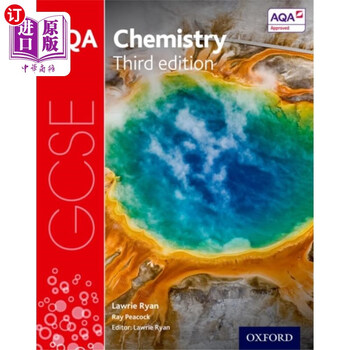
海外直订AQA GCSE Chemistry Student Book AQA GCSE化学学生手册¥588.0📱 去京东购买京东精选
需要一对一辅导?Need One-on-One Tutoring?
A-Level / GCSE / IB / KS2-KS3 全科辅导
16621398022 同微信
Visit aleveler.com
或截图后用「扫一扫 → 相册」选择本图