KS2英语 阅读理解 语法拼写 写作评估
KS2 指英格兰小学的第三到第六学段,也就是 Year 3 到 Year 6,学生年龄在 7 到 11 岁之间。英语在这四年里被拆成口语、阅读与写作三块,阅读里再分词读与理解,写作里再分转录与创作。很多家长把 KS2 英语理解成背单词加做卷子,实际上 National Curriculum 的英语 programme of study 把词读、理解、拼写、手写、语法、标点、词汇都列成了独立要求。DfE 官网的这份文件 2013 年 9 月首次发布,2014 年 7 月补上 Key Stage 4 部分,学校按它安排四年的教学顺序。这篇文章顺着官方结构往下走:阅读的两个层次、写作的两条线、语法与拼写的具体清单,以及 2026 年 5 月的测评安排。
Key stage 2 covers years 3 to 6, ages seven to eleven, and English across those four years is really three subjects wearing one name: speaking, reading and writing. The programme of study keeps word reading and comprehension separate, then splits writing into transcription and composition, which explains why a child can spell accurately and still write a thin story. What follows is a practical map of that structure, the grammar and spelling content underneath it, and how the end-of-key-stage assessments in May 2026 are arranged.
KS2 英语的三条主线与四个学年
官方文件把 KS2 英语分成三条线:口语、阅读、写作。阅读再分成词读和理解,写作分成转录和创作。词读要巩固自然拼读、能读常见例外词、读得流利,理解要在朗读和独立阅读两种场景里都成立。转录指拼写与手写,创作指计划、起草、修改和校对。语法与词汇没有单独板块,它们挂在写作要求下面。四年里 Year 3 和 Year 4 先稳住句子,Year 5 和 Year 6 转向长文与不同文体。很多学生以为英语就是读完一本书再做几道题,官方大纲却把读得准和读得懂分成两条要求。
Spoken language, reading and writing are the three headings schools work from, and each carries its own attainment target. Reading splits into word reading and comprehension, while writing splits into transcription and composition, with grammar and vocabulary threaded through both; a fluent reader is therefore not automatically a strong comprehender, and the two need different practice. Schools usually timetable them separately for exactly that reason, one strand built on volume and fluency, the other on question stems and evidence.
流利度:准确、自动化与语调
流利度包含三件事:准确率、自动化和语调。准确率是把词读对,自动化是不用停下来想就能读下去,语调是按标点和意思停顿与起伏。DfE 官网的 Reading framework 在 2023 年更新时把 fluency 单独列成一章,位置就在自然拼读之后。三者里最容易被忽略的是语调,很多学生读得又快又准,但每句都用同一个调子,读到句号也不停。常见的错误是让孩子反复读同一页却不给示范,其实先听大人读一遍再跟读,比自己硬读三遍有效得多。朗读材料要略高于孩子的独立阅读水平,但又不能高到每句都卡住。
Fluency is usually described as accuracy, automaticity and prosody, and only the third one gets neglected in practice. A child who reads every word correctly can still sound flat, racing through full stops and ignoring commas, which makes meaning harder to hold on to. The cheapest fix is modelling: read the page aloud first, then let the child echo it, rather than asking for a third solo attempt at a text that has already defeated them.
理解题围绕八个内容域出
阅读理解的题目围绕固定的几个内容域出:词义、检索、概括、推断、预测、内容关联、词句选择的效果、比较。词义题问某个词在句子里的意思,检索题要求在文中找到并写下信息,概括题要求说出主旨或按顺序讲清主要事件。推断题给线索不给答案,预测题问下一步可能发生什么。词句选择题问作者为什么用这个词,比较题要求对照两段文字。家长看卷子时可以按这几类归位,孩子的弱项通常集中在概括和词句选择。概括难在取舍,词句选择难在要把效果说清楚,而不是只说这个词很好。
The reading test is built from a small set of content domains, and knowing their names helps parents read a mark scheme without guessing. Retrieval asks for information that is simply there; inference asks for a judgement the text implies but never states; choice of words asks why the writer picked that phrase rather than a plainer one. Most children can retrieve, and many stall on summary and on explaining effect, because both require deciding what matters.
推断题要写证据,不是写感受
推断题的答案必须落在文中的证据上。阅卷时最常见的情况是学生写了整段自己的感受,却没有引用任何一句原文。三年级的推断题通常只要求一个合理判断,五年级以后要求判断加解释,六年级的三分题往往要写三点。常见的错误是只写结论,比如他很害怕,却不写他躲在门后、手心出汗这些线索。答题时可以先在文中划出线索,再写判断,最后写明这条线索为什么支持判断。把这三步写全,同样的理解就能拿到满分,而不是一半。
An inference answer earns marks through evidence, not through how strongly the reader feels about the character. A response that says the boy was frightened will sit at one mark; the same idea, tied to the door he wedged shut and the hands he could not keep still, moves up the scale. Teaching children to underline first and write second is slower for a week and faster for the rest of the year.
语法:叫得出名字,也用得上
KS2 的语法要求是叫得出名字并用得上。句子里要能指出主语、动词、宾语,也要能指出副词、介词、连词和限定词。Year 4 以后加入前置状语、关系从句、插入语和扩展名词短语。2026 年的语法标点拼写卷第一份就考了情态动词如何改变可能性,还考了用括号补插入语、用破折号连接两个分句。很多学生以为语法只要背术语,实际题目给的是句子,要判断哪个词起什么作用。术语是工具,不是终点,能改对句子才算掌握。
Grammar in key stage 2 is tested through sentences rather than definitions, which is why memorising a glossary rarely lifts the score. The 2026 paper asked pupils to explain how a modal verb shifts certainty, to bracket a parenthesis and to join two clauses with a dash; each item required a decision about a real sentence. A child who can point at the subject, the verb and the fronted adverbial in their own writing has understood more than one who can recite the list.
标点按功能分工,不是按难度排队
标点在 KS2 按功能分工,各有各的岗位。逗号用于列举、前置状语之后、以及让句子不被误读的地方,括号、破折号和成对逗号都可以承载插入语。冒号用来引出列表或解释,分号用来连接两个各自完整的句子。撇号处理所有格和缩写,连字符处理复合形容词。常见的错误是用逗号把两个完整句子连在一起,这种写法在五年级的写作判断里会直接压住句子结构的分数。判断该用哪个标点,先问这句话里有几个完整的主谓结构。
Punctuation is taught by job rather than by difficulty: commas separate items and mark off fronted adverbials, brackets and dashes carry parenthesis, and a colon introduces what follows. The comma splice is the error that shows up most often in year 5 and year 6 writing, and it costs marks because it hides where one sentence ends. Asking how many complete clauses a sentence contains usually answers the punctuation question on its own.
拼写:法定词表加词缀规则
拼写靠两条腿走路:法定词表和词缀规则。官方文件给出 Year 3 到 Year 4 与 Year 5 到 Year 6 两份词表,同时列出词缀规则,包括 -tion、-sion、-cian 的选择,-ous 结尾,-ture 与 -sure 的区别,un-、dis-、mis-、in- 前缀,以及不发音字母。同音词是另一个高发区,their 与 there、practice 与 practise、advice 与 advise 经常出现在同一篇作文里。很多学生以为把词表抄三遍就记住了,其实按词缀分组、每周只攻一组,用回忆测试代替抄写更稳。听写错词要回到规则,而不是只把错词再抄十遍。
Spelling is assessed through the statutory word lists and through the patterns that let a child spell an unseen word. The lists for years 3 and 4 and for years 5 and 6 are published in the curriculum appendix, alongside suffixes such as -tion and -ous, prefixes such as dis- and mis-, and homophones that trip up even confident writers. Weekly recall tests on one pattern beat copying a list three times, because copying rewards the hand rather than the memory.
写作的两条线:转录与创作
写作在 KS2 分成转录与创作,两条线要分开练。创作走的是计划、起草、评估、校对四步,不是一次成稿。计划阶段确定读者和目的,起草阶段先把内容铺开,评估阶段回头删改,校对阶段查拼写、标点和前后一致。段落要围绕一个中心,句子之间用代词、连词和时间状语衔接。手写要求连笔、清晰、大小一致,Year 5 以后书写速度也要跟上。常见的错误是孩子写完就交,从不做校对,把明显的主谓不一致留在纸上。把校对固定成最后一个五分钟动作,很多低级失分就消失了。
Composition and transcription are assessed together but improve separately, and mixing them in one practice session usually wastes both. Planning, drafting, evaluating and proofreading are distinct moves, and children who skip the last one hand in work they could have corrected themselves in five minutes. Handwriting belongs in the same conversation: legible, joined and fast enough by year 5, or the ideas arrive on the page slower than they arrive in the head.
写作判断只有三个档位
KS2 的写作没有统考卷,成绩来自教师判断。判断只有三个档位:接近标准、达到标准、超过标准。科学只有达到标准一个档位。2026 至 2027 学年的 assessment and reporting arrangements 写明,判断只能使用学生独立完成的写作,由人工智能生成、或按人工智能反馈修改过的文字不算独立证据。这条规定对开始用写作助手的孩子影响很直接。老师通常从几篇不同文体的作品里取证据,不是挑一篇最好看的。所以平时作品集比考前突击更能决定最终档位。
Writing at key stage 2 has no test paper; the judgement comes from the teacher, using three standards and evidence collected across the year. The 2026 to 2027 arrangements are explicit that only independently produced writing counts, and that text generated by artificial intelligence, or rewritten after AI feedback, is not independent evidence. A folder of pieces in different genres therefore carries more weight than one polished story produced the week before moderation.
2026 年 5 月的测评日程与卷面
2026 年的 KS2 测评排在 5 月 11 日到 14 日这四天。11 日是语法、标点与拼写,12 日是阅读,13 日和 14 日是数学。英语两份卷子分工清楚:阅读卷 50 分、60 分钟、三篇文章;语法标点拼写第一份 50 分、45 分钟,第二份拼写 20 分。学校必须按日程施测,不能提前开考。DfE 官网的家长说明写得很直白:测评不设及格与不及格,用途是了解孩子的强项与需要额外支持的地方。写作不在这四天里,靠平时作品判断。
The statutory week in 2026 runs from 11 to 14 May, with grammar, punctuation and spelling on the Monday, reading on the Tuesday, and mathematics across the last two days. The English papers are compact: fifty marks and sixty minutes for reading across three texts, then fifty marks of questions and twenty marks of spelling for the language paper. Schools cannot bring a paper forward, and the parent-facing guidance from DfE is blunt that these assessments have no pass or fail line.
换算分怎么读,官方数据怎么说
成绩用换算分表示,100 分代表达到预期标准。阅读和数学的换算分到 110 以上算 higher standard,三项合并的 higher standard 还要求写作达到 greater depth。成绩 7 月初到学校,学期结束前学校会把测评结果和教师判断一起写进报告。DfE 官网 2026 年 9 月发布的 2025 至 2026 学年临时统计显示,阅读达到预期标准的比例是 75%,写作 73%,语法标点拼写 74%,三科合并 63%,合并的 higher standard 是 9%。阅读这一项与 2025 年持平,其余各项小幅上升,三科合并仍低于 2019 年的 65%。女生除数学外各科都高于男生。
Results arrive as scaled scores, with 100 marking the expected standard and 110 the higher standard in reading and mathematics. Provisional figures for 2025 to 2026, published by DfE in September 2026, put reading at 75 per cent, writing at 73 per cent and grammar, punctuation and spelling at 74 per cent, with 63 per cent reaching the standard in all three and 9 per cent at the higher standard. Reading held steady while the other subjects edged up, and the combined figure is still below the 65 per cent recorded in 2019.
四年路径与可用的官方资源
四年路径可以按学期落地。Year 3 补自然拼读的漏洞,每天十分钟朗读,每周一组词缀。Year 4 练段落和推断,写作从三段扩到五段。Year 5 读完整长篇,接触说明、议论、叙事三种文体,语法术语要能自己用出来。Year 6 前半年做计时卷,后半年集中在校对与文体切换。资源方面,DfE 官网的 Reading framework 在 2023 年更新后覆盖流利度、阅读氛围、跨学科阅读与 KS3 衔接;English Hubs 提供阅读支持,Oak National Academy 有配套课;STA 官网的历年试卷与评分方案可以免费下载。KS1 的测评从 2023 至 2024 学年起改为非强制,Year 1 的 phonics screening check 仍然法定,KS3 目前没有法定统考。
A workable four-year plan moves from decoding to stamina: year 3 plugs phonics gaps and reads aloud daily, year 4 builds paragraphs and inference, year 5 adds whole novels and three genres, and year 6 spends the spring on timed papers and the summer on proofreading. The free official material is better than most paid workbooks, starting with the reading framework updated in 2023, the English Hubs reading support and the Standards and Testing Agency archive of past papers and mark schemes. One caution worth knowing: key stage 1 assessments became optional from 2023 to 2024, the year 1 phonics screening check is still statutory, and key stage 3 has no statutory tests at all.
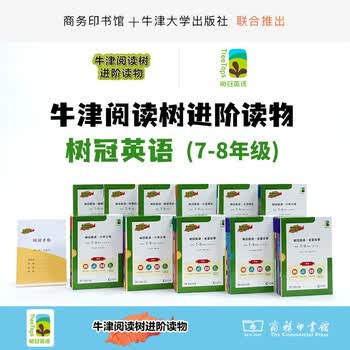
牛津阅读树英语进阶分级读物 7-8年级推荐¥670.0📱 去京东购买京东精选
需要一对一辅导?Need One-on-One Tutoring?
KS2 到 A-Level 全科辅导,按考试局大纲排课
16621398022 同微信
Visit aleveler.com
或截图后用「扫一扫 → 相册」选择本图