CAIE物理 选择题 结构题 实验卷 有效数字
CAIE 的 IGCSE 物理 0625 一共三份卷子,考的不只是物理知识,还有对卷面规则的理解。同一个答案,写法不合规矩照样丢分。下面按卷面顺序把三份卷子的评分逻辑拆开讲,配上课纲里明确写出的结构与常见扣分点。
The Cambridge IGCSE Physics 0625 exam is three papers, and each one rewards a different habit. Knowing the physics is only half of the work: the other half is matching your answer to the way marks are actually allocated.
三份卷子的权重:30%、50%、20%
按 Cambridge International 官网 0625 考纲,这份 spec 适用于 2026 至 2028 年的考试。Paper 1 或 Paper 2 是四选一选择题,45 分钟 40 分,占总分 30%。Paper 3 或 Paper 4 是结构题,1 小时 15 分钟 80 分,占 50%。Paper 5 是实验操作卷,1 小时 15 分钟;Paper 6 是实验笔试卷,1 小时,两份都是 40 分 20%。Core 考生做 Paper 1、Paper 3 和 Paper 5 或 6,成绩上限是 C 等。Extended 考生做 Paper 2、Paper 4 和 Paper 5 或 6,等级从 A* 一直到 G。考纲还写明三项评分目标的分工:知识与理解 50%,信息处理与解题 30%,实验技能与探究 20%。
The Cambridge International 0625 syllabus for the 2026 to 2028 examinations splits the qualification into three papers. The multiple-choice paper takes 30 per cent of the marks, the structured paper 50 per cent and the practical paper 20 per cent, with Core candidates capped at grade C and Extended candidates graded from A* down to G. The same document sets the assessment objectives at 50 per cent knowledge and understanding, 30 per cent handling information and problem solving, and 20 per cent experimental skills.
选择题 40 题 45 分钟的取舍
Paper 1 与 Paper 2 都是 40 道四选一,时间 45 分钟,平均每题只有一分钟多。选择题不倒扣分,空着就是白丢一分,所以先把一眼能定的题做完。卡住的题在题号旁画个圈,整卷扫完再回头,不要在一道题上耗掉五分钟。很多学生以为选择题只考记忆,实际的错题里有一半出在单位上:题目给厘米,答案要米;功率给千瓦,时间给分钟。题面写 g 取 9.8 N/kg 时不要顺手换成 10,选项里常把两个数都放上去。图形选项先看横纵坐标标的是什么,再看曲线形状,斜率与截距各有各的含义。
Forty items in forty-five minutes leaves just over a minute per question, so pace matters as much as knowledge. No marks are deducted for a wrong option, which makes an empty answer a pure loss; circle the stubborn ones and come back after the sweep. Units cause more errors here than physics does, because centimetres are left unconverted and kilowatts get divided by minutes. Read the axes before comparing the shapes of two curves.
结构题的分值就是答题点数量
Paper 3 与 Paper 4 是 80 分 75 分钟,答题空间与分值成比例,两分题通常要落两个独立要点。阅卷按点给分,同一个要点换句话写第二遍不算新点,写满了也只有一个点。计算题把式子、代入、答案、单位这四段写全,中间某一步算错还能拿前面的分。只写一个数字而不写过程,一旦这个数字错,整题归零。题目给的已知量要抄进式子里,不要直接跳到答案。带单位的答案记得把单位写在数字后面,漏单位在结构题里是稳定扣分。
Eighty marks in seventy-five minutes means roughly one mark per line of working, and the space given is proportional to the marks available. Two-mark questions usually need two separate points rather than one point repeated in different words. A calculation is credited in stages: the formula, the substitution, the answer and the unit, so an arithmetic slip late on still leaves earlier marks intact. Writing only a number risks losing everything if that number is wrong.
命令词决定回答的深浅
命令词是结构题最容易被忽略的规则。state、give、name 只要一个词或一句短话,多写不加分。describe 要说清发生了什么,从数据或图上能看到的趋势、变化、先后顺序都算内容。explain 要说清为什么,用物理机制把原因和结果连起来,只重复现象不给分。calculate 要有式子和代入,determine 常要求从图像或表格里先读数再算,suggest 是用已学原理推测新情境,允许合理假设。compare 要求两边都写,只写一边等于只答一半。很多学生以为 describe 和 explain 只差一个词,写法可以一样,结果十分题只拿到四分。
Command words are the quietest rule in the structured paper. State, give and name need a word or a short phrase, and extra sentences add nothing. Describe asks what happens, explain asks why it happens, and a description repeated as an explanation scores zero for the reason. Calculate needs the working, determine usually needs a reading taken from a graph first, and compare needs both sides of the comparison stated.
有效数字与单位的固定扣分点
有效数字不必写到小数点后很多位,位数跟着题干给的数据走。题干给两个有效数字,答案一般也给两到三个,中间步骤不要提前取整,最后一步再收。单位换算是最常见的失分:1 千瓦时是 3.6 兆焦,1 毫安是 0.001 安,1 千帕是 1000 帕,1 兆瓦是 10 的 6 次方瓦。常见的错误是算出 0.5 之后直接写 0.5 焦,其实题面给的是毫焦。单位符号用斜杠写法,m/s 与 m/s² 不要写成 mps 或 m/s2。答案里数字与单位之间留一个空格,前面用空格隔开,不要连成一串。
Significant figures should follow the data given in the question rather than a fixed rule. Carry full precision through the working and round only at the end, because premature rounding is where neat answers turn wrong. Prefix conversion is the steady loser: kilojoules against joules, milliamps against amps, kilopascals against pascals. Write units in the standard symbol form, keep a space between number and unit, and never drop the unit from a final answer.
公式先写再代入
0625 的公式量不大,v = f 乘波长、p = F 除以 A、密度等于质量除以体积、V = IR、P = IV、E = Pt 这几组覆盖了大半计算题。写法固定成三步最省事:先写公式,再把已知量连单位一起代入,最后写结果加单位。公式写错但代入数字自洽,通常还能拿到方法分;反过来只写答案,方法分一分没有。串并联题先判断电流电压哪一项不变,再用 V = IR 逐个求。功率题注意区分电功率 P = IV 与能量 E = Pt,问能量时不要停在功率上。效率题用有用输出除以总输入,结果写成小数或百分数都行,但要与题干要求一致。
The formula list for 0625 is short: wave speed equals frequency times wavelength, pressure equals force over area, V equals IR, power equals IV, energy equals power times time. Three lines of working cover most calculations, and examiners credit the method even when the arithmetic fails. For series and parallel networks, decide first which quantity is shared, then apply V equals IR branch by branch. Efficiency is useful output over total input, and the answer should match the form the question asks for.
图像题的两把尺子:斜率与面积
位移时间图像的斜率是速度,速度时间图像的斜率是加速度,速度时间图像下的面积是路程。三条关系在 0625 的力学题里反复出现,答题时先确认横纵轴分别是什么量。斜率要带单位,纵轴单位除以横轴单位就是斜率的单位,v-t 图的斜率单位是 m/s²。面积也要带单位,v-t 图面积是 m/s 乘 s,得米。曲线段求斜率要画切线,不要用两端点连线代替。折线图分段算面积再相加,三角形与矩形分开写清。很多学生以为面积法只能用于匀速,实际上恒定加速度的三角形面积同样成立。
A displacement-time graph gives speed from its gradient, a velocity-time graph gives acceleration from its gradient and distance from the area underneath. Check which quantity sits on each axis before touching the numbers, since the same shape means different things on different axes. Gradients and areas both carry units, and a curved section needs a tangent rather than a chord between two distant points.
实验卷的记录表怎么排
Paper 5 与 Paper 6 都要求先画表再记数。表头写清物理量与单位,格式是量名加斜杠加单位,例如长度除以厘米,单位只写在表头,不写进每个格子。同一列的小数位数保持一致,读数是 2.4 就写成 2.40,别一半写 2.4 一半写 2.40。需要重复读数的实验留一列平均值,平均值的小数位数与原始读数相同。表格用尺子画,行列对齐,不要出现空行与合并单元格。原始数据与计算量分表或分列写清楚,计算列注明用了哪个公式。常见的错误是把单位写在数字后面又写进表头,重复两次。
Both practical papers want the table drawn before the readings are recorded. Put the quantity and its unit in the header, in the form quantity divided by unit, and keep units out of the cells. Decimal places should stay consistent down a column, and a column of repeat readings needs its own average written to the same precision. Rule the table, align the rows, and mark calculated columns so the examiner can see which formula produced them.
读数与仪器精度的匹配
刻度尺读到毫米,也就是 0.1 厘米,再往下估一位就是 0.05 厘米左右。量角器读到 1 度,量筒读凹液面最低处,视线与液面齐平。秒表显示到 0.01 秒,人的反应时间却有 0.2 秒左右,所以摆的周期要测十个来回再除以十。电表读数先看量程,再看最小分度,指针式电流表通常读到最小分度的下一位。零点误差要在接线前检查,指针不在零位先调零或记下偏差。阅卷时最常见的失分是把估读位写成一串小数,比如 12.345 厘米,本身就不成立。
Read a ruler to the millimetre and estimate one further digit, which gives about 0.05 centimetres of uncertainty. Read a measuring cylinder at the bottom of the meniscus with your eye level with the surface, and a protractor to the nearest degree. A stopwatch displays hundredths of a second while human reaction time is nearer two tenths, so time ten oscillations and divide. Check the zero of any meter before connecting it, and never quote more digits than the instrument can support.
误差与改进要说到具体动作
误差分两类,系统误差让所有读数朝同一方向偏,随机误差让读数上下散开。零点没调、仪器刻度偏差属于系统误差,读数时视线偏斜、反应时间不同属于随机误差。改进要写成动作而不是形容词,写重复测量取平均、写用直角尺对齐视线、写把摆长从悬点到摆球中心量、写加润滑减少摩擦。只写更仔细、更小心这类词不给分,因为没法执行。系统误差靠取平均消不掉,要先找出偏的方向再改方法。结论里提到误差时,把误差来源与它影响哪个量写在一起。
Errors split into systematic ones that push every reading the same way and random ones that scatter around the true value. A meter that does not return to zero is systematic, while a different reaction time on each trial is random. Improvements must name an action: repeat and average, sight along a set square, measure length to the centre of the bob, lubricate a syringe. Averaging cannot remove a systematic error, so find its direction before changing the method.
电学题的电表接法与串并联规律
电流表串在电路里,电压表并在待测元件两端,接反了读数不对甚至损坏元件。串联电路电流处处相同,电压按电阻分配,总电阻等于各电阻之和。并联电路各支电压相同,电流按电阻反比分配,总电阻比任何一个支路都小。判断电路先找电源正极到负极的路径,再数节点,两条路径以上就有并联。滑动变阻器接入哪一段要看接线柱,接下面两个柱等于固定电阻。计算时先求总电阻再求总电流,用 V = IR 逐段推进,别把并联当成串联算。
An ammeter sits in series with the component while a voltmeter sits in parallel across it, and reversing them gives nonsense readings. In series the current is the same everywhere and voltages add, while in parallel the voltage is the same and currents split in inverse proportion to resistance. Trace the path from the positive terminal and count junctions before deciding which rule applies, and remember that a parallel combination is always lower than its smallest branch.
考前两周的三次全真计时
考前两周按真实时长各做一次:Paper 2 四十五分钟、Paper 4 七十五分钟、Paper 6 六十分钟,中间不查书不暂停。做完用 mark scheme 自己批,把丢分记成三类:知识点没学过、知识点会但写错、会写但时间不够。第二类最多,通常集中在命令词与单位上。第三类靠限时训练解决,前两类靠回看考纲条目。错题本按考纲章节编号归档,同一个编号出现三次以上,就回到那一节重读 spec 的表述。很多学生以为刷完十年真题就够了,其实不整理错题,刷题只是把同样的错误重复十遍。
Two weeks out, sit each paper once under real conditions: forty-five minutes for Paper 2, seventy-five for Paper 4 and sixty for Paper 6, with no notes and no pauses. Mark your own script against the mark scheme and sort every lost mark into one of three boxes: content not learned, content known but written badly, or content ready but out of time. The middle box usually dominates and it usually traces back to command words and units, which is the fastest place to gain marks.
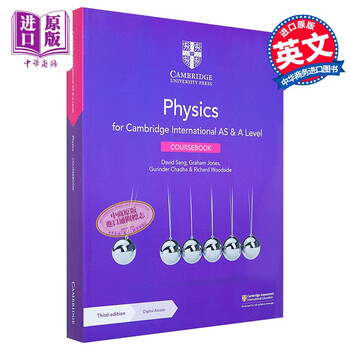
Cambridge International AS ALevel Physics Coursebook 正版剑桥国际AS ALevel考试物理教材带线上账号 英文原版¥557.0📱 去京东购买京东精选
需要一对一辅导?Need One-on-One Tutoring?
A-Level / GCSE / IB / KS2-KS3 全科辅导
16621398022 同微信
Visit aleveler.com
或截图后用「扫一扫 → 相册」选择本图