Edexcel历史 20分论述题 评分档位 判断标准
Edexcel A-Level History 的论述题考的不是史实储备,而是你能不能在有限篇幅里立一个可以检验的判断。Paper 1 给两小时十五分钟,要答三道 20 分题,合计 60 分,占整个 A-Level 的 30%。很多学生把力气全花在回忆时间线,真正决定档位的却是判断标准有没有写出来。Pearson 官网的评分描述把每道 20 分题分成五个档,最高一档要求的是一以贯之的论证,而不是细节数量。下面按这份评分描述把动作拆开,每一条都能在自己写过的旧作文上验证。评分标准在 specification 9HI0 里公开,可以逐字对照,不必依赖二手笔记。这套拆法同样适用于 Paper 3 的论述题,因为两卷共用同一份分档描述。
Essay questions in Edexcel A-Level History are marked on the quality of your judgement rather than the volume of facts you can recall. Paper 1 runs for two hours and fifteen minutes and carries three 20-mark answers, 60 marks in total and 30 per cent of the qualification. Pearson publishes the band descriptors in specification 9HI0, and the top band asks for an argument that stays consistent from the first paragraph to the last, which changes how you plan before you write a single word.
Paper 1 的两小时十五分钟怎么切
卷面分成三个部分,Section A 与 Section B 各从两道题里选一道,Section C 是必答的两份 Extract 比较题,每题都是 20 分。两小时十五分钟里没有单独的阅读时间,要自己留出十五分钟看 Extract 与列提纲。按分值平分,剩下两小时刚好每题四十分钟。选题顺序按把握程度排,不按卷面顺序排,最后写的那道题永远是最仓促的。不少学生把 Section C 留到最后,结果 extracts 只读了一遍就动笔。先写判断标准最清楚的一题,能让开头四十分钟稳住节奏。留出的十五分钟不要用来抄写史实,只写三行论证骨架就够。
The paper has three sections: Section A and Section B each offer a choice of two questions, and Section C is compulsory, asking you to compare two extracts, with every answer worth 20 marks. No separate reading time is given, so set aside fifteen minutes inside the two hours and fifteen for the extracts and a short plan. Writing order should follow confidence rather than the printed sequence, because whichever answer comes last is always the rushed one and usually the one where the extracts were read once and abandoned.
17 至 20 分档位的四条硬要求
最高一档的描述有四句话,逐句都能落到动作上。要求一是围绕问题的关键议题做持续分析,而不是分段罗列。要求二是知识够用且完整回应题目的全部要求,包括题目里的限定词。要求三是先立判断标准,再比较这些标准的相对重要性。要求四是全文论证连贯,从第一段到最后一段不换主线。很多学生以为写满四页就靠近最高档,阅卷时真正看的是这四条有没有同时出现。缺一条通常掉到 13 至 16 分,缺两条就落在 8 至 12 分。
The top band is described in four requirements, and each one can be turned into something you do on the page. A sustained analysis of the relationships between key features, enough knowledge to meet every part of the question including its qualifiers, criteria that are established and then weighed for relative significance, and an argument that stays coherent throughout. When one requirement is missing the answer usually settles in the 13 to 16 band, and when two are missing it drops to 8 to 12, which is why a strong essay can still look thin on the page.
判断标准比结论更早决定分数
判断标准就是拿来衡量证据的尺子,比如经济影响看深度与持续时间,政治影响看参与范围与制度后果。8 至 12 分那一段写的是尝试建立标准,13 至 16 分写的是标准成立并用于判断,17 至 20 分多了比较标准的相对重要性。常见的错误是先有结论再补标准,结果标准与结论互相打架。写正文之前挑两到三条标准写在草稿上,每一条后面标一个能在正文出现的例子。标准一旦确定,段落顺序自然就出来了。段落不用按时间排,按标准的轻重排更省字数。每段只承担一条标准,判断就不会散。
Criteria are the standards you measure the evidence against, so economic impact might be judged by depth and duration while political impact is judged by who was included and what changed in institutions. The middle band describes attempts to establish criteria, the band above it requires criteria that are actually applied, and the top band adds a weighing of their relative significance. A common mistake is writing the conclusion first and inventing the criteria afterwards, which is why so many answers end up contradicting themselves. Two or three criteria on your plan, each attached to an example, will order your paragraphs for you.
8 至 12 分那一段的典型写法
描述段的句子主语多半是事件与年份,动词是发生、增长、通过。分析段的句子主语换成因素与关系,动词换成推动、限制、削弱。阅卷时看的是每段有没有回应题目的焦点,而不是段落里出现了多少年代。改写办法很简单:每段第一句先给这一段的判断,后面只留两三个能撑住判断的史实。比如写 1918 年人民代表法,重点不在法案通过本身,而在于它把新选民变成政党必须争取的对象。多余的细节会把判断埋掉,读者读到第三行还找不到你的立场。段落结尾不要补一句空泛总结,直接把判断交给下一段。
In a descriptive paragraph the subjects are events and dates, and the verbs are happened, grew and passed. In an analytical paragraph the subjects become factors and relationships, and the verbs become drove, limited and undermined, which is the shift the descriptors reward. Lead each paragraph with its own judgement and keep only the two or three facts that carry it, so the 1918 Representation of the People Act matters for turning new voters into a constituency the parties had to court rather than for the date it reached the statute book. A paragraph whose first line could open any answer on the topic is doing no work.
20 分题的四种问法与对应的结论强度
20 分题的题干通常用 how far、to what extent、how accurate、how significant 开头,这四种问法对应不同的结论强度。how far 与 to what extent 要的是程度判断,结论必须说清在多大程度上成立。how accurate 要的是对一句现成判断的检验,先拆它隐含的标准再逐一比对。how significant 考的是重要性的排序,光说重要不够,要说明比什么更重要。题干里的时间范围与对象限定词必须原样回应,否则知识再准也会被判成没有回应题目。很多学生以为限定词只是背景交代,它其实决定你能不能拿到最高档。四种问法的结论句可以互换模板,判断的落点却必须跟着问法走。
Question stems usually begin with how far, to what extent, how accurate or how significant, and each one asks for a different kind of conclusion. How far and to what extent want a measured degree of agreement, how accurate wants a stated view tested against its own assumptions, and how significant wants a ranking that names what the factor matters more than. The date range and the named group in the stem are part of the question rather than scene setting, and ignoring them is the quickest way to lose the top band while writing accurate history.
Section C 要拆到作者的论证基础
Section C 给两份 Extract,题目要求判断其中一种说法有多可信。最高一档的要求是看懂两位作者各自论证的基础,而不是把两段话概括一遍。要拆的东西有四样:作者的核心判断、他举的证据、他强调的部分、他有意不提的部分。两份 Extract 的分歧往往不在事实,而在衡量标准不同,一个看重经济指标,另一个看重制度延续性。常见的错误是把 Extract 复述成两段摘要,再补一句我同意前者。真正的动作是说明作者为什么会得出这个结论,以及这个结论在什么条件下站得住。作者的身份与写作年代可以用来解释他为什么这样取舍,但不替代对他论证的检验。
Section C hands you two extracts and asks how convincing one of the views is, and the top band requires you to understand the basis of each author's argument rather than summarise both passages. Work through four things: the central judgement, the evidence chosen, what is emphasised, and what is quietly left out. Disagreement between two historians usually comes from different criteria rather than different facts, one measuring economic performance while the other measures institutional continuity, so the useful move is to explain why the conclusion follows from those premises and when it would stop holding.
own knowledge 用来检验而不是复述
自己的知识在这里的位置是检验,不是铺陈。第二档的描述里,它只用来补充 Extract 没提到的细节;第四档要求把它与 Extract 提出的议题整合起来。做法是每讨论一个观点,立刻用一个具体史实问一句:这个证据支持它,还是限制了它的适用范围。比如作者说改革主要由经济压力推动,你可以拿同一时期的政治动员去检验这条因果链够不够长。知识在这里是尺子,不是装饰。用不上的史实不要写,写了只会稀释判断。检验完再回到作者的论证,读者能看到你的知识在做什么。
Own knowledge is there to test an argument, not to decorate it. In the lower bands it only adds detail the extract left out, while the upper bands require it to be integrated with the issues the extract raises. Take each claim in turn and ask what a specific piece of evidence does to it, so a claim that economic pressure drove reform can be tested against the political mobilisation happening in the same years. The test is whether the evidence supports the claim, narrows it, or shows that it only holds for part of the period, and facts that cannot answer that question are better left out.
反方段落怎么写才不掉主线
反方段落不是自我否定,而是把另一条标准摆到台面上比较。写法是先承认对方标准的合理性,再说明为什么它在本题目里权重较低。比如题目问某政策是不是主要原因,反方可以给出另一条更有解释力的线索,然后比较两者覆盖的时间跨度与受影响人群。结论不需要两边各让一半,只需要说清哪一条标准更关键。阅卷时最忌讳的是反方段落写完,主判断被自己推翻了。段落最后一句要把主线接回来,避免读者以为你换了立场。承认对方并不意味着降低判断的强度,反而让判断更有说服力。
A counter-argument paragraph is not a retreat; it puts a rival criterion on the table and compares it with yours. Grant that the other standard matters, then show why it carries less weight for this particular question, for instance by comparing how much of the period each explanation covers and how many people it touches. The conclusion does not have to split the difference, but it does have to say which criterion is decisive, and the paragraph should end by reconnecting to your main line so the reader never thinks you have changed sides.
结论段要给出可以追溯的判断
结论段的功能是把判断收回到标准上,让阅卷人看到分数该往哪一档放。开头提出的标准在这里要重新出现,并且说清哪一条最终更重。不要在结论里引入新的史实,也不要写历史总是复杂的那类空话。有效的结论通常是两句:一句给程度,一句给理由。比如就某段时期而言,经济因素在解释范围上更广,政治决策在时点上更关键,所以主要原因仍然落在前者。写到这里,标准、证据与判断三者才算闭合。把结论单独抄出来读一遍,如果它能贴到另一道题上,说明判断还没有落到这道题的具体要求。
The conclusion returns the judgement to the criteria so that the examiner can see where the answer belongs. Bring back the standards named in your introduction, say which one finally carries more weight, and resist adding new evidence or falling back on the idea that history is complicated. Two sentences usually do the work: one gives the degree of agreement, the other gives the reason, and at that point criteria, evidence and judgement close into a single line. If the conclusion could be pasted onto a different question, it is not yet a conclusion.
时间分配与答题顺序的取舍
四十分钟一题是可以执行的节奏:五分钟列提纲,三十分钟写正文,最后五分钟检查判断有没有丢。列提纲只写三样东西:本段的判断、支撑它的证据、它对应哪条标准。留着检查的五分钟不要重写句子,只找结论与开头是否一致。第一题写超时是最常见的失误,后面两题会连带失分。考场上没有提醒每一段进度的钟表,所以把四十分钟再切成两段,前二十分钟写完主体段落。第三题动笔前先看剩余时间,再决定结论写几句。写不完的段落不如删掉一句,留出收尾的余地。
Forty minutes per answer is a workable rhythm: five minutes for a plan, thirty for writing, five for checking that the judgement has not drifted. The plan needs only three things for each paragraph, the claim, the evidence, and the criterion it serves. Overrunning the first answer is the mistake that costs most, because the last question is always written in a hurry, so watch the clock at the halfway point rather than at the end. If a paragraph is not serving a criterion, cut it before you cut evidence.
阅卷中最常见的四类扣分
扣分最集中的地方有四类,都能在旧作文里找到。断言式判断只给态度不给理由,读者看不出你凭什么这样定。标准隐含的答案读起来有道理,但阅卷人无法确认你用什么尺子量。结论与正文打架的情况很常见,正文论证了一条线索,结论却转向另一条。时间线叙述把段落写成编年史,年份齐全,问题没答。改法都一样:每个判断后面补一句凭什么,每段开头先给判断。四类问题里,标准隐含最容易被忽略,因为写的人自己知道在想什么,读的人不知道。
Four weaknesses account for most of the marks lost in the middle bands. Asserted judgements give an attitude without a reason, implicit criteria leave the examiner guessing what standard is being used, and conclusions that contradict the body undo the paragraphs above them. Chronological narration is the fourth, full of dates and empty of argument, and the fix is the same in each case: put the claim first, attach the reason, and stop restating facts at the end of the paragraph.
用官方 mark scheme 回批自己的旧作文
Pearson 官网公开每一季的 mark scheme,里面除了当次题目的 indicative content,还有通用的分档描述。把自己写过的旧作文按这五档打分,通常比老师给的评语更严格,因为描述里每一条都可以逐句核对。打分之后只做一件事:找出缺的那一条要求,下一篇文章专门练它。官方还发布过一份讲 criteria 应用的指南,说明第四档与第五档的差别常常落在相对重要性的比较上。练三轮,判断标准会变成写作习惯。回批时不必纠结分数高低,纠结哪一条描述没做到更有用。带高亮的旧作文与空白的 mark scheme 放在一起读,进步最明显。
Pearson publishes the mark scheme for every series, including the generic band descriptors alongside the indicative content for each question. Marking your own past essays against those descriptors is usually harsher than a teacher's comment, because every clause can be checked line by line. Then practise one missing requirement at a time, since the gap between the fourth and fifth bands is almost always the weighing of criteria rather than the amount of knowledge. Three cycles of that loop changes how you plan under exam pressure.
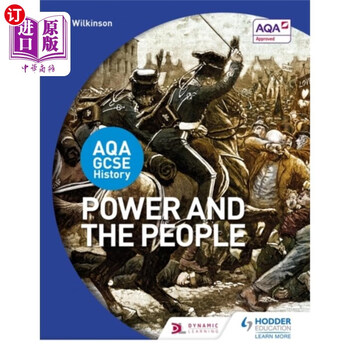
海外直订AQA GCSE History: Power and the People AQA GCSE历史:权力与人民¥359.0📱 去京东购买京东精选


需要一对一辅导?Need One-on-One Tutoring?
A-Level / GCSE / IB / KS2-KS3 全科辅导
16621398022 同微信
Visit aleveler.com
或截图后用「扫一扫 → 相册」选择本图