AQA化学 离子键 共价键 金属键 结构性质
AQA 的化学卷子里,bonding 很少单独占一道大题,它藏在每道解释题的背后。学生答不出为什么镁的熔点比钠高,讲不清石墨为什么能导电,多数时候不是知识点没背,而是没把结构、粒子之间的作用力、宏观性质这三层接上。下面按 AQA 8462 第 4.2 节的顺序,把离子键、共价键、金属键和几种典型结构走一遍,重点放在电子式书写和解释题给分点上。
Bonding questions rarely appear as a standalone question in AQA papers. They sit behind explanations: why magnesium melts far above sodium, why graphite conducts while diamond does not. Most lost marks come from a missing link between structure, the forces between particles, and the property being asked about. The notes below follow the running order of AQA specification 8462 section 4.2 and finish with the wording that mark schemes actually reward.
离子键 电子转移与巨型离子晶格
金属原子失去最外层电子,非金属原子得到电子,双方变成带相反电荷的离子,静电吸引把离子按固定比例排成巨型晶格。氯化钠里每个钠离子周围有六个氯离子,整个晶体没有单独的分子。氧化镁带二价电荷,离子半径又小,静电吸引强过氯化钠,熔点高出一大截。AQA 8462 的 4.2.1 要求能由原子结构推出离子电荷,并在点叉图里用方括号把电荷标在右上方。
数电子时按 2、8 的层次来:钠原子是 2,8,1,丢掉最外层那个电子变成 2,8 的钠离子,氯原子 2,8,7 得到一个电子把第三层补满。镁 2,8,2 丢两个,氧 2,6 得两个,两边都达到稀有气体结构。离子晶体受力时会沿某一层错开,同号离子被挤到一起互相排斥,所以它硬却脆,敲一下就从某个面裂开,这一点和金属正好相反。
An ionic bond forms when a metal atom transfers outer-shell electrons to a non-metal. The resulting ions pack into a giant lattice held by electrostatic attraction, with no discrete molecules anywhere in the solid. In sodium chloride each sodium ion sits among six chloride ions; in magnesium oxide the 2+ and 2- charges sit closer together, so the attraction is stronger and the melting point rises from 801 to 2852 degrees Celsius. The specification expects students to deduce charges from electron configuration and to place them outside square brackets on dot-and-cross diagrams.
共价键 共享电子对与简单分子
两个非金属原子各出一个电子,配成一对共享电子,这对电子被两个原子核同时吸引,共价键就这样形成。氢分子只有一对共享电子,水分子有两对氧氢键,氮分子有三对,键能依次变强。简单分子的分子之间只有微弱的分子间力,熔化时断开的是这些力,不是共价键,所以熔沸点低,固态和液态都不导电。
考试里画甲烷最容易画错,碳周围要凑够四对电子,每个氢各一对,四对之间互相排斥,夹角接近 109 度。二氧化碳是两对双键,碳上没有孤对电子。用键长也能反过来验证结构,同样的两个原子之间,双键比单键短,三键最短,键越短通常越难断开。
A covalent bond is a shared pair of electrons attracted by two nuclei. Hydrogen has one shared pair, water has two O-H bonds, nitrogen has three, and bond enthalpy climbs in that order. In a simple molecular substance the molecules are held to each other only by weak intermolecular forces, so melting breaks those forces rather than covalent bonds. That is why melting points stay low and why such substances do not conduct electricity in any state.
金属键 离域电子解释导电与延展
金属阳离子整齐排列,外层电子脱离原子成为离域电子,在整个结构里自由移动。层与层之间可以滑动而不断裂,所以金属有延展性,能拉成丝、压成片。离域电子在外加电压下定向移动,导电性随温度升高而下降,因为阳离子振动加剧,阻碍电子通过。合金掺入半径不同的原子,层不容易滑动,硬度随之提高。
熔点高低可以按阳离子的电荷和半径排:电荷越高、半径越小,静电吸引越强,镁的熔点高于钠,铝又高于镁。金属导电不靠离子移动,阳离子只在自己的位置振动,真正跑的是离域电子,这和熔融离子化合物的导电机理完全不同。
In a metal the cations sit in a regular array with delocalised electrons moving between them. Layers slide over one another without fracturing, which is why metals can be drawn into wire or rolled into sheet. Delocalised electrons drift under an applied voltage, and conductivity falls as temperature rises because the vibrating cations scatter them more often. Alloying with atoms of a different radius disturbs the layers and raises hardness, which is the whole point of steel over pure iron.
结构与性质 熔点 导电性 溶解性
判断一种物质的性质,先看粒子是什么,再看粒子之间是什么作用力,最后看这种力有多强。离子化合物靠静电吸引,熔沸点高,固态不导电,熔融或溶于水后离子可以移动,于是导电。简单分子晶体靠分子间力,熔沸点低,通常不导电。巨型共价结构靠共价键连成三维网络,熔点极高,一般不导电,石墨是例外。
溶解度常被跳过去,其实它也能由结构推出来。离子化合物溶于水,是水分子把离子一个个从晶格上拉走,晶格太牢、离子太小的盐就难溶。简单分子多数不溶于水而易溶于有机溶剂,因为拆开水分子之间的氢键比拆开分子间力更费劲。
Three questions settle most property questions: what the particles are, what force holds them together, and how strong that force is. Ionic compounds are held by electrostatic attraction, so they melt high, do not conduct as solids, and conduct once molten or dissolved because the ions become free to move. Simple molecular solids are held by intermolecular forces and melt low. Giant covalent structures are held by a continuous covalent network, melt very high, and normally do not conduct, with graphite as the standing exception.
巨型共价结构 金刚石 石墨 二氧化硅
金刚石里每个碳原子与另外四个碳原子形成正四面体,全部是单键,要熔化就得断开大量共价键,所以硬度最大,用作切割材料。石墨里每个碳只与另外三个碳成键,形成六边形层,第四个电子离域在层间,因此石墨软、能导电、可作电极和润滑剂。二氧化硅的结构与金刚石类似,每个硅原子连四个氧原子,熔点同样很高。
比硬度不要只数键的条数,还要看键在三维方向上有没有铺开。金刚石和二氧化硅都是三维网络,石墨只在层内成键,层与层之间靠微弱作用力,所以能用指甲划出痕迹。C60 是另一类,球内是共价键,球与球之间只有分子间力,熔点低得多,还能溶在苯里。
Every carbon in diamond is bonded to four others in a tetrahedral network of single bonds, so melting means breaking a very large number of covalent bonds, and the result is extreme hardness. In graphite each carbon bonds to three others in hexagonal layers while the fourth electron is delocalised between layers, which makes graphite soft, conductive, and useful as an electrode or lubricant. Silicon dioxide mirrors diamond, with each silicon bonded to four oxygens, and shares the same very high melting point.
小分子与聚合物 分子间力的分量
聚乙烯的链很长,链与链之间的分子间力累加起来很可观,熔点比乙烷高得多,但它仍然属于简单分子结构,熔融状态不导电。分子间力的大小随分子体积和极性变化,氯甲烷比甲烷更容易液化,就是极性带来的差别。判断熔点高低时,先比分子大小,再比极性,最后看有没有氢键。
A long polyethylene chain accumulates enough intermolecular contact to melt well above ethane, yet it remains a simple molecular substance and stays non-conducting when molten. The strength of these forces tracks molecular size and polarity, which is why chloromethane liquefies more readily than methane. When comparing melting points, compare size first, then polarity, and only then look for hydrogen bonding.
点叉图与电子式的常见错误
很多学生以为离子键和共价键的区别在于有没有共享电子,于是在氯化钠的点叉图里把电子画到两个原子中间,直接丢掉结构分。常见的错误是漏标离子电荷、忘画方括号、只把共享电子画在其中一个原子周围。阅卷时看的就是这三处,电荷错一个,整张图的分就没了。画之前先数最外层电子,再决定哪些电子转移、哪些共享。
动笔之前先把每个原子的最外层电子数列出来,再决定哪个转移、哪个共享,画完回头数一遍每个离子的电子数是不是稀有气体结构。带电荷的离子一定加方括号,电荷写在方括号外侧右上方;共价分子的共享电子对画在两个原子核之间,或者画在重叠区域里。
A very common mistake is treating ionic bonding as shared electrons, then drawing sodium chloride with an electron pair sitting between the two atoms. Marks go missing for absent charges, missing square brackets, and shared pairs drawn around only one nucleus. Before drawing anything, count the outer electrons and decide which ones transfer and which ones are shared; the diagram then follows almost automatically.
六分解释题 结构 作用力 性质三段式
AQA 的解释题按点给分,答案通常要落在三处:描述结构类型,指出具体的作用力,再连到题目问的性质。写因为键很强往往拿不到分,因为没有说清是哪种键、哪种力、断的是哪一层。比较题要把两边都写出来,只说镁的熔点高而没说钠那边靠什么力,只能得一半。写完后回读一遍,确认每个化学名词都对应到了题目里的物质。
一个能拿满分的句子长这样:氯化钠由钠离子和氯离子之间的静电吸引构成巨型离子晶格,熔化时必须克服这些吸引,所以熔点很高。句子不长,结构、作用力、性质三样都在,评分标准能逐条对上。
Mark schemes for explanation questions usually award marks for naming the structure, naming the force, and linking both to the property asked about. Saying the bonds are strong earns nothing unless the answer states which bonds or forces are broken. Comparison questions need both sides spelled out: giving magnesium a high melting point without saying what holds sodium together usually scores half. Read the answer back and check that every chemical term names the substance in the question.
与电解实验的衔接 熔融导电
固态离子化合物不导电,因为离子被固定在晶格里。加热到熔融,离子获得自由,接通直流电就能电解,AQA 要求的电解实验正是用这个原理。电解熔融的氯化铅时,阴极析出铅,阳极放出氯气,两端的产物都能用现象确认。答题时把熔融和溶解分开写,溶于水导电的原因是离子被水分子分开,不是加热。
A solid ionic compound does not conduct because the ions are locked in the lattice. Heat it until it melts and the ions become mobile, which is exactly what the required electrolysis practical relies on. Electrolysing molten lead bromide deposits lead at the cathode and releases bromine at the anode, and both products can be identified by observation. Keep molten and dissolved separate in written answers: water frees the ions by hydrating them, not by heating.
四周复习节奏与真题用法
头两周把 4.2 节的每一类结构各画一遍点叉图,画完对照课本封面和评分标准,重点是电荷和方括号。中间一周集中做近五年的解释题,按结构、作用力、性质三段整理成一个表格,做完再回头查漏。最后一周掐时间做整套卷子,Paper 1 与 Paper 2 各一份,重点看自己漏写作用力的题。复习时不要把结构和性质分成两章背,它们本来就是同一道题的上下半句。
Spend the first fortnight drawing dot-and-cross diagrams for one example of each structure type, checking charges and brackets against the textbook and mark scheme. The middle week belongs to explanation questions from the last five years of papers, sorted into structure, force, and property columns so gaps become visible. Finish with timed full papers, one Paper 1 and one Paper 2, and mark them for the force you forgot to name. Structure and properties are two halves of the same answer, so revising them apart makes both harder.
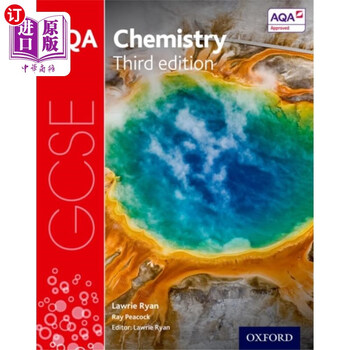
海外直订AQA GCSE Chemistry Student Book AQA GCSE化学学生手册¥588.0📱 去京东购买京东精选

需要一对一辅导?Need One-on-One Tutoring?
A-Level / GCSE / IB / KS2-KS3 全科辅导,中英双语授课
16621398022 同微信
Visit aleveler.com
或截图后用「扫一扫 → 相册」选择本图