AQA物理 能量守恒 比热容 功率 效率
能量这一章看起来概念少,真正动手算的时候却处处是坑。AQA 把 4.1 放在整个 GCSE Physics 的第一块,后面电学、物质模型、力学都要回头用它。这篇按 spec 的四个小节顺序走一遍,把该背的式子、该说的措辞、两个必做实验的操作细节和常见失分点都落到具体位置。读完可以拿一张纸,把每个式子后面跟一个自己算过的例子,比通读三遍课本管用。
Energy looks like a short topic until the calculations start, because almost every later unit in AQA GCSE Physics borrows the same vocabulary and the same equations. This walk through section 4.1 follows the specification order, fixes the wording examiners expect, and pairs each relationship with a worked figure so the arithmetic can be checked rather than memorised.
系统与能量库怎么数
AQA 的 4.1.1.1 把系统定义成一个物体或一组物体。系统一变,能量的存储方式就跟着变,所以答题时先把系统框出来再去数能量库。官方 spec 给的五个情境很典型:物体向上抛出、运动物体撞上障碍物、物体被恒定力加速、车辆减速、电水壶把水烧开。只写一句最终能量形式往往拿不到分,阅卷时看的是转移路径是否完整。很多学生以为写出结果词就算答完,其实中间那一步才是给分点。常见的错误是把能量被消耗了当成解释,物理上只能说能量转到别的库或散到周围。写答案的顺序建议是原来在哪个库、通过什么方式转移、最后停在哪个库。
AQA treats a system as an object or a group of objects, and any change to that system shows up as a change in how energy is stored. The specification names five situations students should describe in full, from a ball thrown upwards to water boiled in a kettle, because the marks sit in the transfer path rather than in a single label. Saying that energy was used up earns nothing, since the accepted wording is that it moved to another store or dissipated to the surroundings, and a three step answer of before, mechanism, after covers most mark schemes.
动能为什么对速度平方敏感
动能的式子是 Ek = 0.5 × m × v²,AQA 的 spec 写明这个式子要能 recall 并应用。0.5 kg 的球以 4 m/s 运动,动能是 0.5 × 0.5 × 16 = 4 J。速度翻倍到 8 m/s,动能变成 16 J,是原来的四倍。质量翻倍只让动能翻倍,两者的差别正是计算题最常设的陷阱。单位必须先换成 kg 与 m/s,36 km/h 要除以 3.6 得到 10 m/s 才能代入。这一步最容易在考场上被跳过,因为题目给的往往是 km/h。很多学生以为 0.5 是可有可无的系数,漏掉之后答案正好差一倍。
Kinetic energy is one half times mass times speed squared, and the AQA specification asks students to recall and apply that equation rather than look it up. A 0.5 kg ball travelling at 4 m/s carries 4 J, while doubling the speed to 8 m/s lifts the figure to 16 J because the square does the work. Units cause most of the damage, since a speed quoted in km/h has to be divided by 3.6 first, and dropping the half leaves an answer that is exactly twice too large.
重力势能与 g 的取值
重力势能的式子是 Ep = m × g × h,AQA 的 spec 明确写这个式子会印在 Physics equation sheet 上。g 的数值在题目里会给,通常是 9.8 N/kg,不需要自己记。2 kg 的书从桌面抬到高 3 m 的架子,Ep = 2 × 9.8 × 3 = 58.8 J,写成 59 J 也接受。h 取的是高度差,不是离地高度,题目给出两个高度时要相减。系统里既有动能又有势能时,两段相加才是总能量。常见的错误是把质量当成重量,kg 与 N 混用之后整题数值都偏掉。
Gravitational potential energy is mass times gravitational field strength times height, and AQA states that this version is printed on the Physics equation sheet with the value of g supplied in the question. Lifting a 2 kg book from a desk to a shelf 3 m higher stores 2 times 9.8 times 3, which is 58.8 J. The height must be the difference between the two levels rather than a reading taken from the floor, and mixing kilograms with newtons throws every later line out.
弹性势能与弹簧常数
弹性势能的式子是 Ee = 0.5 × k × e²,k 是弹簧常数,单位 N/m,e 是伸长量,单位 m。这个式子同样要能 recall,spec 还注明前提是没有超过弹性限度。一根 k = 200 N/m 的弹簧拉长 0.1 m,储能是 0.5 × 200 × 0.01 = 1 J。伸长量从 0.1 m 变成 0.2 m,能量变成 4 J,仍然是平方关系在起作用。厘米要先除以 100,20 cm 写成 0.2 m 再代入。很多学生以为弹簧越硬储能越少,其实 k 越大,同样伸长量下储能越多。
Elastic potential energy follows the same half times constant times extension squared pattern, with the spring constant in newtons per metre and the extension in metres. AQA adds the condition that the limit of proportionality has not been exceeded, so the spring must still obey Hooke's law for the calculation to hold. A spring of 200 N/m stretched by 0.1 m stores 1 J, and doubling the extension to 0.2 m takes that to 4 J rather than 2 J.
功是力沿位移做的转移
做功的式子是 W = F × s,s 是沿力的方向走过的距离,单位分别是 N 与 m,乘积就是 J。100 N 的推力把箱子沿地面推 6 m,做功 600 J,这部分能量进了箱子的动能库,摩擦再把一部分转成热。力与位移垂直时这个力不做功,所以提着箱子水平走时重力没有贡献。做功和能量转移是同一件事的两种说法,AQA 的 4.1.1.1 把它们并列写在一起。常见的错误是在斜面题里直接用力乘斜面长度,却没有确认力是否沿斜面方向。判断方向这一步花十秒,能省掉后面重算。
Work done is force multiplied by the distance moved along the line of action of that force, so newtons times metres give joules. Pushing a box 6 m with 100 N transfers 600 J, part of which ends up in the kinetic store and part in the thermal store through friction. A force acting at right angles to the motion does no work at all, which is why carrying a bag horizontally adds nothing to its energy, and on a slope the component along the surface is the one that counts.
比热容与温度变化
温度变化吸放热的式子是 ΔE = m × c × Δθ,c 是比热容,单位 J/kg°C,AQA 的 spec 说明这个式子也在 equation sheet 上。比热容的定义是让 1 kg 物质升温 1°C 所需的能量,水的数值约 4200 J/kg°C,金属通常只有几百。0.5 kg 水升温 20°C,需要 0.5 × 4200 × 20 = 42000 J。同样的能量给等质量的铝块,温升会大得多,这就是海边昼夜温差小的原因。Δθ 只看差值,从 18°C 升到 38°C 就是 20°C,不必加 273。很多学生以为开氏温标必须换算,其实温差在两种温标下完全相同。
The energy needed to change a temperature is mass times specific heat capacity times temperature change, and AQA lists this equation on the sheet handed out in the exam. Specific heat capacity is the energy required to raise 1 kg of a substance by 1 degree Celsius, so water at roughly 4200 J/kg°C needs far more than the same mass of metal. Half a kilogram of water warmed by 20 degrees absorbs 42000 J, which is why coastal towns show smaller day to night temperature swings than inland ones.
必做实验一 测比热容
AQA 的 Required practical 1 要求测定一种或多种材料的比热容。做法是称出金属块质量,插入温度计与加热器,记录加热器功率和通电时间,用 E = P × t 算出输入能量。温度要等读数稳定后再取,加热过程中保持接触良好。取最大温升代入 c = E / (m × Δθ),例如 45 W 加热 80 s、0.5 kg 铝块升温 8°C,c = 3600 / 4 = 900 J/kg°C。装置要包保温层,否则散到周围的热会让结果偏小。这一步最容易忽略的是热损失,题目问误差来源时先写它。很多学生以为读数越快越好,其实温度计没稳定就记录,误差比热损失更大。
Required practical 1 asks students to determine the specific heat capacity of one or more materials by linking the energy supplied to the temperature rise it produces. The block is weighed, a heater and a thermometer are inserted, and power multiplied by time gives the energy input, which is then divided by mass and temperature change to give the specific heat capacity. Insulation matters because heat lost to the room makes the calculated value too low, while a thermometer read before it settles adds a second error that is often larger than the first.
功率是能量转移的速率
功率的定义是能量转移或做功的速率,P = E / t,也可以写成 P = W / t,AQA 要求两个式子都要能 recall。1 J 的能量在 1 s 内转移,功率就是 1 W,这个换算在比较电器时最常用。60000 J 在 300 s 内转移,功率是 200 W。两台电机把同样的重物提到同样的高度,用时短的功率大,做的功却相同。题目常把功与功率混着问,先看单位是 J 还是 W 再动笔。很多学生以为功率大就做功多,其实功率只说明快慢。把这两个量分开记,后面电功率那一章会轻松很多。
Power is the rate at which energy is transferred or work is done, and AQA expects both forms of the equation to be recalled, one using energy and one using work done. One joule transferred in one second is one watt, so 60000 J spread over 300 s gives 200 W. Two motors lifting the same load to the same height do identical work, yet the faster one has the greater power, which is exactly the distinction that exam questions keep probing.
效率与有用输出
效率等于有用输出能量除以总输入能量,也可以用有用功率除以总输入功率。AQA 的 spec 说两个式子都要能 recall,答案写小数或百分比都接受。输入 1200 J、有用输出 900 J,效率是 0.75,也就是 75%,剩下 300 J 大多散到周围。效率不可能超过 1,算出 1.2 就说明分子分母搞反了。提高效率的做法属于 HT 要求,常见的是减少摩擦与减少散热。常见的错误是把浪费的能量从总输入里减掉后再算比例,分母必须是总输入而不是有用部分。
Efficiency compares the useful output with the total input, whether measured in energy or in power, and AQA accepts the answer as a decimal or as a percentage. An appliance taking 1200 J and delivering 900 J of useful energy is 75 percent efficient, with the remaining 300 J mostly dissipated to the surroundings. A figure above 1 means the fraction has been inverted, and the denominator always stays the total input rather than the useful part.
耗散与减少不必要的转移
能量可以有用转移、储存或耗散,但不能创生也不能消灭,这是 AQA 4.1.2.1 的核心表述。耗散指能量进入更难利用的库,通常是周围环境的热,说能量消失了会被扣分。减少不必要转移的两个官方例子是润滑和保温:润滑降低摩擦,保温降低传导。导热率越高的材料,通过传导转移能量的速率越快,spec 说明不需要背导热率的定义。墙越厚、导热率越低,房子冷却得越慢。回答这类题要把材料和作用机制对应起来,只写保温好通常拿不到满分。
Energy may be transferred usefully, stored or dissipated, but it is never created or destroyed, so an answer claiming that energy disappeared loses the mark. Lubrication cuts friction while insulation slows conduction, and the specification only asks for the idea that higher thermal conductivity means a faster rate of transfer, not a formal definition. Thicker walls of lower conductivity keep a building warm for longer, and pairing each material with the mechanism it changes is what separates a full mark answer from a vague one.
必做实验二 保温材料
Required practical 2 只出现在物理单科,任务是比较不同材料作为保温层的效果。做法是用相同容器装同体积、同初温的热水,包上不同材料,每隔固定时间记录温度。要控制变量:水量、起始温度、环境温度、容器形状都保持一致,只改材料这一个因素。用降温曲线比较斜率,斜率小的保温更好。想进一步研究影响因素,可以改材料厚度或包裹层数。很多学生以为材料越厚一定越好,实际超过一定厚度后改善会变得很小。这一步最容易在记录间隔上出错,间隔不统一就没法直接比较。
Required practical 2, which appears in the physics specification only, compares materials used as thermal insulators. Identical containers hold the same volume of water at the same starting temperature, each is wrapped in a different material, and the temperature is logged at fixed intervals so the cooling curves can be compared. Only the material should change between runs, and uneven time intervals make those curves impossible to compare fairly.
国家与全球能源资源
AQA 4.1.3 列的能源包括化石燃料(煤、石油、天然气)、核燃料、生物燃料、风能、水电、地热、潮汐、太阳能和波浪能。可再生能源指使用过程中能被补充的资源,化石燃料与核燃料不属于这一类。用途分三类:交通、发电、供暖。可靠性要看能否按需供电,燃气与核电站可控,风电与太阳能受天气影响。环境影响的比较要写到具体项,例如燃烧化石燃料排放二氧化碳。spec 明确说不考各资源如何发电的细节,答题时不必花篇幅描述涡轮机结构。比较题写成两个资源各一条优点一条缺点最省时间。
The specification lists fossil fuels, nuclear fuel, bio-fuel, wind, hydro-electricity, geothermal, tides, the Sun and water waves, with renewables defined as resources replenished as they are used. Reliability separates gas and nuclear, which can be turned up on demand, from wind and solar, whose output depends on the weather. Environmental comparisons need named effects such as carbon dioxide from burning fossil fuels, and detailed descriptions of how each plant generates electricity are explicitly not required.
单位换算与答题语言
能量题丢分大多不在公式,而在单位与措辞。质量用 kg,长度用 m,速度用 m/s,时间用 s,功率用 W,任何一项换成 g、cm 或分钟都会让结果差几个数量级。答案的有效数字一般给两到三位,中间过程不要提前四舍五入。描述类题目要用能量库的名称,别写模糊的热能,AQA 更认可 thermal store 这个说法。写能量损失时补一句它去了哪里,例如散到周围空气。阅卷时看到的典型答案只写数字不带单位,这种在计算题里会丢掉最后一分。
Most lost marks in energy questions come from units and wording rather than from the equation itself, since grams, centimetres and minutes all shift the answer by powers of ten. Two or three significant figures are expected, with rounding left until the final line of working. Descriptions should name the store, such as the thermal store of the surroundings, and a bare number without a unit frequently drops the final mark of a calculation.
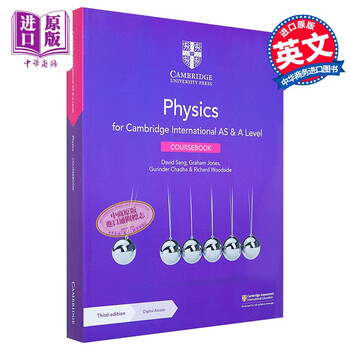
Cambridge International AS ALevel Physics Coursebook 正版剑桥国际AS ALevel考试物理教材带线上账号 英文原版¥557.0📱 去京东购买京东精选


需要一对一辅导?Need One-on-One Tutoring?
A-Level / GCSE / IB / KS2-KS3 全科辅导
16621398022 同微信
Visit aleveler.com
或截图后用「扫一扫 → 相册」选择本图