OCR GCSE数学 Number 位值 标准形式 误差区间
OCR 的 GCSE 数学(9 到 1)资格代码是 J560,每个年级段考三张卷,每张 100 分、1 小时 30 分钟,各占 33⅓%。这一点与 AQA、Edexcel 的每张 80 分、总分 240 不同,OCR 的总分是 300 分。OCR 官网在 specification at a glance 页面上还写明一件容易被忽略的事:非计算器卷是中间那张,Foundation 是 Paper 02(J560/02),Higher 是 Paper 05(J560/05),前后两张都允许用计算器。
Number 是整份卷子的地基,DfE 公布的 GCSE 数学科目内容把它排在 3.1,Ofqual 规定的板块权重是 Foundation 25%、Higher 15%。下面按 OCR 卷面真正会出现的顺序,把位值、分数、标准形式、误差区间与度量换算串一遍。
OCR's GCSE Mathematics (9 to 1) is specification J560, and every candidate sits three papers of 100 marks and 1 hour 30 minutes, each worth 33⅓ per cent. That gives a 300 mark qualification, whereas AQA and Edexcel use three papers of 80 marks for 240. The OCR specification at a glance page also confirms a detail students miss: the non-calculator paper is the middle one, J560/02 at Foundation and J560/05 at Higher, with a calculator permitted on the two papers either side.
Number underpins the rest of the paper; it sits in section 3.1 of the DfE subject content and carries 25 per cent at Foundation and 15 per cent at Higher under Ofqual's weighting. The sections below follow the order these ideas actually appear on an OCR paper.
位值、数轴与比较符号
位值决定每个数字值多少,小数点后第一位是十分位,第二位是百分位。比较两个小数时,先把它们写到同一位数,再逐位从左往右比。0.45 与 0.405 的比较就是典型例子,写成 0.450 与 0.405 才看得清。很多学生以为小数位越多数值越大,看到 0.405 比 0.45 长就判它更大。符号方面,OCR 卷面会要求用 =、≠ 以及四个不等号书写结论,≤ 与 ≥ 要看清是否含端点。数轴是判断正负数大小的最稳工具,负得越多值越小。答题时把不等式写完整,只写一个数字通常不给分。
Place value decides what each digit is worth, so the first digit after the decimal point counts tenths and the second counts hundredths. Comparing decimals is safest when both numbers are written to the same number of places, which turns 0.45 against 0.405 into 0.450 against 0.405 and removes the doubt. Many students assume a longer decimal must be larger, and that instinct costs them the mark; inequality symbols must also be copied exactly, since dropping or adding the equals sign changes the answer.
整数与小数的书面竖式运算
没有计算器时,长乘法与长除法必须能一次写对。小数乘法先把两个数当整数算,最后按两个因数的小数位总数点小数点。小数除法把除数与被除数同时放大,把除数变成整数再算。常见的错误是小数点位置错一位,结果差十倍而自己看不出来。写完用估算回看一眼数量级,是最快的自检。OCR 每张卷 100 分,方法与答案分开给分,竖式过程写清楚比只写答案更安全。商的中间位出现零时不要漏写,这个位置最容易丢分。
Without a calculator, long multiplication and long division have to be right first time. For decimals, multiply as if both numbers were whole, then place the point using the total number of decimal places in the factors; for division, scale both numbers until the divisor is a whole number. Students most often misplace the point by one place and lose a factor of ten without noticing, so a quick estimate of the size of the answer is the fastest check available to them.
负数运算与运算顺序
运算顺序固定为括号、指数、乘除、加减,同级从左往右。负数的乘法与除法同号得正,异号得负。减号后面跟负数时,两个符号会合成加号。指数只作用于紧挨着它的那个数,负三的平方是九,而负的三的平方是负九,写法差一个括号结果完全不同。很多学生以为这两种写法一样,这是 OCR 卷面上最典型的失分点。分数形式的除法要先把除号上下的式子各自算完再除,不要中途约分跳步。
The order of operations is fixed: brackets, indices, then multiplication and division, then addition and subtraction, working left to right at equal priority. Multiplying or dividing two negatives gives a positive, and a minus sign in front of a negative number collapses into addition. Indices bind only to the number they touch, so a negative sign outside the bracket stays outside; that single bracket is where most marks disappear on this kind of question.
质因数分解、HCF 与 LCM
质数是只能被 1 和自身整除的数,2、3、5、7、11 这些都要熟。分解质因数一直除到全是质数为止,再用指数形式写紧凑。60 分解成 2 的平方乘 3 乘 5,这个写法比列出四个因子更省时间。最大公因数取公共质因数的较小指数,最小公倍数取所有出现过的质因数的较大指数。两个数时可以用最大公因数乘最小公倍数等于两数之积来验算。三个数时这条关系不成立,别照搬。常见的错误是把公因数与公倍数搞反,题问 LCM 却答了 HCF。
A prime number divides only by 1 and itself, and the small primes up to about 30 should be automatic. Factorising means dividing until every factor is prime, then collecting repeats into index form. The highest common factor takes the lower power of each shared prime, while the lowest common multiple takes the highest power of every prime present; for two numbers the product of the HCF and LCM equals the product of the numbers, which is a useful check.
分数四则运算与带分数化简
分数加减先通分,分母相同才能加分子。乘法直接分子乘分子、分母乘分母,先约分再乘更省力。除法是把第二个分数倒过来再乘,这一步最容易被跳过。带分数要先化成假分数,否则整数部分会被漏乘。答案要写成最简分数,题目要求带分数时再转回去。常见的错误是除法时不倒转,直接把分子相除。比较分数大小时统一分母或用小数,不要凭分子大小判断。
Adding and subtracting fractions needs a common denominator first, because only then can the numerators be combined. Multiplication is straightforward, and cancelling before multiplying keeps the numbers small; division means multiplying by the reciprocal, a step students skip under time pressure. Mixed numbers must be converted to improper fractions first, since the whole part otherwise escapes the multiplication and the answer is wrong by a whole unit.
分数、小数、百分数的互换与排序
八分之一是 0.125,八分之三是 0.375,这些常见等值要记住。三分之一化成小数是 0.333 循环,写在卷面上要保留省略号或按要求取近似。排序题统一换成小数最快,换成百分数也可以,关键是同一题里只用一种形式。终止小数与分数的互化是 Foundation 与 Higher 都要考的内容。循环小数化成分数属于 Higher 要求,用设 x 再乘十相减的方法。很多学生以为百分数一定比分数大,这是形式混淆,不是数值判断。写答案时看清题目要求的形式,要求分数就别给小数。
Common equivalents such as one eighth as 0.125 and three eighths as 0.375 are worth memorising, and one third becomes 0.333 recurring. Ordering questions are fastest when every value is converted to the same form, usually decimals, because mixing fractions and percentages invites comparison errors. Terminating decimals convert to fractions at both tiers, while recurring decimals to fractions sits in the Higher tier and is handled by setting x and subtracting a shifted version.
百分数乘数法与反向百分数
增加 15% 用乘 1.15,减少 12% 用乘 0.88,一步到位比先算增减再加减快。连续两次变化把乘数连乘,不要先算出一个中间结果再四舍五入。反向百分数求原价,用现价除以乘数,例如八折后 64 元,原价是 64 除以 0.8。复利用本金乘乘数的 n 次方,n 是年数。很多学生以为先涨 20% 再降 20% 能回到原价,实际只剩原来的 0.96。常见的错误是反向百分数里用现价加上或减去百分数,方向搞反。
A percentage change is quickest as a single multiplier, so an increase of 15 per cent is a multiplication by 1.15 and a decrease of 12 per cent is a multiplication by 0.88. Successive changes multiply together, and rounding an intermediate value spoils the final answer, so keep the exact figure until the last step. Reverse percentage problems divide by the multiplier; a rise then an equal fall never returns to the starting value, which is a favourite trap.
标准形式与计算器显示
标准形式写成 A 乘 10 的 n 次方,其中 A 大于等于 1 且小于 10,n 是整数。0.00042 要写成 4.2 乘 10 的负 4 次方,前面系数必须落在 1 与 10 之间。乘法把系数相乘、指数相加,除法把系数相除、指数相减。计算器上显示 4.2E-4 就是同一个数,E 后面是 10 的指数。常见的错误是写成 42 乘 10 的负 5 次方,数值对但不符合标准形式,判分时按未化简处理。加减法要先化成同一指数才能合并系数。写答案时指数与系数的正负号都别漏。
Standard form writes a number as A times 10 to the power n, with A at least 1 and strictly below 10 and n a whole number. Multiplication multiplies the coefficients and adds the indices, while division subtracts them, and a calculator display such as 4.2E-4 is the same number with the index after the E. Writing 42 times 10 to the power minus 5 is numerically equal but not in standard form, so it loses the mark for form.
误差区间与上下界的写法
四舍五入到最近的 10,误差是半个单位,也就是 5。误差区间用不等式写,下端含等号、上端不含,因为刚好卡在边界上的数会往上进位。上界等于给出的值加半个单位,下界等于给出的值减半个单位。截断只往一个方向丢位,区间因此只有一侧变化,这一点与四舍五入不同。很多学生以为两种取整方式算出的区间一样,实际截断的下界就是原值。用区间做最坏情况计算时,最大可能答案要用最大的分子配最小的分母。
Rounding to the nearest 10 introduces an error of half a unit, so the interval runs from five below to five above, with the lower end included and the upper end excluded because a value exactly on the boundary rounds up. The upper bound adds half a unit and the lower bound subtracts it, and truncation behaves differently because it only ever moves in one direction. Worst case calculations combine the largest possible numerator with the smallest possible denominator.
估算:先取一位有效数字再算
估算的做法是把每个数取一位有效数字,再心算。48.7 乘 3.2 取成 50 乘 3,得到 150,真实答案在 150 附近。除法估成能整除的数最省事,把 38.6 除以 4.1 取成 40 除以 4,得到 10。估算的主要用途是检查计算器结果的数量级,而不是代替精确计算。写答案时要保留题目要求的有效数字或小数位,估算值不能直接当最终答案。常见的错误是估完就交,忘了回到精确计算。题目问是否合理时,要写出比较过程而不是只写一个是字。
Estimation means rounding every number to one significant figure and working mentally, so 48.7 times 3.2 becomes 50 times 3 and lands near 150. Division is easiest when both numbers are rounded to something that divides exactly, and the point of the estimate is to check the order of magnitude of a calculated answer rather than replace it. Questions asking whether an answer is reasonable expect the comparison to be shown, not just a yes.
度量单位换算与复合度量
长度换算 1 千米等于 1000 米,1 米等于 100 厘米。面积换算要平方,1 平方米等于 10000 平方厘米。体积换算要立方,1 立方米等于一百万立方厘米,1 升等于 1000 立方厘米。换算方向搞反是最常见的失分点,大单位换小单位用乘。复合度量里速度等于距离除以时间,密度等于质量除以体积,单位价格用总价除以数量。英制与公制的换算系数题目会给,不用背。结果要带单位,只写数字按不完整处理。
Length conversions run in thousands and hundreds, but area conversions square the factor and volume conversions cube it, so one square metre is ten thousand square centimetres and one cubic metre is a million cubic centimetres. Students most often multiply when they should divide, and the safe rule is that converting to a smaller unit multiplies. Compound measures such as speed, density and unit price are all one quantity divided by another, and the unit must travel with the number.
无计算器卷的 100 分时间分配
OCR 三张卷都是 100 分、90 分钟,平均每题不到一分钟一分。看到卡住的题先跳过,做完再回头,后面的题往往更好拿分。写答案前先看题目要求的形式,是分数、小数还是有效数字。阅卷时方法分与答案分是分开的,过程写出来就有机会拿分。收卷前留五分钟检查单位、正负号与小数位。复核时用估算再算一遍数量级,比重新算一遍快。题目里出现计算器键位描述时,说明这张卷允许用计算器,别把两套规则混在一起。
Three papers of 100 marks in 90 minutes works out at under a minute per mark, so pacing matters more than on other boards. A stuck question should be left and revisited, because later parts of a paper are often more accessible than the one that blocked progress. Marks for method are awarded separately from the final answer, so written working earns credit even when the arithmetic slips.
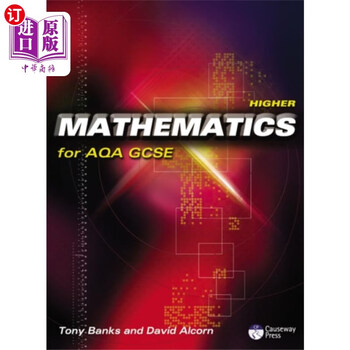
海外直订Higher Mathematics for AQA GCSE 高等数学AQA GCSE¥645.0📱 去京东购买京东精选
需要一对一辅导?Need One-on-One Tutoring?
A-Level / GCSE / IB / KS2-KS3 全科辅导
16621398022 同微信
Visit aleveler.com
或截图后用「扫一扫 → 相册」选择本图