KS3历史 诺曼征服 封建 黑死病 玫瑰战争
KS3 历史的中世纪单元覆盖 1066 年到 1485 年这四百多年,gov.uk 公布的国家课程把它写作 Medieval Britain 1066-1509。很多学生以为这一段只是背年份和国王名字,其实它要回答的是权力怎么建立、怎么被限制、又怎么在瘟疫与战争中松动。诺曼征服改变了土地归属,封建制度把土地与效忠绑在一起,教会掌握识字与救济,王权在法律与议会里慢慢被框住。1348 年的黑死病打乱了人口与工资,1381 年的农民起义把底层的不满摊到台面上。这篇文章按十二个知识点拆开,每个点都给时间、术语与可以写进答案的因果链。
The medieval strand of the KS3 History curriculum runs from the Norman Conquest to the end of the Wars of the Roses, and exam boards label it Medieval Britain 1066-1509. Pupils are expected to explain how royal power was built, limited and finally shaken by plague and war, not simply to memorise a list of kings. This article works through twelve knowledge points, each with dates, key terms and the causal chains that examiners reward.
1066年的三王争位与两场战役
到了 1066 年一月,忏悔者爱德华去世,没有留下明确的成年继承人。哈罗德·戈德温森被贤人会议推为王,但诺曼底公爵威廉声称爱德华曾许诺王位。挪威国王哈拉尔·哈德拉达也从北方进攻,理由是旧约与丹麦王族的血统。九月,哈罗德急行军北上,在斯坦福桥击败挪威军队,哈德拉达阵亡。三天后威廉在佩文西登陆,哈罗德又带兵南返,军队已经疲惫。黑斯廷斯战役在十月十四日打了整整一天,哈罗德阵亡,威廉成为征服者。很多学生以为这是一场速决战,实际上诺曼骑兵的假撤退反复冲击才撕开盾墙。贝叶挂毯是这一段最重要的视觉史料,但它由诺曼一方委托制作,立场需要留意。
In January 1066 Edward the Confessor died without an adult heir, and Harold Godwinson was crowned with the backing of the witan. William of Normandy claimed the throne had been promised to him, while Harald Hardrada invaded from Norway and was defeated at Stamford Bridge only days before Norman troops landed at Pevensey. The Battle of Hastings on 14 October lasted a full day; the Bayeux Tapestry is the best-known visual source for it, yet it was commissioned by the Norman side, so pupils should read its scenes with that bias in mind.
封建制度与土地分配
诺曼征服之后,威廉把英格兰土地重新分配,宣称全部土地最终归国王所有。约一百八十名男爵从国王手里领受封地,条件是提供骑士与军役。骑士再向下分地给自由农与农奴,形成层层依附的金字塔。王室的《末日审判书》在 1086 年登记了土地、人口与牲畜,用来核定税负与财产。自由农要交租、服劳役,农奴还受迁徙限制,但两者都不是奴隶,法律身份不同。常见的错误是把封建制度当成一套写在纸上的完整法律,它更多是习惯与契约的叠加。判据是土地换效忠:谁给你地,你对谁尽义务,链条断开就意味着失去土地。
After 1066 William redistributed land on the principle that all of it was ultimately held from the crown. About 180 tenants-in-chief received estates in return for knights and military service, and they granted land downwards to freemen and villeins, which produced the familiar pyramid of obligation. Domesday Book of 1086 recorded land, people and livestock so that taxation and property could be assessed; the key test is that land was exchanged for loyalty, so a broken chain meant losing the holding.
城堡、驻军与北方剿平
威廉早期用土丘加外堡的木堡快速控局,几周就能建起一座。后来石制主楼与城墙取代木结构,成本高得多,只有王室与大贵族能负担。北方剿平发生在 1069 到 1070 年,摧毁了田地与村庄,末日审判书记录约克郡大片土地荒废。城堡既是军事据点,也是税收与司法的中心,驻军与守城义务由封臣承担。很多学生以为城堡只是打仗用的,实际上它更常用来管理市集、收税与羁押。判断一座城堡的作用,看它是王室直属还是贵族私建,以及是否有市镇依附。到十二世纪,私自筑城需要国王许可,许可证本身就是权力的记录。
Early Norman control relied on motte-and-bailey castles that could be thrown up in a few weeks, before stone keeps and curtain walls replaced timber at far greater cost. The harrying of the north in 1069 to 1070 destroyed fields and villages, and Domesday Book records large stretches of Yorkshire as waste. Castles were administrative as much as military centres, collecting tolls, holding courts and garrisoned by the knights whose service came with their land.
教会、修道院与贝克特之死
中世纪英格兰的教区教堂覆盖大部分村庄,什一税按收成的十分之一征收。修道院承担识字、抄写、医疗与救济,是少数能读写拉丁文的机构。坎特伯雷大主教托马斯·贝克特在 1170 年被国王的骑士杀害于主教座堂,起因是与亨利二世的司法管辖权之争。这起事件让教会获得更大的独立空间,朝圣者随后涌向坎特伯雷。很多学生以为中世纪的人全都笃信无疑,实际上教会与王权的冲突贯穿整个时期。把宗教写进答案时,要落到具体机构、税项与事件,不要只写信仰虔诚。
Parish churches covered most villages and collected a tithe of roughly one tenth of produce, while monasteries preserved literacy, copying, medicine and poor relief. The murder of Thomas Becket in Canterbury Cathedral in 1170, after a long dispute with Henry II over the jurisdiction of church courts, gave the papacy leverage and turned the shrine into a major pilgrimage destination. Religion in this period is best described through institutions, taxes and conflicts rather than general statements about belief.
普通法、大宪章与议会的雏形
亨利二世推动巡回法庭与陪审调查,让王室司法逐步压过地方领主法庭。约翰王在战争中失地、又向贵族加税,1215 年被迫在兰尼米德签署大宪章。这份文件最初保护的是贵族的封建权利,不是现代意义上的全民自由。派生的两条长期影响是:国王征税需征得同意,自由人未经合法审判不得被拘禁。这份 1215 年文本很快被教皇宣布无效,此后多次重新颁布,内容逐次修改。西蒙·德·孟福尔在 1265 年召集的议会包含市镇代表,1295 年的模范议会成为后来的参照。常见的错误是把它说成民主的起点,它在当时是一份贵族与国王的妥协文件。阅卷时看的是因果与限定词,写清它保护谁、限制了国王哪一项权力,比堆形容词更得分。
Henry II's travelling courts and jury inquiries extended royal justice at the expense of local lords, and John's loss of territory in France combined with heavy taxation pushed the barons into revolt in 1215. Magna Carta protected baronial feudal rights rather than universal freedom, but two clauses lasted: taxation needed consent, and free men could not be imprisoned without lawful judgement. The 1215 version was annulled by the pope within weeks and reissued several times with changes, so precise answers name the version being discussed.
黑死病、劳工法令与农民起义
1348 年到 1349 年的黑死病在英格兰造成大约三分之一到一半人口死亡,具体比例学界仍有争论。劳动力骤减让佃农议价能力上升,日薪在疫后明显上涨。英格兰议会在 1351 年通过的劳工法令试图把工资压回疫前水平,并限制劳工迁徙。法令难以执行,因为地主之间互相挖人,缺工比守法更紧迫。农民起义在 1381 年从埃塞克斯与肯特爆发,瓦特·泰勒与约翰·鲍尔是主要人物。起义者攻入伦敦,要求废除农奴身份与人头税,理查二世先答应后镇压。很多学生以为起义完全失败,实际上人头税被取消,农奴制的瓦解也在之后一个世纪内加速。
The Black Death of 1348 to 1349 killed somewhere between a third and a half of England's population, and historians still argue over the exact share. Labour shortages raised wages, so the Statute of Labourers of 1351 tried to freeze pay at pre-plague levels and restrict movement; enforcement failed because landowners competed for scarce workers. The Peasants' Revolt of 1381, led by figures such as Wat Tyler and John Ball, demanded an end to serfdom and the poll tax, and although it was crushed, the tax was dropped and serfdom declined over the following century.
敞田制、羊毛贸易与饥荒
中世纪村庄多采用敞田制,条田分散在三大块地里,轮作保持地力。三圃制把土地分为春播、秋播与休耕三部分,休耕地用于放牧。羊毛是英格兰最重要的出口品,佛兰德的织工依赖英国羊毛。修道院与庄园都养羊,科茨沃尔德一带的羊毛教堂就是这段贸易的遗迹。收成失败会直接推高粮价,1315 到 1317 年的歉收造成大范围饥荒。把经济写进答案时,用土地制度、出口品与价格波动三条线,比写农民很苦更具体。
Medieval villages usually farmed open fields in strips scattered across three great fields, with rotation keeping the soil productive and fallow land used for grazing. Wool was England's most valuable export and Flemish weavers depended on it, which is why wool churches survive in the Cotswolds. Harvest failure pushed prices up sharply, and the poor harvests of 1315 to 1317 produced widespread famine, so economic answers should work through land tenure, exports and prices.
城镇、行会与市集贸易
中世纪城镇人口通常在两千到一万之间,伦敦是唯一远超这个规模的英格兰城市。行会控制本行业的学徒期限、产品质量与价格,也承担互助与葬礼费用。市集与集市权由国王或领主授予,交易日与税收都有明确规定。商人通过汉萨同盟与低地国家贸易,进口布匹、酒与奢侈品。城镇的自由民身份可以买卖,获得后免除部分领主劳役。很多学生以为城镇与乡村互不相干,实际上城镇依赖周边农村的粮食与羊毛供应。
Most medieval towns held between two and ten thousand people, and London was the only English city far above that. Guilds regulated apprenticeship, quality and prices within a trade and also provided mutual aid and funeral costs, while market and fair charters granted by the crown or a lord fixed trading days and tolls. Towns depended on the surrounding countryside for grain and wool, so urban and rural history cannot be separated.
百年战争与长弓战术
百年战争从 1337 年打到 1453 年,起因包括法国王位继承与佛兰德羊毛贸易的控制权。克雷西战役在 1346 年,长弓手在泥泞地形里压制了法国骑士的冲锋。阿金库尔战役在 1415 年,亨利五世以少胜多,随后控制法国北部。圣女贞德在 1429 年解奥尔良之围,战局转向法国一方。战争推高了税收,也促成议会频繁召开,因为国王需要批准补助金。把战争写成单纯的荣誉故事会丢分,要写清经费、兵源与议会的角色。
The Hundred Years' War ran from 1337 to 1453 over the French succession and control of the Flemish wool trade. English longbowmen broke French cavalry charges at Crecy in 1346 and Henry V won against the odds at Agincourt in 1415, but Joan of Arc's relief of Orleans in 1429 shifted the balance towards France. The war raised taxation and forced the king to summon Parliament frequently to approve subsidies, which is why financial and political consequences matter as much as battles.
玫瑰战争与都铎王朝的开端
玫瑰战争从 1455 年延续到 1487 年,兰开斯特与约克两支为争夺王位反复开战。亨利六世精神不稳,贵族派系借机扩大私兵,北方与南方各有势力范围。爱德华四世在 1461 年取得王位,1471 年又在巴尼特与图克斯伯里击败对手。爱德华在 1483 年去世后,理查三世夺位,两位王子被囚于伦敦塔。博斯沃思战役在 1485 年打完,理查三世阵亡,亨利七世建立都铎王朝。斯托克战役在 1487 年通常被视为最后一场王位争夺战,此后王权重新集中。常见的错误是把这段写成两个家族的颜色对立,实际上盟友频繁更换,很多贵族按利益选边。
The Wars of the Roses ran from 1455 to 1487 as the Lancastrian and Yorkist branches fought repeatedly for the crown. Henry VI's instability allowed noble factions to build private armies, Edward IV took the throne in 1461 and defeated his rivals at Barnet and Tewkesbury in 1471, and Richard III seized power in 1483 with the princes held in the Tower. Richard died at Bosworth in 1485 and Henry VII founded the Tudor dynasty, with Stoke in 1487 usually treated as the last battle of the sequence.
史料类型与证据判断
中世纪史料主要有编年史、王室档案、地契、教会记录与考古发现几类。编年史由修士或宫廷作者写成,叙事完整但立场明显,需要与其他材料对照。王室行政档案里的末日审判书适合研究土地与人口,不适合直接读民意。贝叶挂毯是宣传品,画面顺序与细节都经过设计。考古能提供建筑、饮食与墓葬证据,弥补文字材料的空白。判断史料价值时,先问它是谁写的、为什么写、给谁看。很多学生以为年代更早的史料更可靠,实际上同时代作者也可能带着强烈倾向。
Medieval evidence includes chronicles, royal records, charters, church registers and archaeology. Chronicles written by monks or court authors tell a coherent story but carry a clear viewpoint, so they need cross-checking against administrative records such as Domesday Book, which is excellent for land and population but says nothing reliable about popular opinion. When judging a source, pupils should ask who wrote it, why, and for which audience, rather than assuming that an earlier date guarantees accuracy.
答题结构与常见失分点
KS3 的考查题常分三类:描述、解释因果、评价史料。描述题要按时间顺序给关键事件与人物,不要写成故事。解释题要用连接词把原因、过程与结果串起来,避免只列原因。评价史料题要写内容、出处与用途三部分,再说局限。常见的错误是在解释题里只写一个原因,考试局的评分标准通常要求多因素并说明相对重要性。把术语拼准:villein、tithe 与 Magna Carta 的拼写会影响可读性,Edexcel 与 AQA 的 specification 都用这些原词。写完后用一句话交代限定条件,例如只适用于某个地区或某个时段。
KS3 assessment questions usually ask pupils to describe, to explain causes, or to evaluate a source. Description needs dates and people in sequence, explanation needs connectives that link cause, process and consequence, and source evaluation needs content, provenance and purpose before limitations. A common mistake is to offer a single cause when the mark scheme expects several factors weighed against each other, so precise terms such as villein, tithe and Magna Carta are worth getting right.
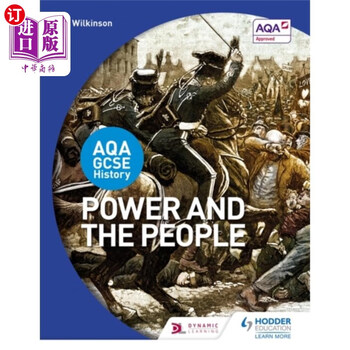
海外直订AQA GCSE History: Power and the People AQA GCSE历史:权力与人民¥359.0📱 去京东购买京东精选


需要一对一辅导?Need One-on-One Tutoring?
A-Level / GCSE / IB / KS2-KS3 全科辅导
16621398022 同微信
Visit aleveler.com
或截图后用「扫一扫 → 相册」选择本图