GCSE化学 有机反应路径图 官能团 烷烃烯烃
有机化学在 GCSE 化学里最像一张地图,而不是一串要背的反应。烷烃、烯烃、醇、羧酸、酯、聚合物,每种分子都有固定的入口和出口。AQA 大纲 8462 把 4.7.2 与 4.7.3 标成 chemistry only,也就是说醇、羧酸和聚合物的反应只在单选化学里考;考综合科学的学生,有机部分停在碳化合物作燃料与原料、以及裂解得到烯烃。下面这张路径图把三份主流大纲的要求连起来:每个官能团朝哪个方向走,用什么试剂,什么条件,生成什么。
GCSE organic chemistry is a map rather than a list of reactions to memorise. AQA specification 8462 marks sections 4.7.2 and 4.7.3 as chemistry only, so alcohols, carboxylic acids and polymers are examined in separate science, while combined science stops at fuels, cracking and alkenes. This article builds one reaction pathway diagram from the three main specifications and labels the reagent and the condition on every arrow.
一、官能团是路径图的坐标
路径图的第一层,是把分子按官能团归位。AQA 大纲 8462 的 4.7.2.2 写得很直接:决定有机化合物反应的,是官能团的共性;OCR 的 J248 在 C6.2i 用了同一句表述。四个官能团要能一眼认出来,C=C 是烯烃,-OH 是醇,-COOH 是羧酸,只有单键且通式为 CnH2n+2 的是烷烃。命名规律也落在官能团上,烷烃结尾 -ane,烯烃 -ene,醇 -ol,羧酸 -oic acid。很多学生以为碳原子数决定反应类型,其实碳链长度主要改的是沸点和黏度,反应由官能团决定。Edexcel 的 9.32C 把这条推理写成考查要求:同一同系物成员的化学反应相似,因此可以用一个成员预测另一个成员的产物。
The first layer of the map is sorting molecules by functional group. AQA specification 8462 states it plainly in 4.7.2.2 and OCR J248 repeats the same idea in C6.2i, where the generality of functional group reactions determines how organic compounds behave. Four groups need to be recognised at a glance: C=C in alkenes, -OH in alcohols, -COOH in carboxylic acids, and single bonds with the formula CnH2n+2 in alkanes. Chain length mainly changes boiling point and viscosity, so the functional group is what decides the chemistry. Edexcel 9.32C turns that reasoning into an examinable skill, asking you to predict the products of one member of a series from another.
二、烷烃:出口只有两个
烷烃是饱和烃,通式 CnH2n+2,碳原子之间只有单键,所以它们的出口很少。完全燃烧生成二氧化碳和水,CH4 + 2O2 -> CO2 + 2H2O,这是天然气发热的主反应。氧气不足时发生不完全燃烧,产物里出现一氧化碳和碳,燃气取暖器要求通风就是因为这个。另一个出口是取代反应,甲烷与氯气在紫外光下反应,氢原子被氯原子逐个替换,同时生成氯化氢。常见的错误是拿烷烃去试溴水,溴水褪色是烯烃的检验方法,烷烃与溴水混合只会分层,橙色的溴留在油层里,水层并不褪色。
Alkanes are saturated hydrocarbons with the general formula CnH2n+2 and single bonds only, so their exits are few. Complete combustion gives carbon dioxide and water, while a limited oxygen supply produces carbon monoxide and soot, which is why gas heaters need ventilation. The other exit is substitution, where methane and chlorine react in ultraviolet light and hydrogen atoms are replaced one at a time. A frequent mistake is testing an alkane with bromine water, because the orange colour only moves into the organic layer and the water layer stays unchanged.
三、裂解:把长链切成短链和烯烃
原油分馏得到的是按沸点排好的混合物,其中长链烷烃的需求量最小,裂解就是把这些长链切短。反应可以写成 C10H22 -> C8H18 + C2H4,条件是高温,或者高温加催化剂,AQA 分别称为热裂解与催化裂解。两个产物各有去处,短链烷烃做汽油,烯烃继续做聚合物和乙醇的原料。错得最多的是把裂解与分馏混为一谈,分馏只按沸点把混合物分开,分子本身没有变化;裂解是化学变化,分子被切成更小的分子。题目问工业上为什么要裂解,答案要落在把过剩的长链变成需求大的短链和烯烃,而不是把混合物分开。
Fractional distillation of crude oil sorts the mixture by boiling point, and cracking exists because long chains are the least wanted fraction. The reaction can be written as C10H22 -> C8H18 + C2H4 and run at high temperature, on its own for thermal cracking or with a catalyst for catalytic cracking. The shorter alkane becomes petrol while the alkene feeds polymer and ethanol production. The commonest confusion is mixing cracking up with distillation, since distillation separates a mixture and leaves the molecules intact, whereas cracking cuts molecules into smaller ones.
四、烯烃加成:一条双键,三类反应
烯烃通式 CnH2n,含一个 C=C 双键,属于不饱和烃,因为同样碳原子数下氢原子比烷烃少两个。加成的定义是双键打开变成单键,加入的分子分成两部分,分别接在原来双键的两个碳上,反应只有一种产物。GCSE 要求三类加成:加氢生成烷烃,镍作催化剂;加卤素生成二卤代物,溴水由橙色变无色,这就是烯烃的检验方法;加水蒸气生成醇,工业条件是磷酸催化、约 300 摄氏度、约 60 个大气压,方程用可逆号表示。OCR 的 C6.2c 要求用官能团的共性预测这些产物。很多学生把两个溴原子画在同一个碳上,阅卷时这一步直接判错。
Alkenes have the general formula CnH2n and one C=C double bond, which makes them unsaturated because they carry two fewer hydrogen atoms than the matching alkane. In an addition reaction the double bond opens into a single bond and the added molecule splits, one part landing on each of the two original carbons, so only one product forms. GCSE requires three additions, namely hydrogen with a nickel catalyst, a halogen such as bromine, and steam at about 300 degrees Celsius and 60 atmospheres with a phosphoric acid catalyst. The bromine water test relies on the halogen addition, turning from orange to colourless.
五、醇的三个出口:脱水、氧化、与钠反应
醇的官能团是 -OH,通式写作 CnH2n+1OH,前四个成员是甲醇、乙醇、丙醇和丁醇。Edexcel 的 9.27C 要求掌握醇脱水生成烯烃,例如乙醇在加热的氧化铝上脱去一分子水得到乙烯,这条箭头把醇拉回烯烃。第二个出口是氧化,乙醇被氧化成乙酸,OCR 的 C6.2c 规定用酸化高锰酸钾(VII),Edexcel 的 9.31C 只要求记住产物而不要求试剂。第三个出口是活泼金属,乙醇与钠反应放出氢气,钠块在试管底部慢慢变小并持续冒泡。醇也能燃烧,乙醇 + 3O2 -> 2CO2 + 3H2O。氧化与燃烧的区别是常考点,燃烧是剧烈放热,氧化只需要加入氧化剂并稍稍温热。
Alcohols carry the -OH functional group and are written CnH2n+1OH, with methanol, ethanol, propanol and butanol as the first four members. Edexcel 9.27C requires dehydration, where ethanol loses a water molecule over heated aluminium oxide to give ethene, an arrow that leads back to the alkene. A second exit is oxidation to ethanoic acid, using acidified potassium manganate(VII) in OCR C6.2c, while Edexcel 9.31C asks only for the product. A third exit is the reaction with sodium, which releases hydrogen and shrinks the sodium steadily at the bottom of the tube.
六、羧酸的酸性:三条产物规律
羧酸的官能团是 -COOH,通式写作 CnH2n+1COOH,溶于水后显酸性,pH 小于 7。三条反应的产物规律与无机酸一致:与碳酸盐反应得到盐、水和二氧化碳,2CH3COOH + Na2CO3 -> 2CH3COONa + H2O + CO2;与活泼金属反应得到盐和氢气;与碱反应得到盐和水。盐的命名统一以 -oate 结尾,甲酸生成甲酸盐,乙酸生成乙酸盐。AQA 的 4.7.2.4 还要求用离子化和 pH 解释羧酸属于弱酸,这是高阶内容,溶液里只有一小部分分子电离出氢离子,所以 pH 比同浓度的盐酸高。这一步最容易错的写法,是把羧酸当成完全电离。
Carboxylic acids contain -COOH and are written CnH2n+1COOH, forming acidic solutions with a pH below 7. Their three reactions follow the product patterns of inorganic acids, so carbonates give a salt, water and carbon dioxide, reactive metals give a salt and hydrogen, and alkalis give a salt and water. Salt names all end in -oate, hence methanoic acid forms a methanoate. AQA 4.7.2.4 asks higher tier candidates to explain the weak acidity in terms of ionisation and pH, because only a small fraction of the molecules release hydrogen ions.
七、酯化:酸与醇的接合点
羧酸与醇在浓硫酸催化下生成酯和水,乙酸与乙醇的反应写成 CH3COOH + C2H5OH -> CH3COOC2H5 + H2O。酯的名字由两部分拼起来,前一部分来自醇,把 -anol 换成 -yl;后一部分来自羧酸,把 -oic acid 换成 -oate。乙醇和乙酸因此得到乙酸乙酯 ethyl ethanoate,这是 AQA 大纲里唯一点名要求记住的酯。反应是可逆的,逆反应是酯的水解,实验室里用浓硫酸既作催化剂又吸水,把平衡推向酯一侧。低级酯有果香,用作食品香料和香水的原料。阅卷时最常见的失分是漏掉产物里的水分子,方程两边的氢和氧就对不平了。
A carboxylic acid and an alcohol form an ester and water when concentrated sulfuric acid is present, written as CH3COOH + C2H5OH -> CH3COOC2H5 + H2O. The name is built in two parts, the alcohol changing -anol to -yl and the acid changing -oic acid to -oate. Ethanol with ethanoic acid therefore gives ethyl ethanoate, the only ester named in the AQA specification. The reaction is reversible because the ester hydrolyses back, so concentrated sulfuric acid acts as catalyst and as a drying agent. The commonest mark lost is the missing water molecule on the product side.
八、加成聚合:重复单元与原单体原子数相同
烯烃的第三个出口是加成聚合,许多小分子连成大分子,单体是烯烃,聚合物如聚乙烯 poly(ethene)。AQA 的 4.7.3.1 给出一句关键要求:加成聚合物的重复单元与原单体含有相同的原子,因为没有其他分子生成。作答时把双键打开,两个碳各接一个相邻单元,重复单元两侧伸出去的连接线不能少。学生最常漏掉重复单元外面的括号和下标 n,或者干脆把单体本身当答案写上去。判断题目要加聚还是缩聚,先看单体有没有 C=C,只有含双键的单体才走加成这条路。
The third exit for alkenes is addition polymerisation, where many small monomers join into one large polymer such as poly(ethene). The key sentence in AQA 4.7.3.1 is that the repeating unit contains the same atoms as the monomer, because no other molecule is formed. When answering, open the double bond, attach each carbon to a neighbouring unit, and keep the bonds that stretch outside the brackets. Students often drop the brackets and the subscript n, or simply copy the monomer as the answer. To decide between addition and condensation, check whether the monomer contains a C=C bond.
九、缩聚与天然聚合物:每接一次掉一分子小分子
缩聚的判据是单体至少要有两个官能团,每连接一次就同时放出一分子小分子,通常是水,聚酯和聚酰胺是两类代表。OCR 的 C6.2e 要求用块状图表示聚合物,并解释单体官能团数目、重复单元数目以及同时生成的小分子。天然聚合物也在考纲里,DNA 由四种核苷酸单体组成,通常两条链缠绕成双螺旋;蛋白质由氨基酸连接;淀粉和纤维素由葡萄糖连接。这三者的共同点是单体之间脱水连接。常见的错误是把 DNA 说成加聚产物,或者把淀粉当成单体来写。
Condensation polymerisation needs monomers with at least two functional groups, and every link formed releases one small molecule, usually water, with polyesters and polyamides as the standard examples. OCR C6.2e asks for block diagrams and an explanation of the functional groups per monomer, the repeating units, and the small molecule released. Natural polymers belong here as well: DNA is built from four nucleotides, proteins from amino acids, and starch or cellulose from glucose. The shared feature is that monomers are joined with the loss of water.
十、一张路径图应该怎么画
画图比背清单省力。把四个官能团排成四块,烷烃放左上,烯烃放中间,醇和羧酸在下方,酯与聚合物放右下角。每条箭头只写三样东西,试剂、条件、产物类型。用颜色区分反应类型,黑色箭头代表加成,蓝色代表氧化,绿色代表脱水,红色代表聚合。裂解和分馏单独画在图外,因为它们不是官能团之间的转化。每条箭头旁边再抄一句真题原句,比如 state the reagent and condition,复习时看到的就是题面语言,而不是自己随手编的说法。
Drawing the map is faster than memorising a list. Place four blocks on the page, with alkanes top left, alkenes in the middle, alcohols and carboxylic acids below them, and esters and polymers bottom right. Every arrow then carries only three labels, namely reagent, condition and product type. Colour can code the reaction type, for instance black for addition, blue for oxidation, green for dehydration and red for polymerisation.
十一、阅卷现场的扣分点
下面几条都来自阅卷时反复出现的失分。最常见的是反应类型写反,把加成写成取代,判断依据其实很直接,加成只有一种产物,取代会同时生成两种。条件也是扣分集中区,加氢要镍催化,加水蒸气要写磷酸催化并带上温度和压强,醇脱水要加热。产物漏写小分子同样常见,酯化漏掉水,缩聚漏掉小分子,方程就不平了。检验方法经常张冠李戴,溴水褪色检验烯烃,酸化的高锰酸钾褪色说明醇被氧化,碳酸盐冒泡说明溶液里有羧酸。很多学生把有果香当成检验羧酸的方法,有果香其实是酯的性质。
These failures come straight from the marking routine. The commonest is naming the wrong reaction type, writing substitution where addition is needed, although the product count settles it because addition gives one product and substitution gives two. Conditions cost marks just as often, since hydrogenation needs nickel, steam hydration needs phosphoric acid with a stated temperature and pressure, and dehydration needs heating. Test results also get swapped around, because bromine water identifies alkenes, acidified potassium manganate(VII) shows an alcohol has been oxidised, and carbonates fizz only with carboxylic acids.
十二、三轮复习与真题用法
分成三轮比一轮刷完更稳。先按官能团默写通式和官能团,四个通式写到不看笔记就能落笔。接着只做箭头题,把每道题的试剂和条件抄到自己的路径图上,抄到第三遍就会发现条件在重复出现。最后合上图,用一张白纸从乙烯出发写出四个可能的产物。三份大纲的侧重点不同,AQA 看重官能团共性推理与弱酸解释,Edexcel 的 Topic 9 用 9.27C、9.31C、9.32C 三条要求把醇、羧酸和同系物预测串起来,Paper 2 覆盖 Topic 1、6、7、8、9,占 50%,时长 1 小时 45 分钟,OCR 的 J248 在 C6.2 把燃烧、双键加成和醇的氧化写成明确的预测要求。按自己考试局的条目核对,比按章节号硬背省时间。
Three passes beat one long cram. Start by writing the four general formulae and functional groups from memory until no notes are needed, then work only on arrow questions and copy every reagent and condition onto your own map, where the repeats become obvious. Finish with the map closed, starting from ethene on blank paper and writing out four possible products. The specifications differ in emphasis, since AQA rewards reasoning about shared functional group behaviour and the weak acid explanation, Edexcel Topic 9 links alcohols, carboxylic acids and series prediction through 9.27C, 9.31C and 9.32C, and OCR J248 states the same predictions in C6.2.
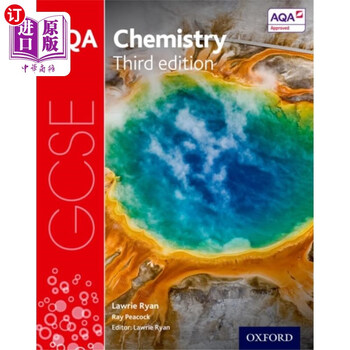
海外直订AQA GCSE Chemistry Student Book AQA GCSE化学学生手册¥588.0📱 去京东购买京东精选
需要一对一辅导?Need One-on-One Tutoring?
A-Level / GCSE / IB / KS2-KS3 全科辅导
16621398022 同微信
Visit aleveler.com
或截图后用「扫一扫 → 相册」选择本图