IGCSE英语 听力备考 高频难点 突破方法
IGCSE英语听力是很多同学的失分重灾区:明明单词都认识,录音一放就听不懂;选项里两个信息都出现了,到底选哪个?本文按剑桥CAIE英语作为第二语言(English as a Second Language,0510/0511)听力卷的常见题型,逐一拆解六大高频难点,并给出对应的突破训练方法,帮你把听力从短板变成提分项。
考试结构与听力题型 Listening Exam Format
IGCSE英语听力主要出现在剑桥CAIE英语作为第二语言(0510/0511)中,爱德思ESL(4ES1)也有独立的听力卷。以0510为例,听力卷时长约40分钟、满分40分,约占总成绩的20%。题型非常固定:选择题(multiple choice)、笔记填空(note completion)、表格填空(table completion)、信息匹配(matching)和简短回答(short answer)。听力材料覆盖日常对话、电话留言、广播节目、学校通知等场景,语速接近母语者的正常语速,且只播放一遍。
IGCSE English listening appears mainly in Cambridge English as a Second Language (0510/0511), and Edexcel ESL (4ES1) also has a separate listening paper. In 0510, the listening paper lasts about 40 minutes and is worth 40 marks, roughly 20 per cent of the total grade. Question types are fixed: multiple choice, note completion, table completion, matching and short answer. Materials cover everyday conversations, phone messages, radio programmes and school announcements, delivered at near-native speed and played only once.
难点一:干扰项陷阱 Distractor Traps
选择题最大的坑是干扰项。录音里说话人常常先说出一个看似正确的信息,再用but、however、actually、unfortunately等词转折,给出真正的答案。比如题目问下周几点集合,录音先说nine o'clock,紧接着补一句Oh no, sorry, it has been changed to half past nine,只听到前半句的同学就会选错。突破要点:一听到转折词立刻警觉,答案通常在后半句;如果选项中两个信息都被提到,要判断哪个是最终决定,而不是第一次听到的那个。
The biggest trap in multiple choice is the distractor. Speakers often state a plausible piece of information first, then correct it with words like but, however, actually or unfortunately. For example, the question asks when the group will meet next week; the recording first says nine o'clock, then adds "Oh no, sorry, it has been changed to half past nine." Candidates who only hear the first part choose wrongly. The key is to stay alert the moment a contrast word appears, because the real answer usually follows it. When two options are both mentioned, work out which one is the final decision rather than the first thing you hear.
难点二:数字、时间与价格 Numbers, Times and Prices
数字题考察对具体信息的抓取:时间(quarter past、half past)、日期(the third of May)、价格(£12.50)、电话号码(double four)、百分数(15 per cent)等。最容易错的是teen和ty的混淆:thirteen和thirty、fifteen和fifty发音相近,必须靠重音位置和结尾音区分。价格题常有折扣和找零的附加信息,比如原价20英镑、打八折,就要按题目要求填折后价。听数字时养成随手记草稿的习惯,先写下来,最后再核对一遍。
Number questions test precise details: times (quarter past, half past), dates (the third of May), prices (£12.50), phone numbers (double four) and percentages (15 per cent). The classic error is confusing -teen and -ty endings: thirteen and thirty, fifteen and fifty sound similar, so you must rely on stress and the final consonant. Price items often carry extra information such as discounts, so if something costs £20 with 20 per cent off, fill in the discounted figure the question asks for. Always jot numbers down immediately instead of holding them in your head.
难点三:人名地名拼写 Spelling of Names and Places
笔记填空和表格填空经常要求拼写人名、地名、街道名。录音会把字母一个一个拼出来,比如M-U-R-R-A-Y。常见失分点有四类:双写字母(Collins有两个l)、易混字母(B和V、M和N)、不发音字母,以及录音已经在拼写但考生没听清字母名称。突破策略:一听到spelt或者that's spelled就进入听写模式,其他内容全部放掉,专注字母;平时多听字母表的发音(A读作ei,R读作ar);实在没听清就先按发音写下来,回头再根据上下文猜。
Note and table completion often require spelling names, places and streets. The recording spells the word out letter by letter, for example M-U-R-R-A-Y. Lost marks typically come from four things: double letters (Collins has two l's), easily confused letters (B and V, M and N), silent letters, and failing to catch letters as they are dictated. The moment you hear "spelt" or "that's spelled", switch into dictation mode, drop everything else and focus only on the letters. Practise alphabet sounds regularly (A sounds like ei, R like ar), and if you miss a letter, write what you heard phonetically and come back to it.
难点四:口音与连读 Accents and Connected Speech
IGCSE听力使用多种英语口音,以英音为主,也包含澳大利亚、新西兰等口音。材料按自然语速朗读,充满连读(connected speech)和弱读(weak forms):want to会读成wanna,going to会读成gonna,isn't it会压缩成isn'it。很多同学单词都认识,但听不出来,就是因为不熟悉这些语音变化。突破方法:精听时一句一句暂停模仿,在原文上标注连读和弱读的位置;熟悉英音元音的特点,比如bath里的a发长音;平时多听BBC Learning English和英国广播节目,让耳朵习惯真实语速。
IGCSE listening uses a range of accents, mainly British but also Australian and New Zealand. Materials are delivered at natural speed, full of connected speech and weak forms: want to becomes wanna, going to becomes gonna, and isn't it is reduced to isn'it. Many candidates recognise every word on the page yet cannot catch it in audio, simply because these sound changes are unfamiliar. Breakthrough: pause line by line during intensive listening, imitate aloud, and mark where linking and reductions occur. Get used to British vowel sounds, such as the long a in bath, and feed your ears with BBC Learning English and British radio programmes every day.
难点五:推断与态度题 Inference and Attitude Questions
推断题不直接给答案,需要从语气、用词和上下文判断说话人的态度或言外之意。常见问法:What does the man imply?、How does the speaker feel about the plan?。比如说话人用犹豫的语气说I suppose it is a possibility,其实暗示他并不太赞同。突破要点:关注语气词(well、actually、to be honest)、副词(really、hardly、certainly)和情态动词(might、could)传递的态度;听到表示抱怨或赞赏的形容词,立刻判断正负方向;选项中极端化的表述(always、never)往往是错的。
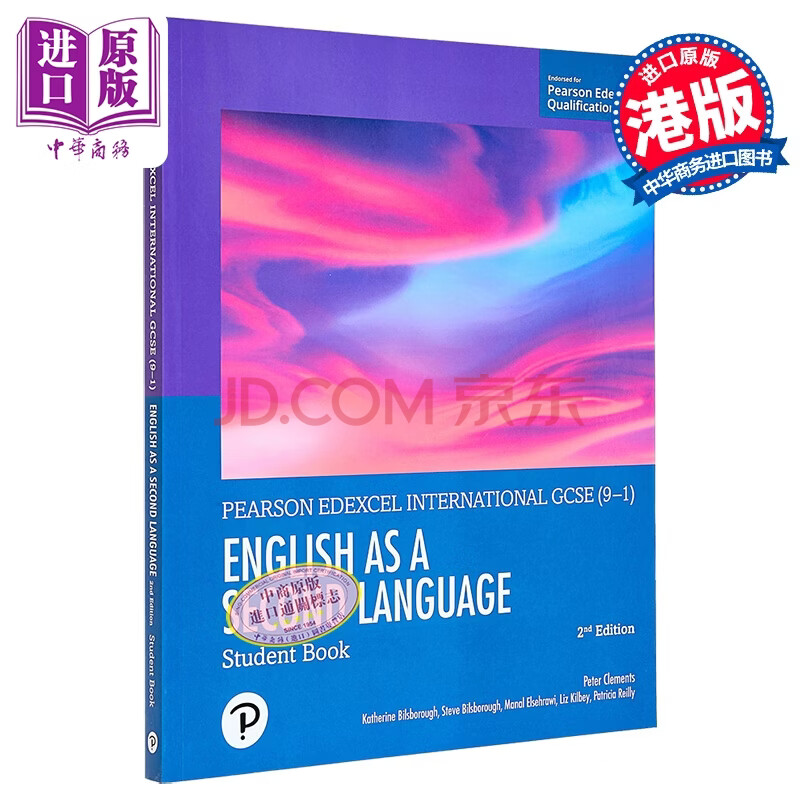
Inference questions never give the answer directly; you must judge attitude or implied meaning from tone, wording and context. Typical stems are "What does the man imply?" or "How does the speaker feel about the plan?" If a speaker says "I suppose it is a possibility" in a hesitant tone, the implication is mild disagreement. Key moves: listen for attitude markers such as well, actually and to be honest, adverbs like really, hardly and certainly, and modals like might and could. When you hear adjectives of complaint or praise, decide the positive or negative direction at once, and remember that extreme options (always, never) are usually wrong.
难点六:笔记填空节奏 Note Completion Rhythm
笔记填空要求边听边写,很多同学因为前一个空没写完,白白错过后面两三个空。规则有三条:第一,严格按字数限制写(如NO MORE THAN TWO WORDS),但不要写完整句子;第二,听到答案先写关键词,拼写哪怕不对也要先记下来,回头再整理;第三,错过一个空立刻放弃,眼睛盯住下一个空,不要纠结。每个空之间通常有停顿,用停顿时间检查前面的答案。录音只放一遍,所有空都有机会听到,前提是你始终跟着录音往前走。
Note completion demands writing while listening, and many candidates miss two or three blanks because they are still finishing the previous one. Follow three rules. First, respect the word limit (for example NO MORE THAN TWO WORDS) but never write full sentences. Second, scribble the key word the moment you hear an answer, even if the spelling is rough, and tidy it up later. Third, if you miss one blank, abandon it at once and lock onto the next one. There is usually a pause between blanks, so use it to check earlier answers. The recording plays once only, and every blank can be caught if you keep moving with the audio.
突破方法一:听前预测 Pre-listening Prediction
听力播放前有30到60秒读题时间,这是全卷性价比最高的60秒。做法分三步:第一步,快速浏览每道题,判断答案类型,是数字、人名、动词原形还是形容词;第二步,用问题中的关键词预测场景,比如题目出现library、return、fine,就知道是图书馆还书场景,答案大概率是日期和罚款金额;第三步,带着预测去听,听到相关信息立刻识别。平时做练习也严格按这个流程走,把预测变成固定习惯,考试时才不会慌。
Before the recording starts, candidates get 30 to 60 seconds to read the questions, and this is the highest-return minute in the whole paper. First, skim each item and decide the answer type: a number, a name, a base verb or an adjective. Second, use keywords in the questions to predict the scene; if you see library, return and fine, you know it is about returning books, so the answers are probably a date and a fine amount. Third, listen actively and spot the predicted information. Practise this exact routine every time so it becomes automatic, and you will not panic on exam day.
突破方法二:信号词与同义改写 Signposting Words and Paraphrase
题目几乎从不照搬录音原话,而是用同义改写(paraphrase)。题目写cheap,录音说not expensive;题目写cancel the booking,录音说call off the reservation。同时,录音里有明显的信号词提示答案位置:first of all、next、then、finally表示顺序,on the other hand表示对比,in addition表示补充,to sum up表示总结。训练方法:每做完一套题,把题目和听力原文对照着看,积累同一意思的不同表达,建立自己的同义改写本,考前翻一遍比刷十套题还有用。
Questions almost never copy the audio word for word; they paraphrase. The question says cheap while the recording says not expensive; the question says cancel the booking while the audio says call off the reservation. Meanwhile, clear signposting words mark where answers appear: first of all, next, then and finally show sequence, on the other hand signals contrast, in addition introduces extra points, and to sum up wraps everything up. After every exercise, compare the questions with the transcript and build your own collection of paraphrases, one idea expressed in many ways. Reviewing this notebook before the exam beats doing ten extra papers.
突破方法三:精听、泛听与真题规划 Intensive Listening, Extensive Listening and Past Papers
听力提分靠三种练习配合。精听:每周3到4次,每次15分钟,选用真题听力材料,一句一句暂停、复述、对照原文,直到每个词都听清为止。泛听:每天20分钟,BBC Learning English、6 Minute English、英剧都可以,目标是习惯自然语速和不同口音,不要求每个词都懂。真题:考前8周开始,每周完整做一套CAIE 0510听力真题,严格按考试时间限时,做完再精读文本。建议固定每天同一时间段练习,坚持4到6周,正确率会有肉眼可见的提升。
Listening improves through three kinds of practice working together. Intensive: three or four times a week, fifteen minutes each, using past-paper audio, pausing sentence by sentence, repeating aloud and checking against the transcript until every word is clear. Extensive: twenty minutes daily with BBC Learning English, 6 Minute English or British drama, aiming to get used to natural speed and varied accents without needing to understand everything. Past papers: from eight weeks before the exam, complete one full CAIE 0510 listening paper each week under timed conditions, then study the transcript closely. Fix a daily slot and stick to it; four to six weeks of consistent work will lift your accuracy noticeably.
考场技巧与高频失误 Exam-day Tips and Common Mistakes
考场上记住五件事:第一,每段录音开始前都读题,不要发呆;第二,选择题边听边排除明显错误的选项;第三,数字和人名随手记在试卷上,不要靠记忆;第四,所有空格都要填,留白一定零分,写出合理猜测还有得分机会;第五,利用每段录音结束后的停顿检查已填内容。高频失误包括:不看字数限制多写词、把干扰项当成答案、拼写错误、以及停下来回想一个空导致连锁漏听。考前一周每天保持一套听力的手感,比临时抱佛脚有效得多。
Remember five things on exam day. First, read every question before its audio segment; never daydream. Second, in multiple choice, cross out clearly wrong options as you listen. Third, jot numbers and names on the paper immediately instead of trusting your memory. Fourth, leave no blank empty; a blank scores nothing, while a sensible guess may pick up a mark. Fifth, use the pause after each segment to check what you have written. Frequent mistakes are exceeding the word limit, taking distractors as answers, spelling errors, and pausing to recall one answer while losing the next two. In the final week, one full listening set a day keeps your ear sharp far better than last-minute cramming.
需要IGCSE英语一对一辅导?
剑桥CAIE / 爱德思Edexcel全考局覆盖,中英双语教学,听力专项训练
16621398022
同微信 | 免费咨询课程规划
访问 aleveler.com 了解更多

或截图后用「扫一扫 → 相册」选择本图