IGCSE Edexcel 科学全科备考指南
IGCSE Edexcel 科学课程(Pearson Edexcel International GCSE Science)涵盖生物、化学、物理三大自然科学。选择双奖课程(Double Award)的学生只需参加六场考试,即可获得两门IGCSE成绩,而分科选修则分别获得生物、化学、物理三门独立成绩。对于尚未确定未来专业方向的学生,科学课程不仅为A-Level生物、化学、物理打下基础,也锻炼实验设计、数据分析与逻辑推理能力,是国际学校理科学习的主干课程。无论目标是9分满分还是稳拿7分,清晰的规划都是第一步。
The Pearson Edexcel International GCSE Science course covers three natural sciences: biology, chemistry and physics. Students who choose the Double Award sit six papers and receive two IGCSE qualifications, while those taking the separate sciences gain three independent grades in biology, chemistry and physics. For students who have not yet fixed their future specialism, the science course does more than lay foundations for A-Level biology, chemistry and physics. It also trains experimental design, data analysis and logical reasoning, making it the backbone of science learning in international schools. Whether your target is a full 9 or a secure 7, a clear plan is always the first step.
一、课程结构:Double Award 与分科科学
Edexcel国际IGCSE科学采用9-1评分体系,与英国本土GCSE一致。Double Award(代码4SD0)覆盖三门学科的核心与拓展内容,六张试卷合并为两个9-1成绩;分科科学(4BI1生物、4CH1化学、4PH1物理)每门学科两场考试,各得一个独立成绩。两者的知识点范围基本一致,但分科课程对每门学科的内容深度要求更高,适合确定专攻理科方向的学生。
The Edexcel International GCSE uses the 9-1 grading scale, matching the UK domestic GCSE. The Double Award (code 4SD0) covers the core and extension content of all three subjects, with six papers combined into two 9-1 grades, while the separate sciences (4BI1 biology, 4CH1 chemistry, 4PH1 physics) award an independent grade for each subject from two papers each. The knowledge range of the two routes is broadly the same, but the separate courses demand greater depth in each subject, making them suitable for students who have already committed to a science-focused path.
二、考试形式与评分权重
无论选择哪条路线,考试都全部采用笔试,没有课程作业(coursework)计分。Double Award考生共参加六场考试,每门学科两场:Paper 1考查核心内容,Paper 2在核心基础上加入拓展知识,是拉开高分段的关键。题型覆盖选择题、短答题、计算题与实验设计题,其中计算题与解释题占分比例高。每场考试时长约两小时,物理与化学试卷允许使用计算器,考前要熟悉试卷版式与答题卡填写要求,并确认每张试卷的题目数量以便分配时间。考前务必核对报考科目代码与试卷时间安排,避免复习错版本。
Whichever route you choose, all assessment is by written examination, with no coursework contributing to the grade. Double Award candidates sit six papers, two per subject: Paper 1 tests the core content, while Paper 2 adds extension knowledge on top of the core and is the key to separating the top grades. Question types range from multiple choice and short answers to calculations and experimental design, with calculation and explanation questions carrying a high proportion of the marks. Each paper lasts about two hours, calculators are permitted in the physics and chemistry papers, and it helps to familiarise yourself with the paper layout and answer-sheet format before the day, noting the number of questions on each paper so you can budget your time. Before the exam season, always check your subject codes and the paper timetable so that you revise against the correct specification.
三、生物核心考点梳理
IGCSE生物的核心主线是细胞、物质运输与生命活动。重点掌握:细胞结构与细胞器功能,扩散、渗透与主动运输的区别;酶的锁钥模型与影响因素(温度、pH);光合作用与呼吸作用的过程和方程式;人体循环、消化、呼吸系统;遗传学中孟德尔定律与Punnett方格计算;生态系统的食物链与能量流动。生物答题强调使用规范术语,例如用osmosis而非日常说法描述水分移动。例如Punnett方格题,先写亲本基因型,再逐格填写配子组合,最后按比例写出子代基因型与表型,这类按步骤作答的题目最容易拿满分。
The central threads of IGCSE biology are cells, transport and life processes. Prioritise: cell structure and organelle functions, and the difference between diffusion, osmosis and active transport; the lock-and-key model of enzymes and the factors affecting them, namely temperature and pH; the processes and equations of photosynthesis and respiration; the human circulatory, digestive and respiratory systems; Mendel's laws and Punnett square calculations in genetics; and food chains and energy flow in ecosystems. Biology answers demand precise terminology, such as writing "osmosis" rather than an everyday description of water movement. In a Punnett square question, for example, write the parental genotypes first, fill each cell with the gamete combinations, then state the offspring genotype and phenotype ratios; questions answered step by step in this way are the easiest to score full marks on.
四、化学核心考点梳理
IGCSE化学的核心是原子结构与物质变化。务必掌握:原子结构与元素周期表规律;离子键、共价键与金属键的区别;摩尔计算、化学方程式配平与反应质量计算;酸碱盐与中和反应;反应速率的影响因素与可逆反应;电解法及其产物判断;金属活动性顺序;烷烃与烯烃等有机化学入门。化学计算题必须写出完整步骤与单位,配平方程式要记得写状态符号。
The core of IGCSE chemistry is atomic structure and chemical change. Master: atomic structure and the patterns of the periodic table; the difference between ionic, covalent and metallic bonding; mole calculations, balancing equations and reacting-mass calculations; acids, bases, salts and neutralisation; the factors affecting reaction rate and reversible reactions; electrolysis and predicting its products; the reactivity series of metals; and introductory organic chemistry such as alkanes and alkenes. In calculation questions, always write out full working with units, and remember state symbols in balanced equations.
五、物理核心考点梳理
IGCSE物理强调概念理解与公式应用并重。核心内容包括:力与运动(速度、加速度、牛顿定律)、能量与功率、波的特性与电磁波谱、电路与欧姆定律、磁与电磁感应、放射性衰变与半衰期。物理题目的失分常出在单位换算与公式变形,例如把km/h换算成m/s,或从v = u + at反解时间t。例如计算动能时,先把质量换算成kg、速度换算成m/s,再代入E = 1/2 mv^2,两步单位换算能避免大部分计算失分。建议建立公式卡片,注明每个符号的物理意义与单位。
IGCSE physics balances conceptual understanding with formula application. Core topics include: forces and motion, covering speed, acceleration and Newton's laws; energy and power; wave properties and the electromagnetic spectrum; circuits and Ohm's law; magnetism and electromagnetic induction; and radioactive decay with half-life. Marks are often lost on unit conversion and rearranging formulas, such as converting km/h to m/s or solving for time t from v = u + at. For kinetic energy, for instance, convert mass to kg and speed to m/s before substituting into E = 1/2 mv^2; these two unit conversions prevent most calculation errors. Build a formula card that records the physical meaning and unit of every symbol.
六、实验技能与核心实操
Edexcel IGCSE科学设有核心实操清单(Core Practicals),虽然不计入考试成绩,但考卷会以文字形式考查实验设计与分析能力。高频题型包括:判断自变量、因变量与控制变量;描述实验步骤并说明如何提高准确性;识别异常值并解释误差来源;分析图表趋势并得出结论。备考时要亲手做一遍关键实验,例如酶活性测定、酸碱滴定、伏安法测电阻,理解每一步设计的原因。
Edexcel IGCSE science includes a list of Core Practicals which are not assessed directly, yet the written papers test experimental design and analysis in prose form. Frequent question types include: identifying the independent, dependent and control variables; describing a procedure and explaining how to improve accuracy; spotting anomalous results and explaining sources of error; and analysing graph trends to draw conclusions. While revising, physically repeat the key experiments, such as enzyme activity assays, acid-base titrations and measuring resistance by the voltmeter-ammeter method, and understand the reason behind every design choice.
七、数学技能与数据处理
科学试卷中的数学技能约占10%-20%的分值,包括:有效数字与四舍五入、单位换算、百分比与比例、平均值计算、作图与读图、标准形式表示法、以及公式变形。计算反应速率时常用1除以时间(1/t),画图时要注意坐标轴标注与单位,连线时要判断是否过原点。建议每周固定练习一组计算题,把失误率降下来。
Mathematics skills carry roughly 10 to 20 percent of the marks in science papers, covering: significant figures and rounding, unit conversion, percentages and ratios, calculating means, plotting and reading graphs, standard form, and rearranging equations. Reaction rate is often calculated as 1 divided by time (1/t), and when plotting graphs remember to label axes with units and decide whether the line should pass through the origin. Set aside a fixed weekly slot for calculation practice so that careless errors become rare.
八、科学术语与答题语言
阅卷时,考官按要点给分,能否用科学术语精准表达直接影响得分。要熟悉指令词的含义:describe要求描述事实,explain要求说明原因,compare要求对比异同,evaluate要求结合证据评价,suggest允许合理推测。写解释题时采用因果链写法,例如"温度升高使酶变性,因此反应速率下降",比笼统回答得分稳定得多。
Examiners award marks against points, so expressing yourself precisely in scientific terms directly affects your score. Learn the meaning of command words: describe asks for facts, explain asks for reasons, compare asks for similarities and differences, evaluate asks for a judgement supported by evidence, and suggest allows a reasoned guess. When answering explanation questions, use a causal chain, such as "the higher temperature denatures the enzyme, so the reaction rate falls", which scores far more reliably than a vague general answer.
九、备考时间规划
建议考试前六至九个月启动系统复习。第一阶段按学科分章节过知识点,每学完一章完成对应练习题并整理错题;第二阶段按试卷模块做真题,限时训练并对照评分标准(mark scheme)自查;第三阶段主攻薄弱环节,重做错题并模拟整卷考试。每周留出固定时间回顾前一周内容,利用间隔重复对抗遗忘曲线,比考前突击更有效。例如周六上午固定做一套生物真题并批改,周日下午专门复习化学计算,节奏稳定比单次长时间学习更有效。
Start systematic revision six to nine months before the exams. In the first phase, work through the specification chapter by chapter, completing the associated exercises and building an error log after each topic. In the second phase, practise real past papers by module under timed conditions and self-mark against the mark scheme. In the third phase, attack your weak areas, redo the mistakes and simulate full papers. Reserve a fixed weekly slot to review the previous week's content; spaced repetition beats cramming because it works against the forgetting curve. For example, set Saturday mornings aside for one full biology paper with marking, and Sunday afternoons for chemistry calculations; a steady rhythm beats occasional marathon sessions.
十、常见失分点与应试技巧
最常见的失分原因包括:不读题目限定词,例如题目要求"use ideas about particles"却答了宏观现象;计算题漏写单位或步骤;混淆质量与重量、细胞与组织等相近概念;解释题使用生活化语言而非科学术语。应试时先快速浏览全卷,按分值和难度分配时间,宁可先答完所有题再回来补充细节,也不要在一道难题上耗尽时间。读题时圈出指令词和分值,用分值决定答案长度。
The most common reasons for losing marks include: ignoring the limiting words in a question, such as answering about macroscopic behaviour when the question asks you to "use ideas about particles"; omitting units or working in calculations; confusing similar concepts such as mass and weight or cell and tissue; and explaining in everyday language instead of scientific terms. In the exam, skim the whole paper first, allocate time by mark value and difficulty, and finish every question before returning to add detail rather than exhausting time on one hard item. Circle the command words and mark values as you read, and let the marks decide the length of your answer.
十一、学习资源推荐
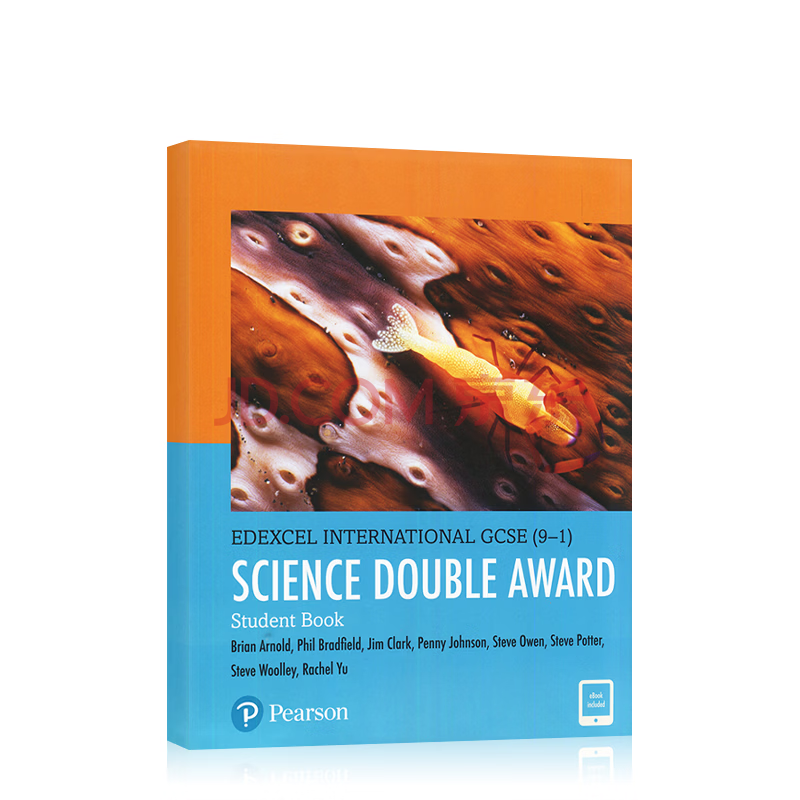
备考资源按优先级排序:官方考纲(specification)列明全部考点,是复习清单的底本;真题与评分标准是最高效的练习材料,建议至少完成近五年的试卷;Pearson官方学生用书结构清晰,配套习题难度贴近考试。此外,aleveler.com 提供历年真题分类与考纲解析,可作为查漏补缺的资料库。资源不在多,把一套真题吃透胜过草草刷完十套。
Rank your revision resources by priority. The official specification lists every learning objective and serves as the master checklist. Past papers with mark schemes are the most efficient practice material, so complete at least the last five years of papers. The Pearson student books are clearly structured with exercises close to exam difficulty. In addition, aleveler.com offers classified past papers and specification analysis that can serve as a resource library for filling gaps. Quality beats quantity: mastering one set of papers thoroughly outperforms rushing through ten.
需要IGCSE科学一对一辅导?
16621398022 同微信
免费咨询课程规划 | 访问 aleveler.com 了解更多
更多咨询请联系16621398022(同微信)

或截图后用「扫一扫 → 相册」选择本图