GCSE Edexcel Biology 高分5大秘诀
5 Secrets to Top Scores in GCSE Edexcel Biology
GCSE Edexcel Biology 涵盖从细胞结构到生态系统的广泛知识,想在考试中脱颖而出,光靠死记硬背远远不够。以下是经过高分学长验证的5大核心策略,帮你系统提分。
GCSE Edexcel Biology covers everything from cell structure to ecosystems. Scoring top marks requires more than just memorisation. Here are 5 battle-tested strategies from high-achieving students to boost your grade systematically.
🔑 1. 掌握"命令词"——题目到底要你做什么?
1. Master the Command Words — What Is the Question Really Asking?
Edexcel 考题中,"describe"、"explain"、"evaluate" 有完全不同含义。"Describe" 只需陈述看到的内容,"Explain" 要求给出原因和机制,"Evaluate" 则需要正反两面分析后给出结论。很多同学丢分不是因为不懂知识,而是答非所问。建议把所有真题按命令词分类练习,建立题型条件反射。
In Edexcel exams, "describe", "explain", and "evaluate" mean completely different things. "Describe" asks you to state what you see. "Explain" demands reasons and mechanisms. "Evaluate" requires weighing both sides before reaching a conclusion. Many students lose marks not because they don't know the content, but because they answer the wrong question. Sort all past papers by command word type and build automatic pattern recognition.
🧬 2. 构建"流程图式"知识网络
2. Build Flowchart-Style Knowledge Webs
生物学知识点高度关联。以"光合作用"为例:它连接了叶绿体结构(细胞生物学)→ 酶活性温度影响(生物化学)→ 全球碳循环(生态学)。建议用 A3 纸画出核心概念间的箭头关系,每复习一个主题,就在图上添加连线。考试时,这种网状思维能让你在综合分析题中快速串联知识点。
Biology concepts are deeply interconnected. Take photosynthesis: it links chloroplast structure (cell biology) → enzyme activity and temperature (biochemistry) → global carbon cycle (ecology). Draw relationship maps on A3 paper with arrows connecting core concepts. Every time you revise a topic, add new connections to the map. This web thinking helps you chain ideas together rapidly in synoptic analysis questions.
📊 3. 数据分析题——"三段式"答题法
3. Data Analysis Questions — The Three-Part Answer Method
Edexcel 考试中,图表数据分析题往往占卷面 20% 以上。高效答题只需三步:① 描述趋势("从 X 到 Y 增加了…")、② 引用数据(具体的数字或百分比)、③ 科学解释(用生物原理说明为什么)。每步一句话,6分题稳稳拿满。切记:不要只说"上升"而不给数值——这是最常见的扣分点。
Graph-based data analysis questions often account for over 20% of Edexcel papers. A crisp three-step formula guarantees full marks: ① State the trend ("from X to Y, it increased by…"), ② Quote the data (specific numbers or percentages), ③ Give a scientific explanation (use biology principles to explain why). One sentence per step, and those 6-mark questions are yours. Never just say "it went up" without quoting values — that's the most common mark-dropper.
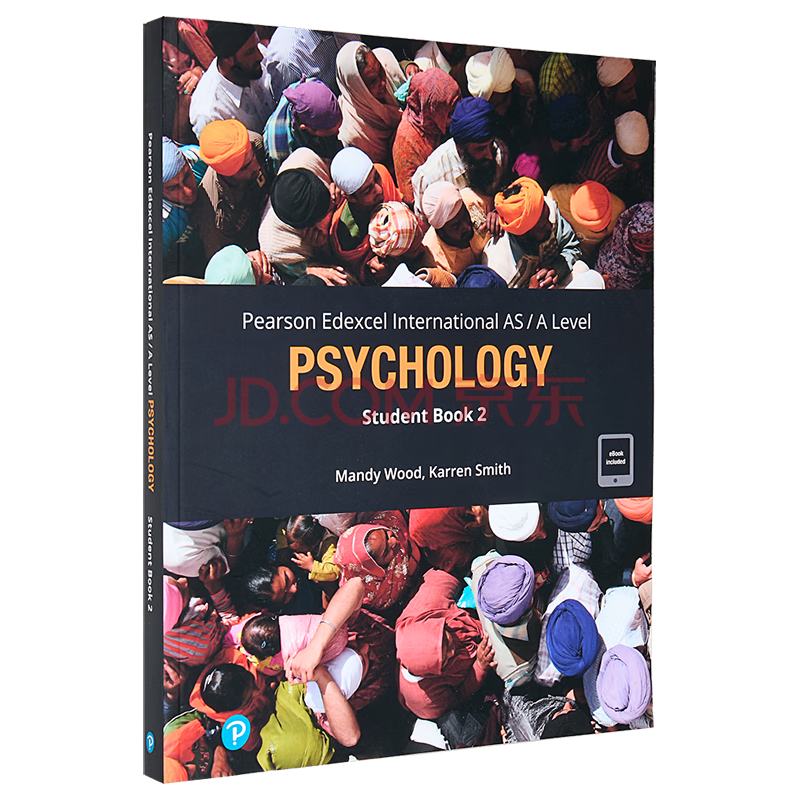
🧪 4. 核心实验(Core Practicals)——必须滚瓜烂熟
4. Core Practicals — Know Them Inside Out
Edexcel 规定了 18 个核心实验(如渗透作用、酶活性、光合作用速率等),每年必考至少 2-3 个。不仅要记住步骤,更要能精确写出:自变量/因变量/控制变量、仪器名称、安全注意事项、以及可能误差来源。建议为每个核心实验制作一张 flashcard,正反面分别写步骤和考察要点。
Edexcel specifies 18 core practicals (osmosis, enzyme activity, photosynthesis rate, etc.), and 2–3 appear every single year. You need more than just the steps — nail down: independent/dependent/control variables, apparatus names, safety precautions, and possible sources of error. Make one flashcard per core practical: steps on the front, assessment points on the back.
📝 5. 6分长答题——像考官一样思考
5. Six-Mark Extended Responses — Think Like an Examiner
每份试卷最后必有一道 6 分开放题。高分的秘密:先花 30 秒列提纲(至少 3 个要点),再写段落。考官按"标记点"给分——你的目标是让每个科学要点都清晰独立,而不是混成一段。写完检查:是否每个标记点都对应一个具体生物学概念?多用一个专业术语(如 "active site"、"diffusion gradient"),可能就是 A* 和 A 的区别。
Every paper ends with a 6-mark open-ended question. The secret: spend 30 seconds outlining at least 3 distinct points before you write. Examiners use a "points-based" mark scheme — your goal is to make each scientific point clear and separate, never blended into one paragraph. After writing, check: does every mark-worthy point map to a specific biology concept? One extra technical term ("active site", "diffusion gradient") can be the difference between an A* and an A.
🎯 学习计划建议
Study Plan Recommendation
距离考试还有时间?推荐 3-2-1 复习节奏:每周 3 天精讲核心概念 + 2 天刷真题 + 1 天专项突破薄弱章节。坚持 4 周,你会看到质的变化。遇到不会的题目不要跳过——把它记入 "错题本",标注错误类型(知识点遗忘/理解偏差/审题失误),每周回顾一次。
Still have time before the exam? Try the 3-2-1 revision rhythm: 3 days of deep concept study + 2 days of past paper practice + 1 day targeting your weakest chapters. Stick with it for 4 weeks and you'll see a qualitative leap. Don't skip questions you get wrong — log them in an "error journal" with the mistake type (forgotten knowledge / conceptual misunderstanding / misreading the question), and review it once a week.
🎓 需要一对一辅导?
16621398022 同微信
Contact: 16621398022 (WeChat)
📚 更多 GCSE 学习资源 → GCSE Sciences 专区
📚 More GCSE Resources → GCSE Sciences Hub
更多咨询请联系16621398022(同微信)

或截图后用「扫一扫 → 相册」选择本图